Non-Obvious™ Trends
For ten years (2011–2020), the Non-Obvious Trends series curated the underappreciated ideas shaping business and culture. It won more than 20 awards, reached more than a million readers, and ended exactly as planned: with ten megatrends built to last a decade.
Trends curated across a decade of annual reports, each with its own commissioned icon. Browse the full collection →
The Story Of The Series
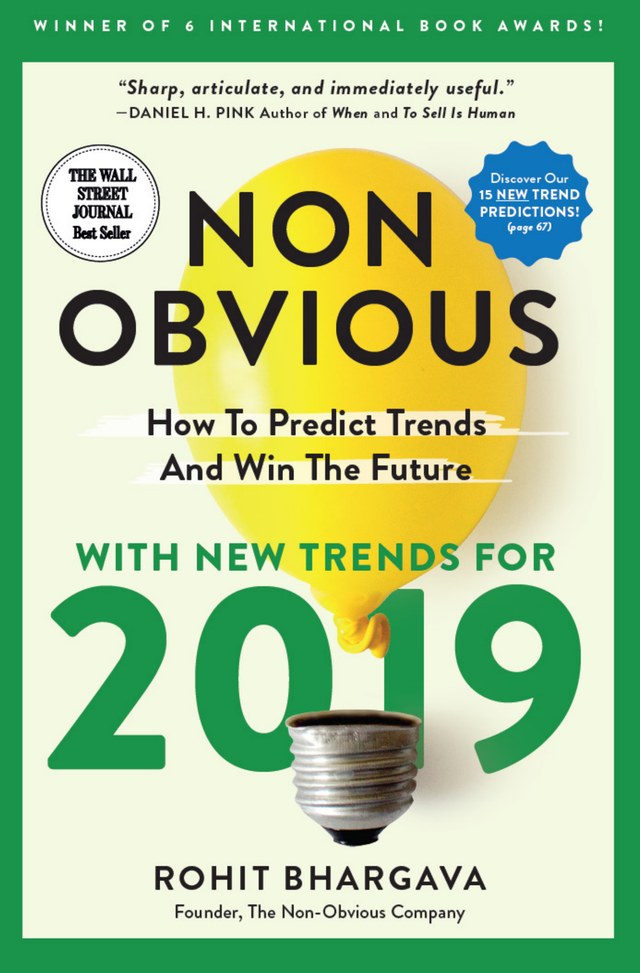
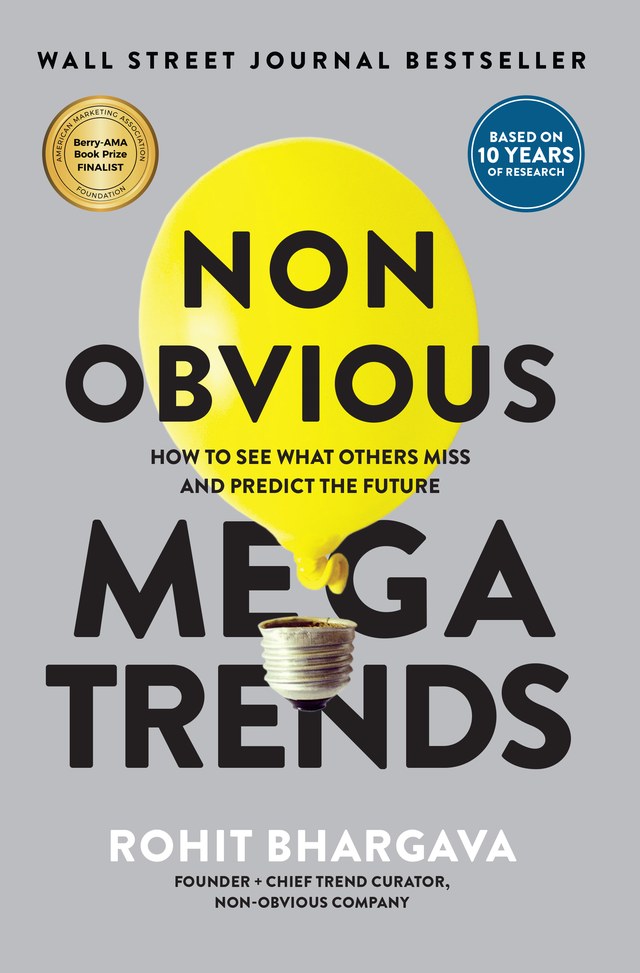
Every annual edition of the Non-Obvious Trend Report, from a free presentation shared 200,000 times to the Wall Street Journal bestselling finale. Every report from 2011 to 2019 is now available as a free download. For Non-Obvious Megatrends, download a free excerpt or buy the book.

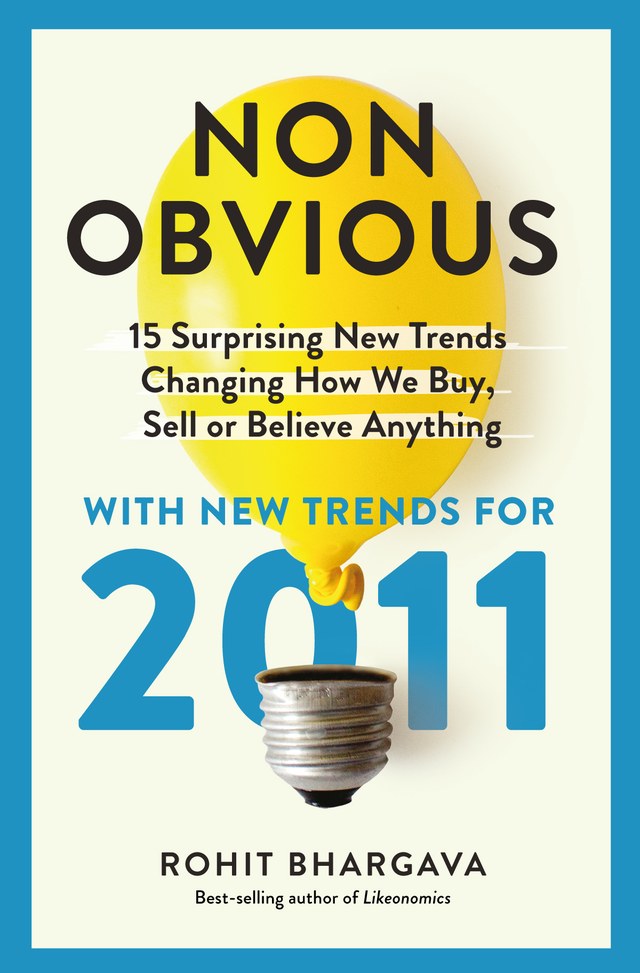
Inspired by a viral blog post, this first edition of the Trend Report (published as a PDF ebook) first introduced the idea of “Likeonomics” – which Rohit later developed into the concept for his second full length book. Aside from this idea, the report was one of the first to predict the rise in importance of content curation. The report also explored the rapid growth of real time customer service through social media and many other marketing trends.

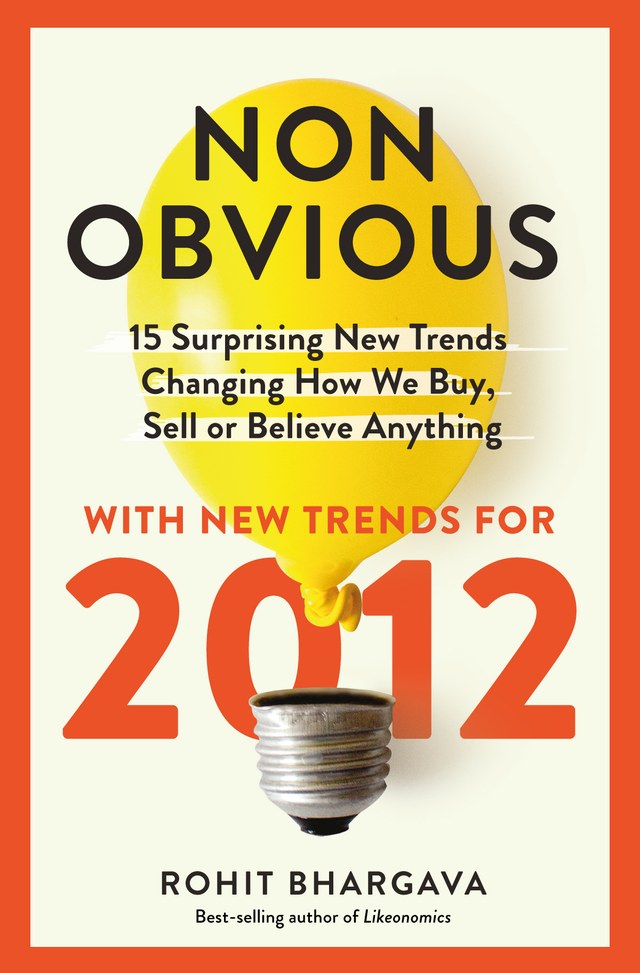
This second year of the Trend Report (only published digitally) featured a broader look at business beyond marketing and brought together the worlds of corporate marketing, charitable causes, the marketing of death and more. This report was one of the first to explore the potential of big data on multiple sectors. On the culture side, the report tackled the sensitive yet emerging field of the “digital afterlife” of loved ones who have passed on, as well as the rising sense of “social loneliness” affecting many people.

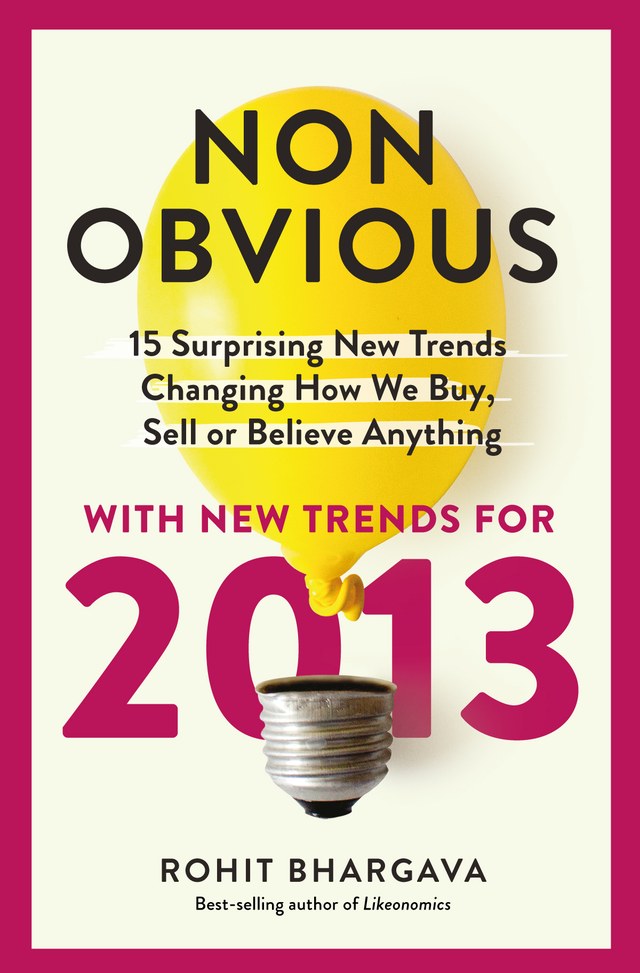
The third year of the trend report was also the first time Rohit simultaneously expanded the trends into a self-published ebook that quickly became a #1 bestselling book in the Marketing category for nearly three months. Altogether, this edition was viewed or downloaded more than 250,000 times. Trends in this year’s edition covered the future of print publishing, authenticity in the banking sector, and the evolution of hyper-local commerce.

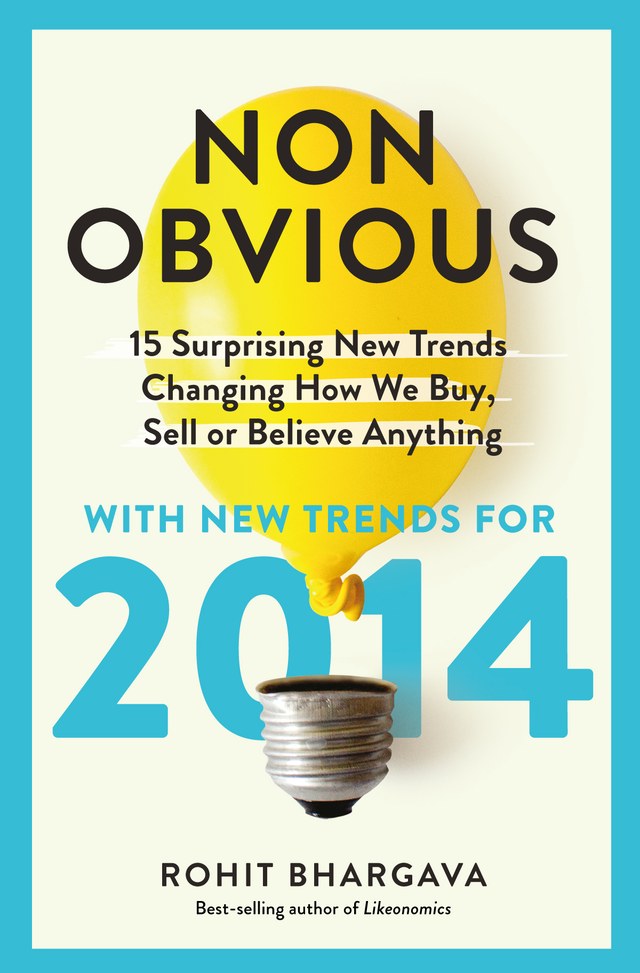
This fourth edition of the trend report was also the first time Rohit introduced the five categories that would be used in later reports: Culture + Consumer Behaviour, Marketing + Social Media, Economics + Entrepreneurship, Technology + Design and Media + Education. The most popular trends this year included “Desperate Detox” (consumers hungry to escape always-on technology) and “Curated Sensationalism” (the disturbing media shift toward extreme and outrageous stories).

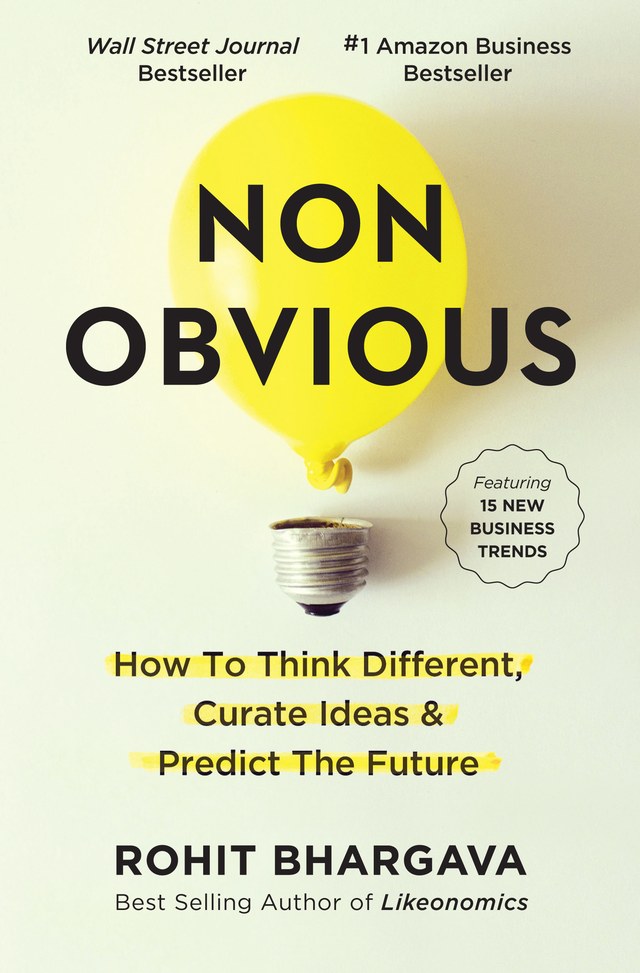
After growing success year after year with the digital reports, in 2015 Rohit expanded Non-Obvious and the trend report into a full length book. It was an instant Wall Street Journal best seller and brought this curation driven approach to understanding the future to more people than ever. The report that year introduced viral ideas like “Unperfection” (why flawed leaders and products are more appealing), “Small Data” (growing personal data abundance) and “Everyday Stardom” (an explosion in consumer expectations of personalization). The success of the book also inspired Rohit to leave his day job and start the Non-Obvious Company.

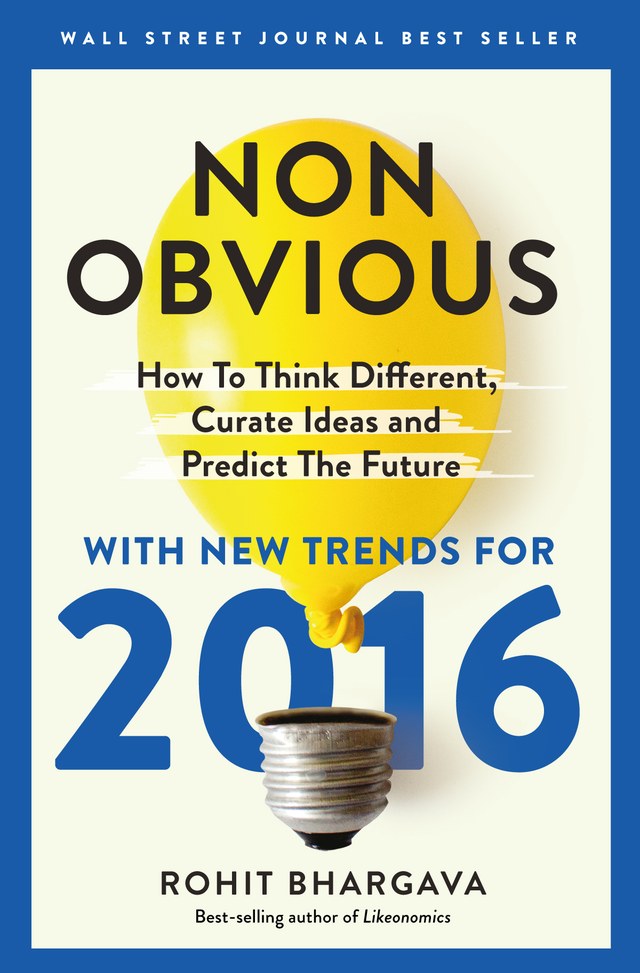
Building on the success of hitting the Wall Street Journal best seller list, in this edition readers were introduced to “Strategic Downgrading” (consumers choosing low-tech or retro options), “Optimistic Aging” (the embrace of aging), and “Virtual Empathy” (how virtual reality may foster greater empathy). This was also the first time the year was printed on the front cover of the book, a move that ignited a fierce debate online about the pros and cons of voluntarily dating a book and potentially making it quickly obsolete.

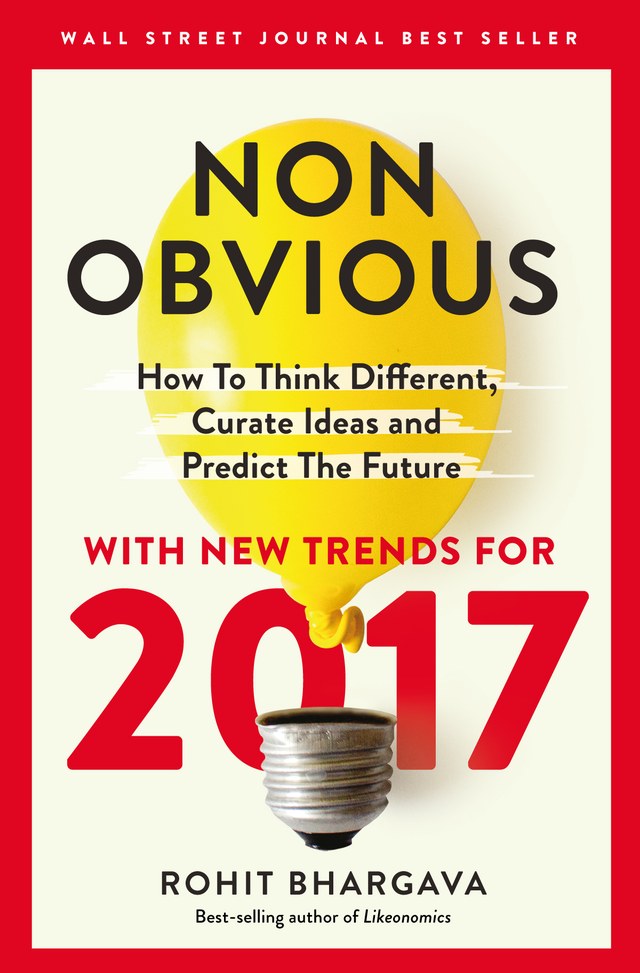
In this new report, readers are introduced to the ideas of “Passive Loyalty” (a shift in how brands generate true loyalty), “Fierce Femininity” (the revolution in how women are being portrayed in media and culture), and “Invisible Technology” (how technology blends unnoticeably into our lives). The 2017 Edition also earned a Silver Medal for Business Theory from the highly competitive Axiom Book Awards.

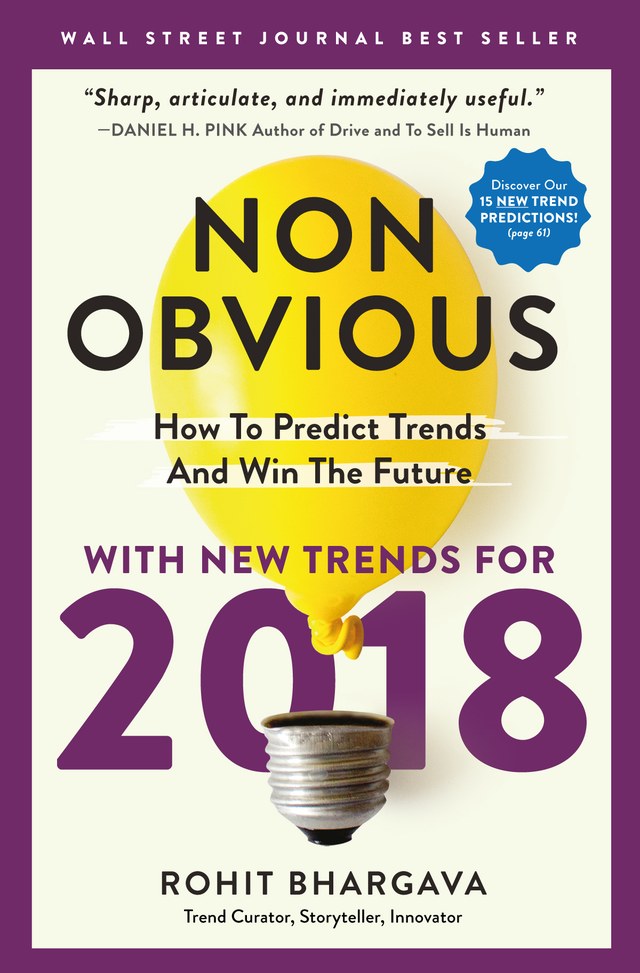
Some of the most popular trends from 2018’s report included “Truthing” (why we trust in face to face interactions most), “Brand Stand” (why brand purpose matters), “Light-Speed Learning” (the expectation to learn everything faster) and “Manipulated Outrage” (when a culture of outrage becomes identity). This 2018 edition was also selected as a Finalist for the prestigious Leonard L. Berry Marketing Book Prize from the American Marketing Association.

This ninth edition of the book evolved to include large text callouts and other features to improve the reading experience. Popular trends from this edition include Innovation Envy (corporations desperately copying one another instead of truly thinking different), Muddled Masculinity (our shifting cultural understanding of what it means to be a man) and Retrotrust (why we trust products and brands that we recognize from our past).

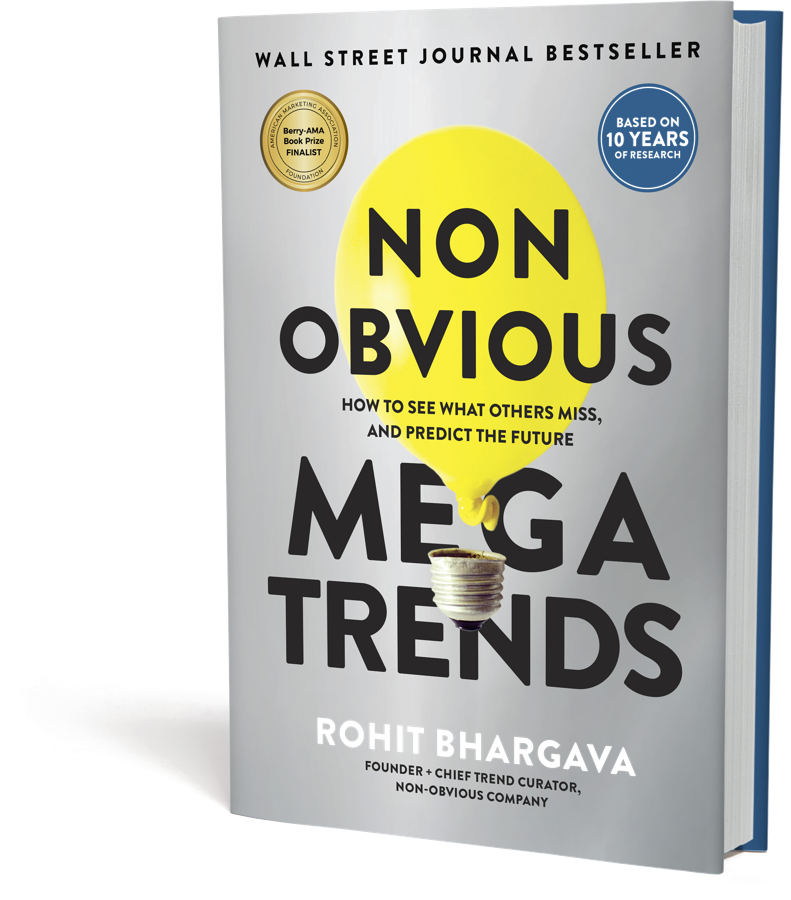
The tenth and final edition ended the series exactly as planned. Instead of 15 new trends, it distilled a decade of research into ten megatrends built to last, plus the complete Haystack Method. It won the Montaigne Medal and the Stevie Award for Best Business Book of the Year.
The 10 Megatrends
The final Non-Obvious Megatrends edition distilled ten years of trend curation into ten megatrends. Click any trend to see the full breakdown.
As individualism rises globally, people are carefully cultivating how they are perceived both online and offline, chasing stardom, and making themselves vulnerable to criticism in the process.
Culture & Consumer BehaviorTraditional gender divisions and labels are getting replaced with a more fluid understanding of gender identity, forcing a reevaluation of how we see employees, customers, brands and one another.
Media & EducationAs we become accustomed to consuming bitesized knowledge on demand, we benefit from learning everything more quickly but risk forgetting the value of mastery and wisdom.
Culture & Consumer BehaviorOverwhelmed by technology and a sense that life is now too complex and shallow, people seek out simpler experiences that offer a sense of nostalgia and remind them of a more trustworthy time.
Technology & DesignTired of technology that isolates us from one another, people seek out and place greater value on physical, authentic and “unperfect” experiences designed with empathy and delivered by humans.
Marketing & Social MediaIn the information economy, our attention is our most valuable resource, leading us to be more skeptical of those who manipulate us to get it, and instead seek out and trust those who communicate in more authentic ways.
Economics & EntrepreneurshipAs consumers and employees demand more sustainable and ethical practices from businesses, companies respond by adapting products, taking stands on issues, and putting purpose first.
Technology & DesignThe growing ubiquity of data and the myriad ways it can be collected raise big questions about how to make it truly useful, who owns the data, and who should stand to profit from it.
Technology & DesignAs we increasingly rely on predictive technology that keeps us and our world safe and makes life more convenient, we must contend with the privacy trade-offs required to make it work.
Economics & EntrepreneurshipAs the lines between industries erode, how we sell and buy anything changes constantly, leading to a continual disruption of business models, distribution channels, consumer expectations and even innovation itself.
Award-Winning Research
Montaigne Medal winner. Stevie® Award for Best Business Book of the Year. Axiom Gold Medal in Business Theory. INDIE Book Award Gold Medal. Royal Dragonfly first place in Business & Finance. And more than a dozen others.
Wall Street Journal Bestseller
Eric Hoffer Award · Montaigne Medal
Stevie® Award · Best Business Book
Axiom Gold Medal · Business Theory
INDIE Book Award · Gold Medal
Royal Dragonfly · First Place
AMA Berry Prize · Finalist
National Indie Excellence
IPPY Award · Silver Medal
Pinnacle Award · Best Business Book
Want To Use These Trends?
Bring this trend and more to your group with a customized keynote presentation or workshop session with Rohit Bhargava. Non-Obvious Thinkers win the future. Let’s explore how we can help you do this for yourself.
Learn More & Check Availability
Want More Non-Obvious Ideas?
The Non-Obvious Insights Newsletter brings you the five or six most fascinating and overlooked stories of the week, with a quick take on why each one matters.
One email every Thursday. No spam, unsubscribe anytime.
The Non-Obvious Insights Newsletter
The most interesting stories of the week, and why they matter. Join more than 25,000 readers.
One email every Thursday. No spam, unsubscribe anytime.