The Non-Obvious Trend Report Archive
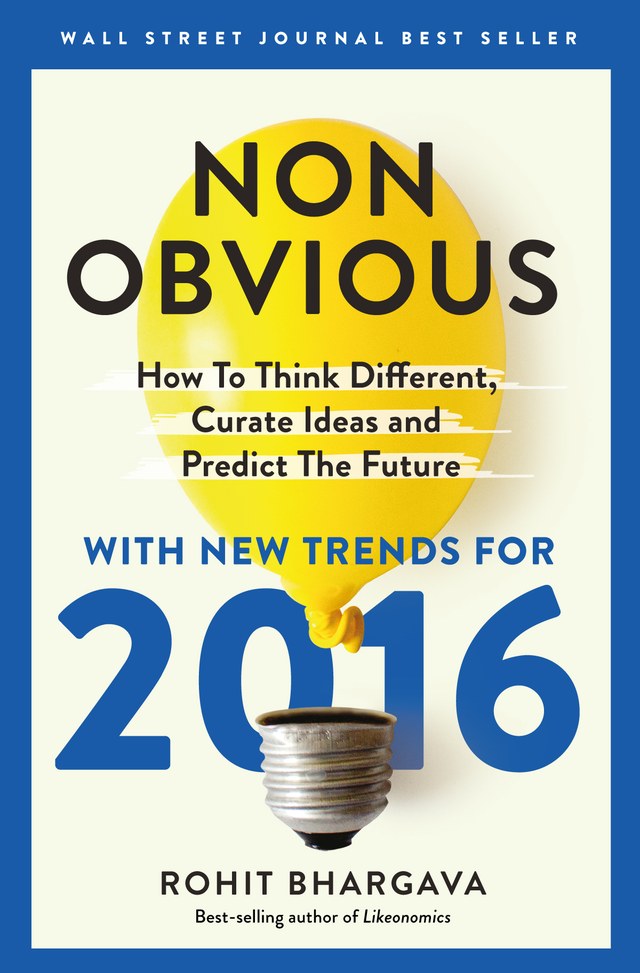
The 2016 edition added something few trend forecasters dare: an extensive index rating all 60 trends from the previous four years, with honest grades on how each prediction held up. New trends included Strategic Downgrading and Virtual Empathy.
The Story Of The 2016 Report
After releasing the book in print for the first time in 2015, it was tempting to return to digital for the new editions. The volume of my in-person appearances made this impractical, so I chose to publish a paperback update to the book less than 12 months after the original was released. The update followed the convention of previous years by introducing new trends. However, given the compressed time frame, my growing team and I realized that we might abandon some predictions before we explored their significance. As a result, we decided on a new convention: Every year moving forward, we would curate ten new trends and renew five previous predictions with an update on how those trends had evolved since we first wrote about them. In the 2016 edition, readers were introduced to the new ideas of Strategic Downgrading, about consumers choosing supposedly inferior earlier versions of products because they often worked better, lasted longer, or were easier to use; Automated Adulthood, on the growing range of technology making things easier for young people launching their independent lives; and Virtual Empathy, about the idea that technology might offer us a path to empathy for others unlike ourselves. For the first and only time, the book included an ill-advised 2016 update in which each trend from the previous year was revisited with more examples. Most readers thought it was not essential and unnecessarily long. In future editions, we relied instead on a final section similar to this one to analyze past predictions. E-mpulse Buying Strategic Downgrading Optimistic Aging B2Beyond Marketing Personality Mapping Branded Utility Mainstream Multiculturalism Earned Consumption Anti-stereotyping Virtual Empathy Data Overflow Heroic Design Insourced Incubation Automated Adulthood Obsessive Productivity
Trend Longevity Ratings measure how well each prediction held up. Graded in 2026.
15 trends
Trend 01 · 2016
(Originally curated 2014) Across media and entertainment, gender roles start to reverse, assumptions about alternative lifestyles are challenged, diversity increases, and perceptions of how people are defined continue to evolve.
We continue to see new stories that help us re-evaluate people, see gender as fluid, and generally challenge our long-held assumptions about identity and a blurring of what were once distinct lines.
Trend 02 · 2016
As more people go through a prolonged period of emerging adulthood, a growing range of technology and services helps to automate all aspects of their journey to adulthood.
New tools for automated living, smart homes, and predictive tech are combining with co-living options to help softly guide emerging adults emotionally and physically into becoming somewhat fully independent.
Trend 03 · 2016
B2B brands embrace their humanity, take inspiration from other sectors, and think more broadly about effectively marketing to decision makers as people first and niche B2B buyers second.
This was one of those frustrating trends that were well predicted and quantifiably true, yet it struggled to accelerate because so many B2B brands resist different thinking.
Trend 04 · 2016
(Originally curated 2014) Brands begin to focus on a combination of content marketing and a greater integration between marketing and operations to provide value through usefulness in customer's lives.
As content marketing continues to grow, brands increasingly find new ways to provide value, answer questions, and use marketing as a tool for education rather than purely for promotion.
Trend 05 · 2016
The growing amount of personal and corporate-owned data mixed with open data creates new challenges for better automated analysis tools, more AI, smarter curation, and more startup investment.
This is the first of a host of data-related trends from 2015 to 2019 that focus on the good and bad of data. A clear "bad" driving the continued relevance of this trend: There is too much of it.
Trend 06 · 2016
The desire for authentic experiences makes consumers more willing to earn their right to consume, offering businesses a chance to build more loyalty and engagement by letting consumers "pay" them.
The quest for status and recognition continues to entice consumers and can be rewarding for the right brands, but it remains a difficult task to stay worthy of this type of customer devotion.
Trend 07 · 2016
Despite fears that the e-commerce might kill impulse buying, real-time marketing and smart interfaces entice consumers to make split-second emotional buying decisions online as well.
As the sophistication of e-commerce grows, online selling is offering more opportunities to encourage impulse buys through upselling, retargeting, bundling, and many other techniques.
Trend 08 · 2016
(Originally curated 2014) Design takes a leading role in the introduction of new products, ideas, and inspiration to change the world in nuanced, audacious, irreverent, and sometimes unexpectedly heroic ways.
The growth of design thinking and a continued global need for audacious solutions to problems facing humankind have made this a trend we see renewed examples of every year.
Trend 09 · 2016
Companies desperate to be more innovative increasingly look to bring more outside innovators in-house, enticing them with funding, beautiful co-working lab spaces, and a feel-good pitch.
While this activity remained popular for few years, limited results and an outsized focus on the theater of innovation led to a slowdown, a point we noted in 2019 trend Innovation Envy.
Trend 10 · 2016
After years of being ignored, niche demographics, multicultural citizens, and their cultures find widespread acceptance through a growing integration of diverse ideas in culture and media.
Though this trend continues to receive unsettling opposition from small-minded xenophobic politicians, there is an unstoppable generational shift towards acceptance and embrace of multiple cultures.
Trend 11 · 2016
(Originally curated 2014) Thanks to our reduced attention spans and always-on technology, the necessity to be productive in every moment rapidly evolved into an obsession that underpins every moment.
More than three years after this trend was curated, people continue to fret over productivity, hack their time, and desperately seek to save time through any means possible.
Trend 12 · 2016
(Originally curated 2013) After years of being sold anti-aging solutions, a generation of newly aging adults are embracing the upside of getting older and finding optimism in the time their "third age" can offer.
This optimism about the future remains intact. However, it is tempered by rising fears about the environment, divisive politics, and a global economy in flux.
Trend 13 · 2016
As behavioral measurement tools build a detailed map of our personalities, organizations can use this information to bring like-minded people together and more effectively engage them.
This trend had a high potential to engage people based on what they love, but in the past few years, it was wasted by overly segmenting audiences or trying to sell them something.
Trend 14 · 2016
As more products and services get upgraded, consumers start rejecting these supposedly improved options and downgrading to simpler, cheaper, and more functional versions.
Since first writing about this trend, it has taken on a life of its own across the Internet. Consumers continue to seek simplicity, choose retro products, and reject excessive options.
Trend 15 · 2016
The dramatic growth of virtual reality and immersive technology allows creators to tell deeper stories and lets people see the world from another point of view, growing their empathy for those unlike themselves.
The examples of virtual reality and tech used to improve and quantify human empathy have become too numerous to count. This trend was so popular that we brought it back in 2018.

Want To Use These Trends?
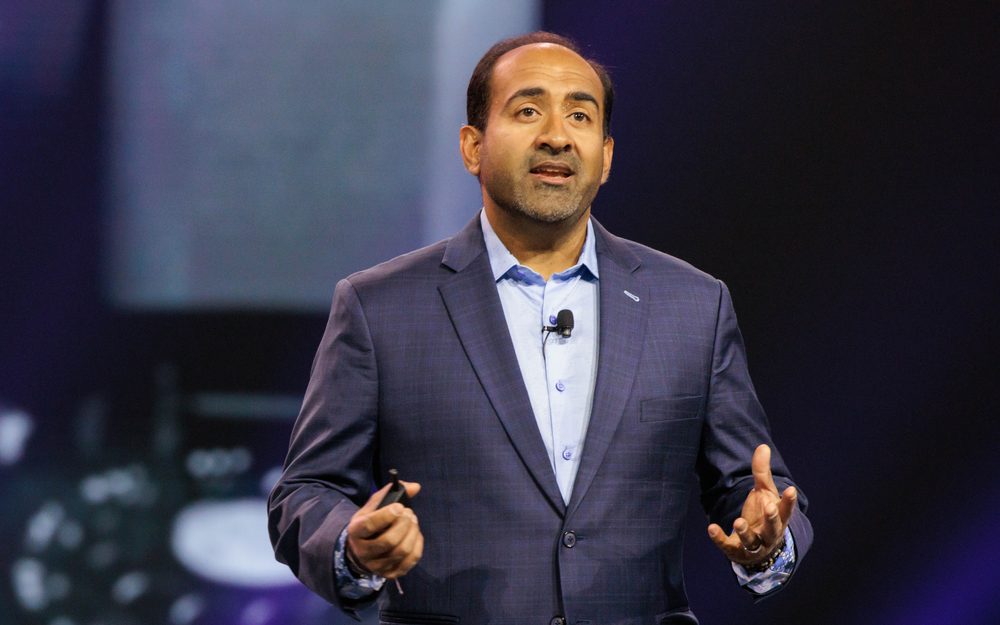
Bring this trend and more to your group with a customized keynote presentation or workshop session with Rohit Bhargava. Non-Obvious Thinkers win the future. Let’s explore how we can help you do this for yourself.
Learn More & Check Availability
Want More Non-Obvious Ideas?
The Non-Obvious Insights Newsletter brings you the five or six most fascinating and overlooked stories of the week, with a quick take on why each one matters.
One email every Thursday. No spam, unsubscribe anytime.
The Non-Obvious Insights Newsletter
The most interesting stories of the week, and why they matter. Join more than 25,000 readers.
One email every Thursday. No spam, unsubscribe anytime.