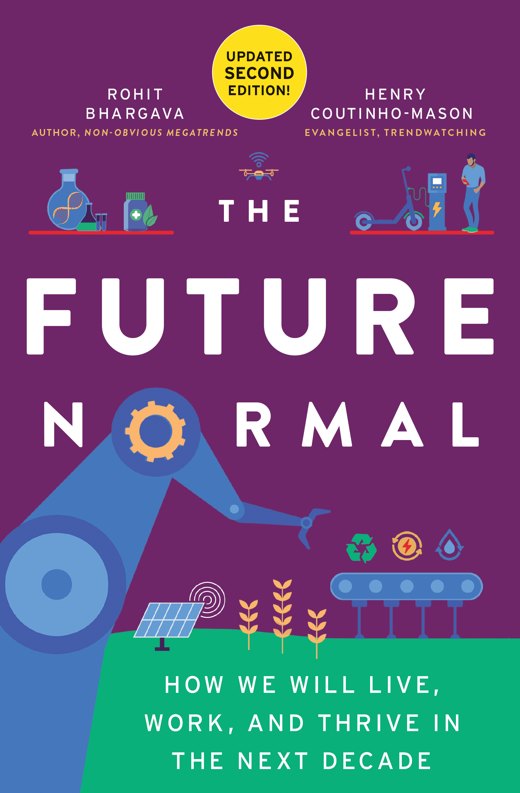
The Future Normal · Part 3
Waste-Free Products
What if you could throw things away with a clean conscience?
What if you could throw things away with a clean conscience?
The Trend
Products and their packaging are being redesigned so that disposal is not somebody else’s problem later, using compostable materials, seaweed-based packaging and marketplaces that make waste-free supply chains available to businesses of any size. Compostable dish brushes and biodegradable floss are the visible edge of a much larger ecosystem. In the future normal, more brands will rethink not just what they sell but how it is packaged, delivered and eventually thrown away.
The Instigator
Twin brothers Steve and Nick Tidball founded the brand to build clothes from the future, starting with a Relaxation Hoodie that helps the wearer hug themselves. Their larger ambition was to reinvent the most common product in fashion. The Plant and Algae T-shirt is made from sustainably certified wood pulp and plant-based linen and printed with algae ink that oxidizes and fades as the shirt is worn. Bury it in the ground when you are done and it decomposes in 12 weeks, which as Steve Tidball notes makes sustainability a lot easier to understand.
Imagining The Future Normal
How could products be designed as waste-free at the molecular level?
We’ve seen AI-engineered enzymes that can break down plastics in hours rather than centuries and new research around plastic-eating worms (real and artificial). To augment these innovations, the next frontier may be AI systems that analyze thousands of potential biomaterial combinations to create packaging that performs better than plastic while naturally biodegrading.
What if circular business models were economically superior to linear ones?
One significant barrier to waste-free products is cost competitiveness. What if predictive AI could optimize reverse logistics, reducing the costs of collecting, sorting, and reprocessing materials so dramatically that circular models become more profitable than extractive ones? The incentive model for businesses that leverage AI for this sort of planet-saving shift in production could close material loops and disrupt entire industries.
How will we avoid creating new, less visible waste streams?
The AI systems mentioned above have significant carbon and material footprints. As we use more AI to create waste-free products, we’ll need to ensure the technology itself doesn’t just create alternative new waste streams, from the production of semiconductors to the extreme energy usage needs of data centers.
Want To Use These Trends?
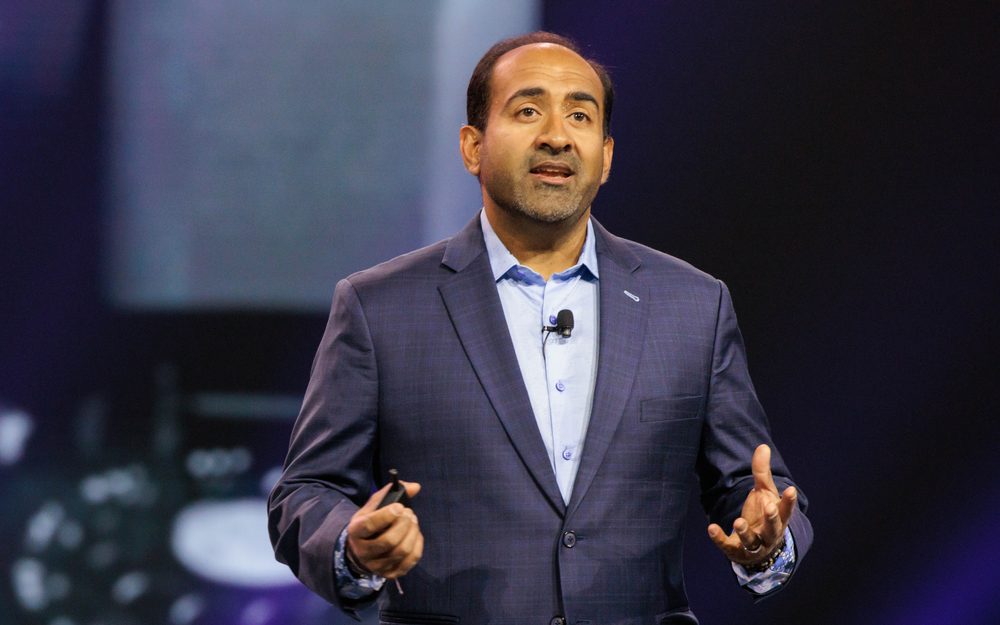
Bring this trend and more to your group with a customized keynote presentation or workshop session with Rohit Bhargava. Non-Obvious Thinkers win the future. Let’s explore how we can help you do this for yourself.
Learn More & Check Availability
Want More Non-Obvious Ideas?
The Non-Obvious Insights Newsletter brings you the five or six most fascinating and overlooked stories of the week, with a quick take on why each one matters.
One email every Thursday. No spam, unsubscribe anytime.
The Non-Obvious Insights Newsletter
The most interesting stories of the week, and why they matter. Join more than 25,000 readers.
One email every Thursday. No spam, unsubscribe anytime.