The Future Normal · Part 3
Millions of Microgrids
What if you could generate your own energy, reliably and cheaply?
What if you could generate your own energy, reliably and cheaply?
The Trend
Aging centralized grids are failing more often just as extreme weather makes outages more damaging, while the cost of solar has fallen more than 80 percent in a decade and battery capacity keeps improving on the back of electric vehicle investment. Together that makes genuinely local generation and storage practical for homes, businesses and whole communities. In the future normal, generating and storing your own energy will be commonplace, producing a cleaner, cheaper and far more resilient system than the one it replaces.
The Instigator
Launched in 2015, the Powerwall popularized the idea that a household could store the solar energy its own panels produced instead of feeding the excess back for no return. Dismissed early on as a toy for rich green people, it had sold 200,000 units by May 2021, half of them in the previous year. Tesla’s Virtual Power Plant program then let California owners sell power back to PG&E during demand spikes, and during an August 2022 heatwave one owner earned more than $500 in a single week, more than his monthly loan payment on the system.
Imagining The Future Normal
Will AI solve the very energy crisis it’s helping to create?
There’s a fascinating paradox unfolding: data centers running AI systems are dramatically increasing energy demand, yet those same AI systems are revolutionizing how microgrids and virtual power plants operate. In the future, the technology straining our power grid could also be the key to making it smarter, more sustainable, and resilient enough to better handle its own appetite.
What effects will democratizing the energy supply have on society?
AI-enabled virtual power plants are turning ordinary homeowners into energy traders, selling excess solar and battery power during grid stress. How might turning people from consumers to producers change how they view their role in “keeping society’s lights on,” quite literally? And what about those who can’t afford to install solar panels or batteries?
How vulnerable are these new, intelligent energy networks?
Decentralized microgrids offer promising resilience benefits, when one area goes down, others stay running. But as we connect millions of small energy nodes through AI systems, we may inadvertently create new security risks. If hackers target the AI brain coordinating thousands of interconnected energy resources, this could create huge disruptions.
Want To Use These Trends?
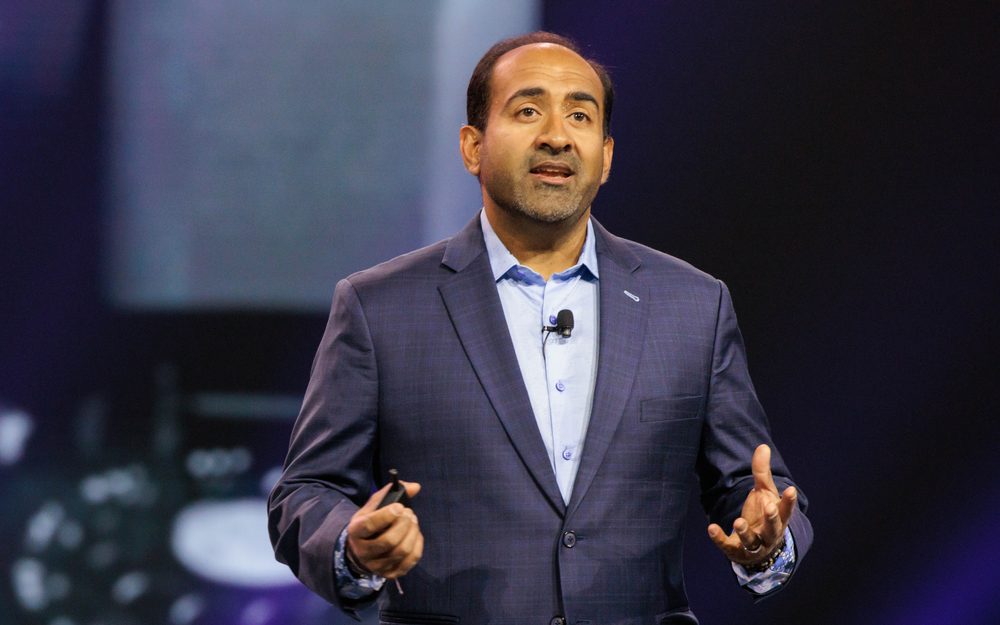
Bring this trend and more to your group with a customized keynote presentation or workshop session with Rohit Bhargava. Non-Obvious Thinkers win the future. Let’s explore how we can help you do this for yourself.
Learn More & Check Availability
Want More Non-Obvious Ideas?
The Non-Obvious Insights Newsletter brings you the five or six most fascinating and overlooked stories of the week, with a quick take on why each one matters.
One email every Thursday. No spam, unsubscribe anytime.
The Non-Obvious Insights Newsletter
The most interesting stories of the week, and why they matter. Join more than 25,000 readers.
One email every Thursday. No spam, unsubscribe anytime.