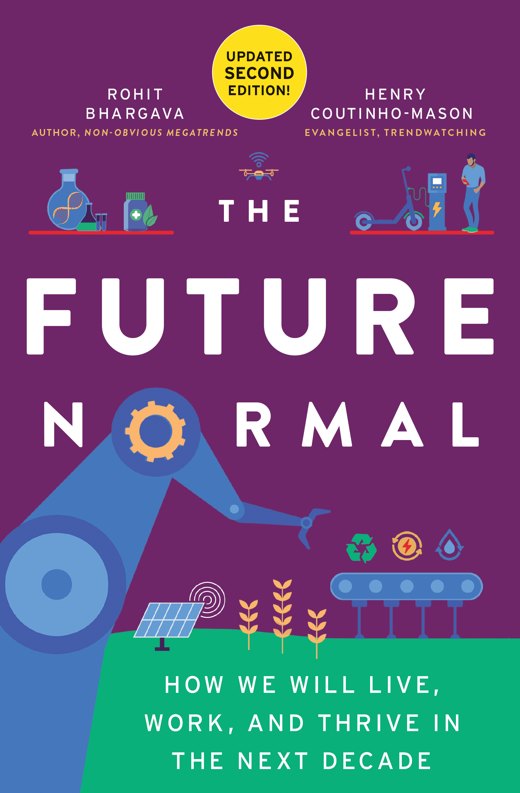
The Future Normal · Part 3

Making Weather
What if humanity could control the weather to fight the effects of global warming?
What if humanity could control the weather to fight the effects of global warming?
The Trend
Deliberately modifying weather is one of the most contested ideas in climate science, and the danger lies in what changing one region’s ecosystem does to another. Scientists keep studying it anyway, on the reluctant assumption that a warming world may leave no better emergency option. In the future normal, more researchers and innovators will look for ways to exercise this control incrementally and responsibly, in forms that spread the risk more equitably than the alternatives.
The Instigator
In 2019 the Association of Siamese Architects asked entrants to its annual competition for ideas so radical and transformative they would earn the description uncanny. One winning entry, led by then 29-year-old Indonesian architect Faris Rajak Kotahatuhaha, proposed a ship that submerges in ice-cold water to produce 16-foot-thick, 82-foot-wide hexagonal icebergs designed to interlock and rebuild what is melting. His argument was about fairness as much as physics: rich countries can afford sea walls, poorer ones cannot, so it is better to tackle the problem than to defend against it.
Imagining The Future Normal
Will real-time weather analytics inspire collaboration or conflict?
As satellite networks and weather models grow more sophisticated, AI analytics could provide unprecedented visibility into atmospheric conditions. This could help institutions verify compliance with climate agreements, fund responsible research, and coordinate responses to climate tipping points. It may also incentivize data hoarding and zero-sum regional political conflicts fueled by climate data.
Will futuristic climate models save us, or make us overconfident?
AI could enable us to accurately model the impacts of shaping the weather in advance, before we tinker with our atmosphere. Yet it may also give us models that don’t actually map reality, which we discover only when it’s too late. Given the random chaos of weather despite predictions, the real impact of AI forecasting models could in equal parts offer life-saving alerts and a false sense of security.
What if everyone can make their own weather?
As AI democratizes climate modeling and intervention systems become more accessible, could we see a proliferation of “DIY climate hackers”? Just as with bioweapons, the ability to research, simulate, and then deploy interventions might create a new category of global risk where rogue actors (or well-meaning amateurs) could attempt local weather modifications with potentially catastrophic consequences.
Want To Use These Trends?
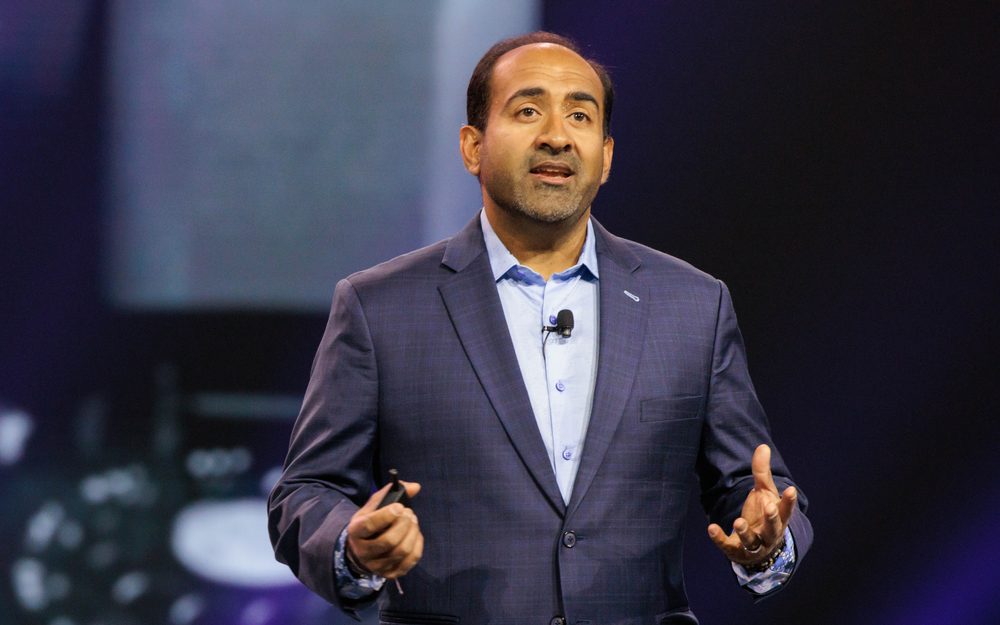
Bring this trend and more to your group with a customized keynote presentation or workshop session with Rohit Bhargava. Non-Obvious Thinkers win the future. Let’s explore how we can help you do this for yourself.
Learn More & Check Availability
Want More Non-Obvious Ideas?
The Non-Obvious Insights Newsletter brings you the five or six most fascinating and overlooked stories of the week, with a quick take on why each one matters.
One email every Thursday. No spam, unsubscribe anytime.
The Non-Obvious Insights Newsletter
The most interesting stories of the week, and why they matter. Join more than 25,000 readers.
One email every Thursday. No spam, unsubscribe anytime.