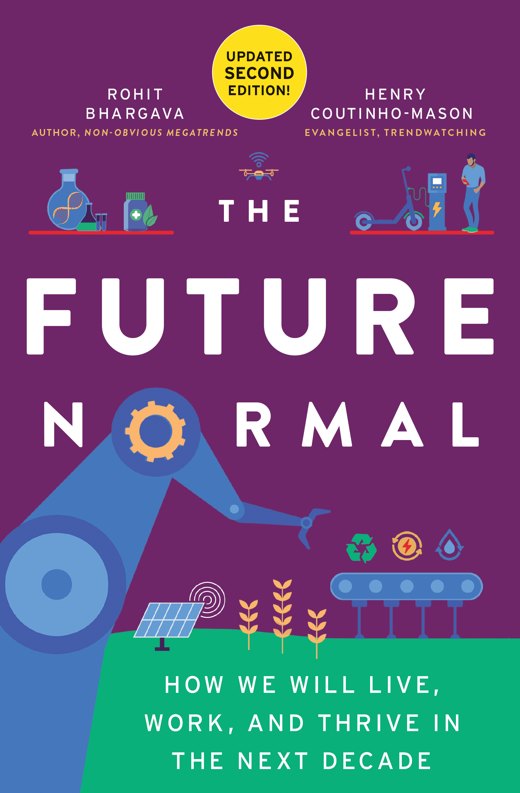
The Future Normal · Part 3
Nu-Agriculture
What if we could make clean, abundant food for everyone out of thin air?
What if we could make clean, abundant food for everyone out of thin air?
The Trend
Food production is being decoupled from farmland through fermentation, vertical farming and insect protein, all of which need far less land, water, energy and labor. As extreme weather makes traditional production less reliable, these systems become the more resilient option rather than the experimental one. In the future normal, more of our food will come from these methods, and they will be not just more sustainable but cheaper and safer, and celebrated as a model worth replicating.
The Instigator
Dr. Pasi Vainikka is closer to a modern-day alchemist than a farmer. His Finnish company uses fermentation to turn water, CO2 and renewable electricity into Solein, a protein-rich powder, a concept NASA first explored while working out how to feed people where there is no farmland. Mindful of how uneasy people are about engineered food, Solar Foods positions Solein as an ingredient for pasta, cereal and bread rather than a replacement for food itself. Producing a kilo of it takes 100 times less water than plant-based methods and 500 times less than beef.
Imagining The Future Normal
How will data and AI change farming and the agriculture industry?
The last few years have seen AI become the central nervous system of modern farming, forecasting yields, guiding autonomous tractors, and dynamically allocating resources. The coming power shift when software defines food supply chains will make this sector one of the fastest moving and most heavily disrupted in the world.
What if tomorrow’s food is grown by scientists, not farmers?
The wider implications of food production moving into the hands of agritech startups, data scientists, and robotics engineers are huge. What happens to traditional farmers during this transition? With the growing cultural divide between rural and urban citizens, the coming upheaval could become a defining moment for the next generation.
What if the real impact is on distribution rather than production?
In the near future, AI’s greatest impact could come from reducing waste, optimizing distribution chains, and better matching production to consumption needs. With this less glamorous application of supply chain optimization, AI could deliver the greatest benefits to our food systems.
Want To Use These Trends?
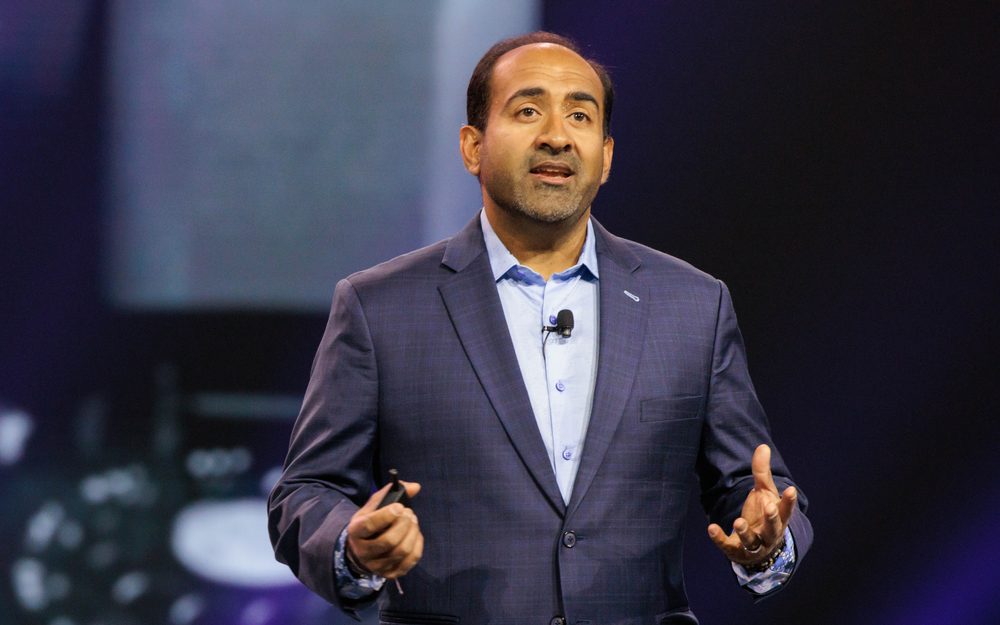
Bring this trend and more to your group with a customized keynote presentation or workshop session with Rohit Bhargava. Non-Obvious Thinkers win the future. Let’s explore how we can help you do this for yourself.
Learn More & Check Availability
Want More Non-Obvious Ideas?
The Non-Obvious Insights Newsletter brings you the five or six most fascinating and overlooked stories of the week, with a quick take on why each one matters.
One email every Thursday. No spam, unsubscribe anytime.
The Non-Obvious Insights Newsletter
The most interesting stories of the week, and why they matter. Join more than 25,000 readers.
One email every Thursday. No spam, unsubscribe anytime.