The Future Normal · Part 3
Urban Forests
What if we invested in more green infrastructure to make cities more sustainable?
What if we invested in more green infrastructure to make cities more sustainable?
The Trend
Trees and plants are being treated as infrastructure rather than decoration, because they cool streets, capture carbon, cut noise and increase biodiversity. Medellín planted more than 8,000 trees along 30 corridors and dropped the city’s average temperature by 2°C, Paris is planting 170,000 trees by 2026, and Seoul is building wind path forests to pull cool air into the city. In the future normal, we will not rely on air-conditioning alone to keep cities livable; bringing nature in is what will make them places people want to be.
The Instigator
An architect and professor of urban planning in Milan whose Bosco Verticale, completed in 2014, kickstarted the modern era of buildings that embed nature in their structure. The pair of residential towers hold more than 20,000 plants, which regulate internal temperature, dampen street noise and cut the dust reaching the apartments. Planted at ground level those trees would have needed 30,000 square meters; the towers occupy 3,000, and Boeri has gone on to design similar buildings around the world.
Imagining The Future Normal
How will real-time monitoring tools help ensure urban forest projects are successful?
Existing data and new urban planning models fueled by AI will allow governments to pinpoint a city’s hottest or most pollution-prone parts, and anticipate where trees or green roofs would have the greatest impact. The end result is more resilient sustainability projects, which may unlock more investment too.
How do we harness community engagement with technology?
Easily accessible apps with AI can help democratize urban forestry expertise, and data visualization tools can spark public participation. This combination of technology and the “human factor” can ensure that urban forests are utilized as intended and that their value to citizens will feel more tangible, ultimately driving a groundswell of continued support.
What if we could better prove the value of urban forests?
MIT’s Tree-D Fusion project (which created digital twins of over 600,000 trees) means we can now calculate the carbon sequestration, cooling effect, air filtration, and flood mitigation value of each tree. This profoundly shifts the business case for urban forests by allowing their value to connect to many other industry sectors, from real estate to retail to travel and tourism.
Want To Use These Trends?
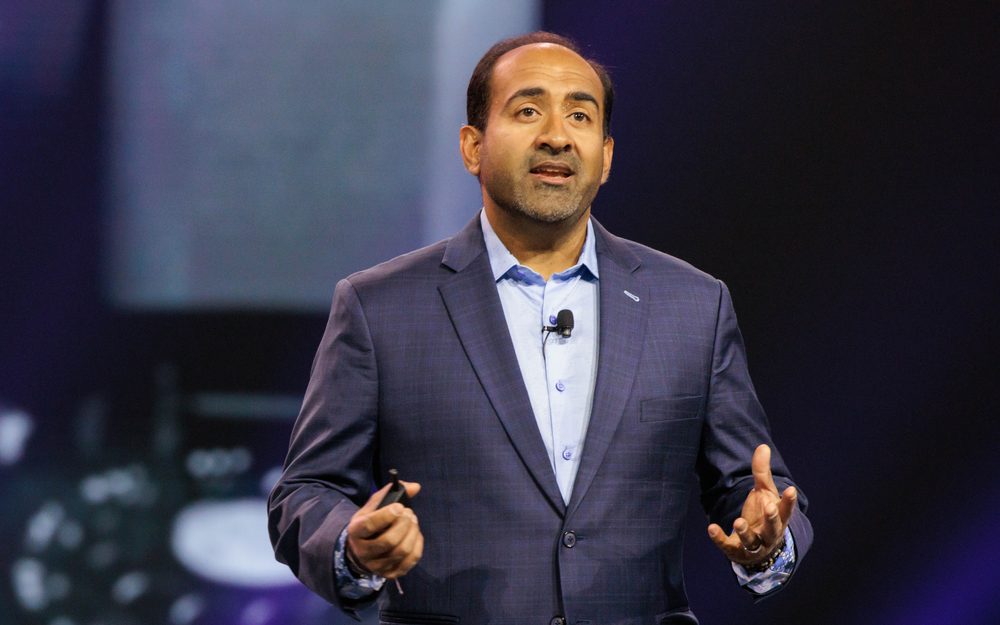
Bring this trend and more to your group with a customized keynote presentation or workshop session with Rohit Bhargava. Non-Obvious Thinkers win the future. Let’s explore how we can help you do this for yourself.
Learn More & Check Availability
Want More Non-Obvious Ideas?
The Non-Obvious Insights Newsletter brings you the five or six most fascinating and overlooked stories of the week, with a quick take on why each one matters.
One email every Thursday. No spam, unsubscribe anytime.
The Non-Obvious Insights Newsletter
The most interesting stories of the week, and why they matter. Join more than 25,000 readers.
One email every Thursday. No spam, unsubscribe anytime.