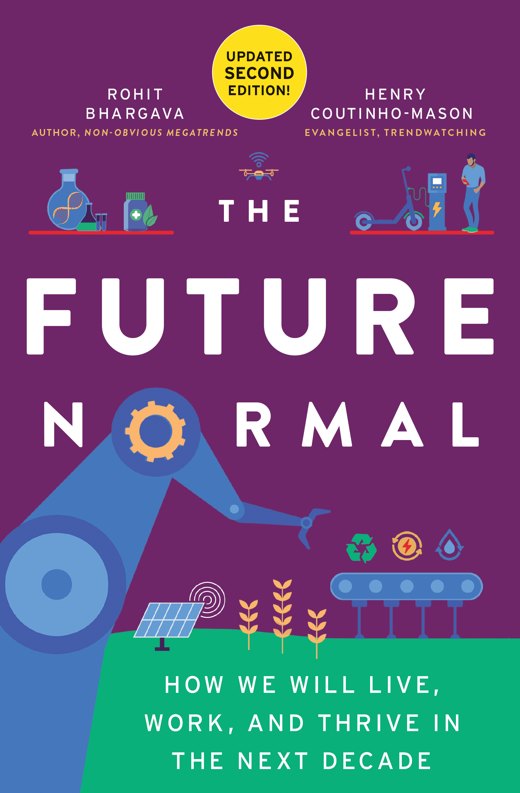
The Future Normal · Part 3
Inhuman Delivery
What if you could get anything delivered to your doorstep within minutes?
What if you could get anything delivered to your doorstep within minutes?
The Trend
Drone delivery has moved from far-fetched to routine, with Alphabet-owned Wing passing 350,000 deliveries across three continents and Zipline completing over 400,000 missions carrying blood, medical supplies and seven million vaccine doses. Geocoding systems that assign a unique address to every three square meters mean a package can find someone standing in the middle of a park. In the future normal, improvements in drone safety and capability will give rural customers, families on the move and emergency medical cases faster and more reliable options than the road can offer.
The Instigator
Founded in Ireland in 2018 with a goal of delivering in under three minutes, Manna began by flying Ben & Jerry’s to students in Dublin. When lockdown left rural communities isolated, CEO Bobby Healy petitioned the Health Service Executive to designate Manna an essential service and pivoted to delivering medication to the 1,000 residents of Moneygall. Its drones fly at 150 to 200 feet at close to 50 miles an hour, making seven or eight deliveries an hour for around 45,000 customers, and hot coffee turns out to be one of the most requested items.
Imagining The Future Normal
How do we encourage sustainable consumption when delivery is real time?
If consumers become accustomed to deliveries within minutes, it’s likely that people will shift toward smaller, more frequent orders. Will this reduce food waste, or will more impulse purchases drive overconsumption? AI-powered logistics platforms will need some incentives to nudge consumer behavior toward lower impact, instead of just encouraging more consumption.
What if retailers could send products before you even order them?
Back in 2013, Amazon filed a patent on anticipatory package shipping but struggled with implementation. Today’s AI can process vastly more signals about purchase intent. What if instead of just faster fulfillment, you had a household operating system that could predict your needs and use drones to deliver them right when you need them, or perhaps even just before?
What new (human) job roles might inhuman delivery services create?
Which new job opportunities will these inhuman delivery services create, from fleet choreographers orchestrating autonomous swarms, to delivery experience designers, or environmental compliance officers responsible for monitoring noise levels and the impact of drones and robots? Counter to widespread fears, autonomous delivery could be one of the major future drivers of a job boom for humans.
Want To Use These Trends?
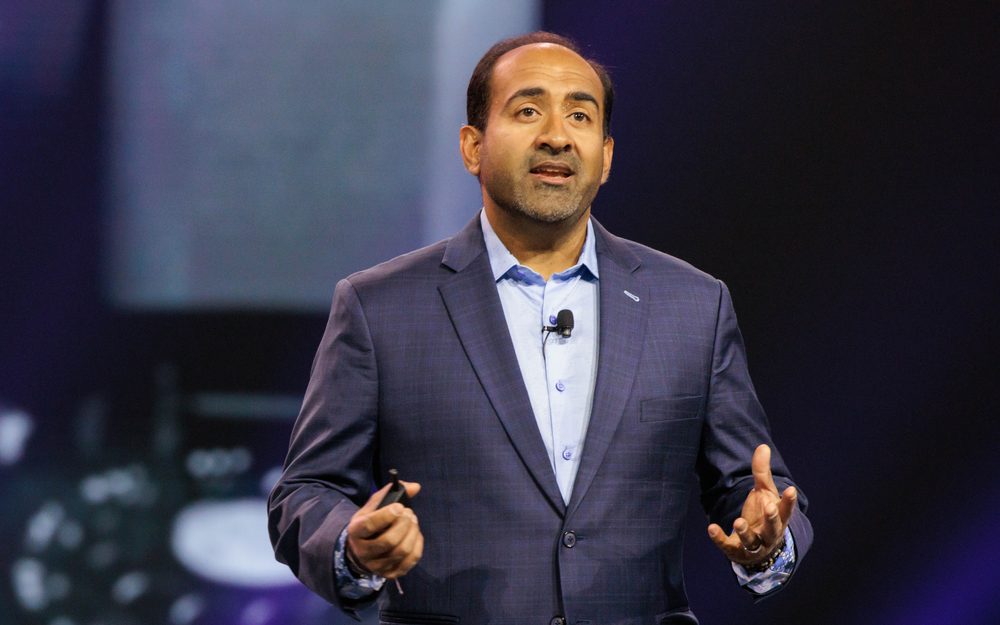
Bring this trend and more to your group with a customized keynote presentation or workshop session with Rohit Bhargava. Non-Obvious Thinkers win the future. Let’s explore how we can help you do this for yourself.
Learn More & Check Availability
Want More Non-Obvious Ideas?
The Non-Obvious Insights Newsletter brings you the five or six most fascinating and overlooked stories of the week, with a quick take on why each one matters.
One email every Thursday. No spam, unsubscribe anytime.
The Non-Obvious Insights Newsletter
The most interesting stories of the week, and why they matter. Join more than 25,000 readers.
One email every Thursday. No spam, unsubscribe anytime.