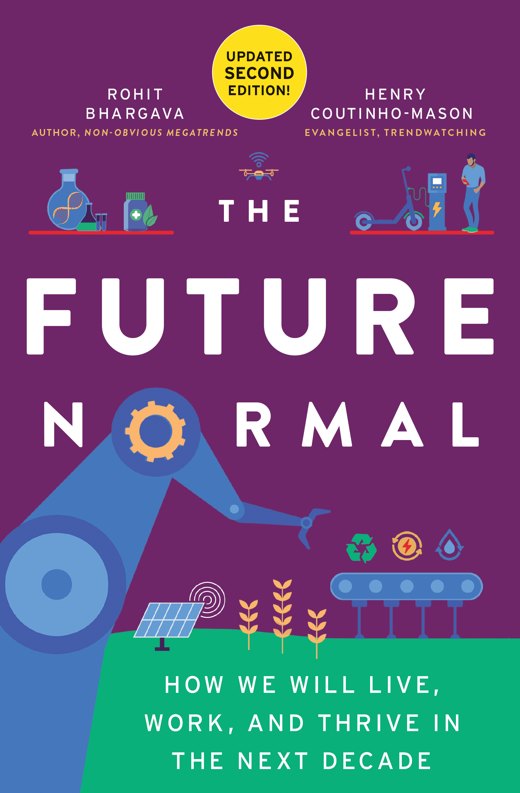
The Future Normal · Part 2
Unnaturally Better
What if “fake” was better?
What if “fake” was better?
The Trend
Synthetic used to mean cheaper, worse and dirtier. Biomimicry, DNA sequencing, AI-accelerated research and cheap renewable power are now producing artificial materials and foods that beat their natural counterparts on performance, ethics and environmental cost. In the future normal, synthetic alternatives will often be the more desirable option rather than the compromise, which is what makes them unnaturally better.
The Instigator
Uma Valeti, a cardiologist by training, was growing human heart cells for research when it occurred to him that the same technique could grow a chicken drumstick. He founded UPSIDE Foods in San Leandro, California, backed by Bill Gates alongside Tyson Foods and Cargill, and grew beef, chicken and duck in a lab. In November 2022 the company cleared a major regulatory milestone when the FDA said it had no further questions about the firm’s safety conclusion, opening the door for a food system with a far smaller environmental footprint.
Imagining The Future Normal
Will AI bring R&D timelines from years down to months?
AI is transforming the synthetic biology industry by optimizing the discovery of novel proteins and enzymes that are instrumental in creating cultivated meat and precision-fermented products. When AI “bio-assistants” autonomously design and test thousands of genetic experiments, costs can be lowered and timelines shrink from years to months, or even weeks.
When and how will synthetic alternatives become cost-competitive at scale?
While there are over a thousand startups creating novel proteins or materials in labs, affordable mass production remains elusive. AI-powered bioreactor optimization, predictive supply chain management, and automated quality control could finally bridge this gap, bringing unnaturally better products to price parity with conventional incumbents.
How can synthetic solutions gain more acceptance?
The most successful bio-innovations are positioning themselves as enhancing traditions. We’ve seen precision fermentation companies partnering with dairy cooperatives and mycelium leather makers working with traditional tanneries. Could reframing new, AI-powered synthetic options as complementary instead of competitive help overcome both public and industry resistance?
Want To Use These Trends?
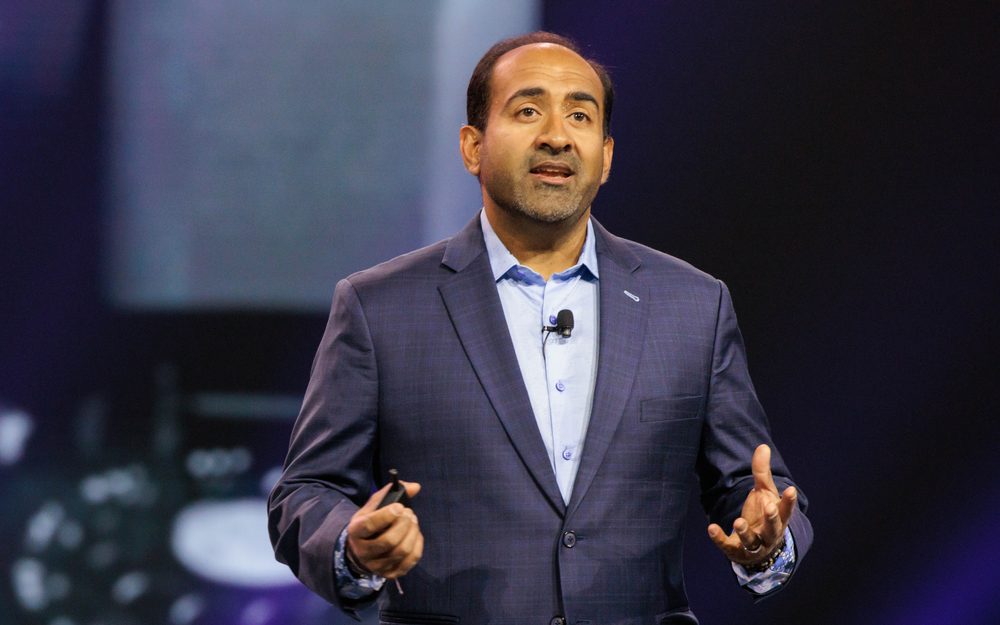
Bring this trend and more to your group with a customized keynote presentation or workshop session with Rohit Bhargava. Non-Obvious Thinkers win the future. Let’s explore how we can help you do this for yourself.
Learn More & Check Availability
Want More Non-Obvious Ideas?
The Non-Obvious Insights Newsletter brings you the five or six most fascinating and overlooked stories of the week, with a quick take on why each one matters.
One email every Thursday. No spam, unsubscribe anytime.
The Non-Obvious Insights Newsletter
The most interesting stories of the week, and why they matter. Join more than 25,000 readers.
One email every Thursday. No spam, unsubscribe anytime.