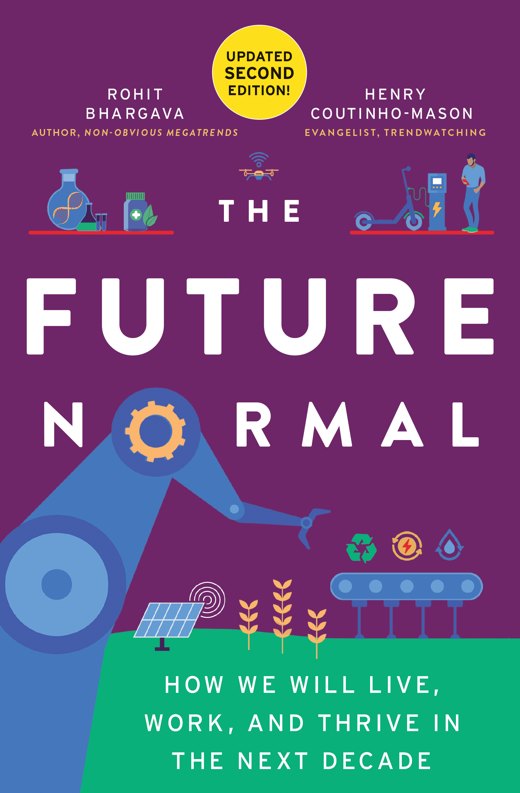
The Future Normal · Part 2

Calculated Consumption
What if we started tracking our carbon footprints in the same way we track our calorie or salt intakes?
What if we started tracking our carbon footprints in the same way we track our calorie or salt intakes?
The Trend
We count steps, compare calories, measure resting heart rates and track sleep, because data makes us feel in control. On carbon we have spent years oscillating between guilt and ignorance, with no number to act on. In the future normal, more companies will publish the carbon cost of their products, familiarity will teach people what a good and a bad number looks like, and knowledge will start to shape what gets bought.
The Instigator
In 2020 the sustainable shoe brand became the first in fashion to put the carbon footprint of its products on the label. It reported an average of 7.6 kg CO2e per pair, then gave people something to compare it to: about the same as driving 19 miles or running five loads through a dryer, and roughly 40 percent below the industry average of 12.5 kg. Cofounder Joey Zwillinger wanted something simple enough that anyone could read it, just like the calories on a food label.
Imagining The Future Normal
Can real-time carbon data shift supply chain management?
AI has dramatically reduced the cost and time required to measure product footprints. What if every item in your inventory could have its own detailed carbon profile, updated in real time? When machine learning can analyze millions of products, carbon accounting becomes granular, and this could make supply chains more fluid, transparent, sustainable, and efficient.
What if AI could bridge the gap between carbon data and consumer decision-making?
The challenge with sustainability data isn’t just collecting it, but making it accessible and actionable. What if shoppers could have AI companions that interpret complex carbon metrics, highlight trade-offs, and recommend better alternatives at the point of sale? This could transform consumption patterns by helping consumers meet their aspirations to live sustainably.
What if higher-impact products could be prevented from ever reaching store shelves?
Beyond just measuring existing products’ footprints, AI enables predictive modeling during the prototype and testing phase. How might product development shift if teams could simulate and optimize the carbon, water, and waste implications of different materials and manufacturing techniques? With this data, unsustainable products and production could be avoided.
Want To Use These Trends?
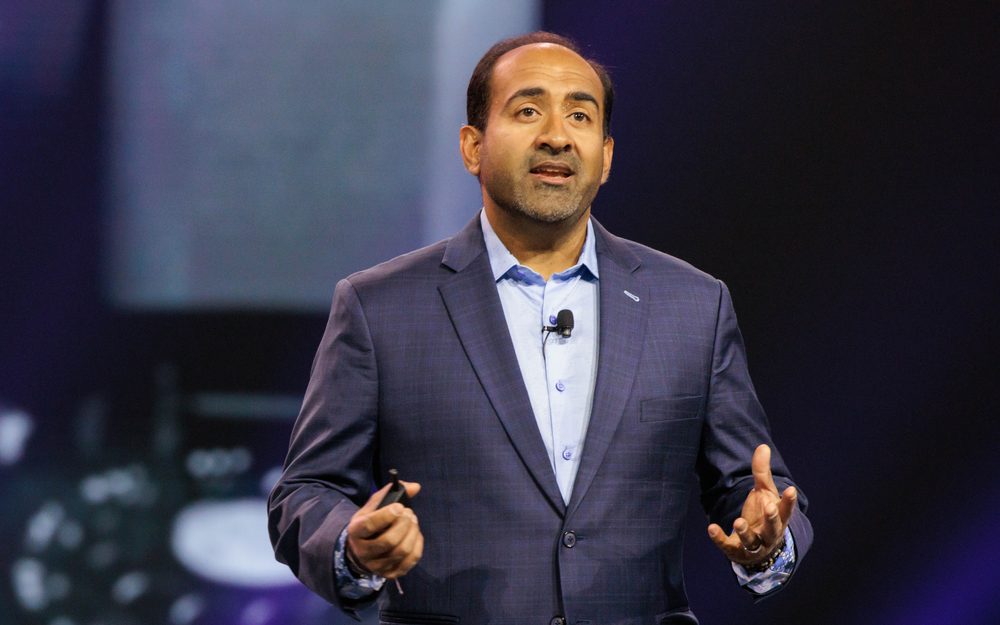
Bring this trend and more to your group with a customized keynote presentation or workshop session with Rohit Bhargava. Non-Obvious Thinkers win the future. Let’s explore how we can help you do this for yourself.
Learn More & Check Availability
Want More Non-Obvious Ideas?
The Non-Obvious Insights Newsletter brings you the five or six most fascinating and overlooked stories of the week, with a quick take on why each one matters.
One email every Thursday. No spam, unsubscribe anytime.
The Non-Obvious Insights Newsletter
The most interesting stories of the week, and why they matter. Join more than 25,000 readers.
One email every Thursday. No spam, unsubscribe anytime.