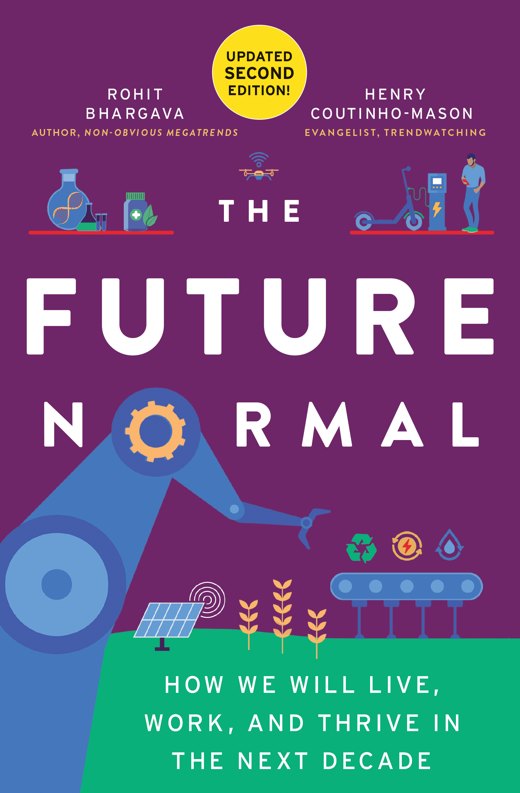
The Future Normal · Part 2
Impact Hubs
What if your office space could contribute to the local economy and community?
What if your office space could contribute to the local economy and community?
The Trend
Predictions of the end of the office were premature, but the office is being renegotiated: work is going hybrid, footprints are shrinking, and real estate is still the biggest line item after salaries for most white-collar organizations. Those companies now want the space they keep to do more than hold desks. In the future normal, forward-thinking companies will occupy impact hubs that workers actually want to be in and that strengthen the community around them, serving as a visible expression of what the tenant claims to value.
The Instigator
The UK nonprofit behind International House, a 50,000-square-foot office building in South London that earned a place on Fast Company’s World Changing Ideas list. Its BuyGiveWork model gives a qualifying nonprofit or local startup free space for every space rented commercially, currently housing a youth entrepreneurship program, a green farming incubator, an art studio and a photography resource center. It was also the first building in the UK recognized as a living wage building, and commercial tenants must give an hour of employee time each month to a local nonprofit project.
Imagining The Future Normal
What if AI could help organizations identify and unlock their surplus space?
Sensors and analytics can track which areas are bustling with activity and which sit empty, allowing for data-driven decisions about space allocation. In the future, workplace operators could use this information to identify underutilized areas that could be repurposed for community use without disrupting core business functions.
How might technology make sharing space easier?
As we saw with job sharing, managing the logistical overhead is one of the biggest barriers for space-sharing programs. AI could evolve current models from simple space-matching connections to sophisticated partnerships, creating an ecosystem where resource-sharing extends beyond physical space to include talent, knowledge, and purpose.
How could we better measure the impact of regenerative workplaces?
It has been hard for impact hubs to quantify their community benefit. Now AI can help capture and analyze data on space utilization and community engagement, helping grassroots organizations tell compelling data-driven stories to prove ROI and gain more funding.
Want To Use These Trends?
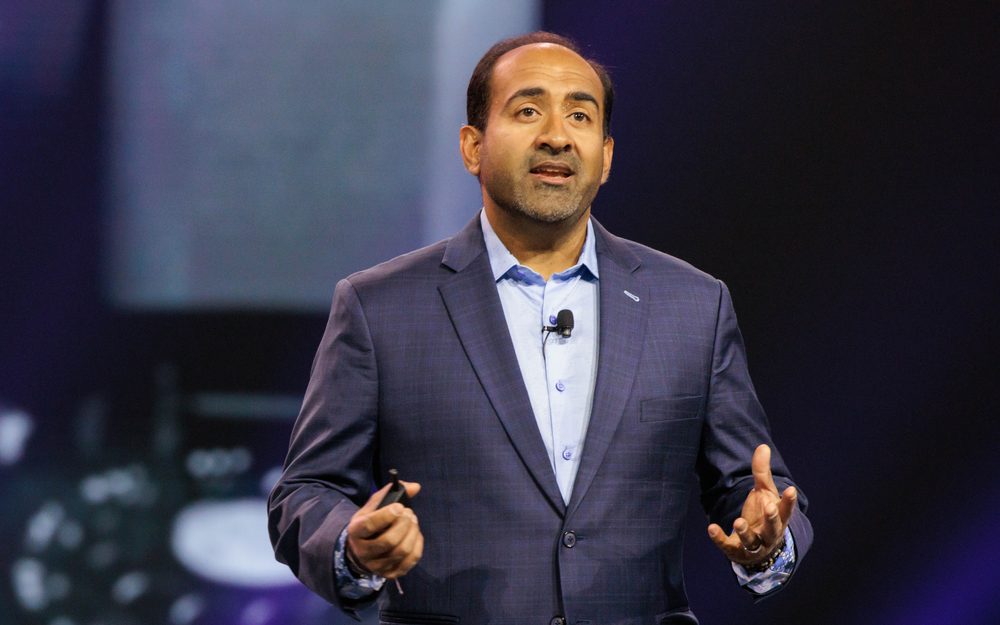
Bring this trend and more to your group with a customized keynote presentation or workshop session with Rohit Bhargava. Non-Obvious Thinkers win the future. Let’s explore how we can help you do this for yourself.
Learn More & Check Availability
Want More Non-Obvious Ideas?
The Non-Obvious Insights Newsletter brings you the five or six most fascinating and overlooked stories of the week, with a quick take on why each one matters.
One email every Thursday. No spam, unsubscribe anytime.
The Non-Obvious Insights Newsletter
The most interesting stories of the week, and why they matter. Join more than 25,000 readers.
One email every Thursday. No spam, unsubscribe anytime.