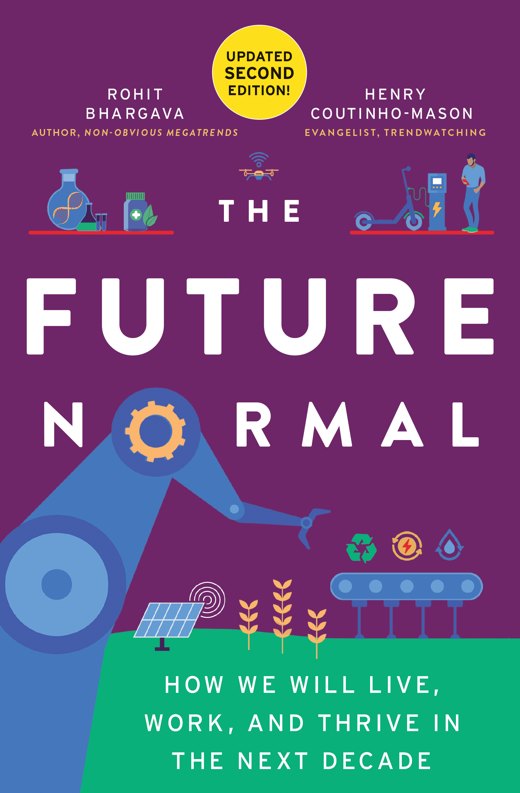
The Future Normal · Part 2

Big Brand Redemption
What if more of the world’s biggest businesses prioritized doing good over profits?
What if more of the world’s biggest businesses prioritized doing good over profits?
The Trend
When most of us picture a company with positive impact we picture something like Patagonia: founder-owned, mission driven and relatively small. The numbers say the advantage is not limited to midsize companies, with firms in JUST Capital’s ranking of US public companies by stakeholder impact posting a 7.2 percent higher return on equity than the wider market. In the future normal, an even greater share of the world’s biggest companies will make the shift, and find reputational redemption with consumers and employees as they do.
The Instigator
Jay Coen Gilbert and Bart Houlahan watched the socially responsible practices at the heart of their basketball apparel company AND1 dismantled within months of selling it, and decided to build something that would survive an acquisition. With Andrew Kassoy they founded B Lab, the nonprofit behind B Corporation Certification. To qualify, a company must score at least 80 points out of 200 on the B Impact Assessment, publish its score, and change its governance so directors are legally required to weigh nonfinancial impact.
Imagining The Future Normal
What if AI makes it impossible to hide corporate hypocrisy?
AI tools can now enable anyone to analyze satellite imagery to detect environmental violations, scan social media for labor complaints, and cross-reference corporate statements with actual performance. Soon we may see real-time “truth dashboards” that monitor corporate behavior across thousands of metrics, finally making transparency a strategic necessity.
How will employees drive corporate purpose initiatives?
While consumer expectations can be fickle and polarized, employees can represent a more persistent force for positive impact. AI massively increases the leverage of top talent, allowing small groups of purpose-driven employees to create solutions with global impact. Today, this applies mainly to the tech sector, but the same will soon be true across the wider economy.
What if AI enables more democratic governance?
Today’s governance structures struggle to meaningfully incorporate the perspectives of all stakeholders. AI could change this by gathering and processing input from thousands or even millions of stakeholders to identify common values and priorities. These AI-powered “voice of stakeholder” systems could help boards and executives understand the collective will of their constituents.
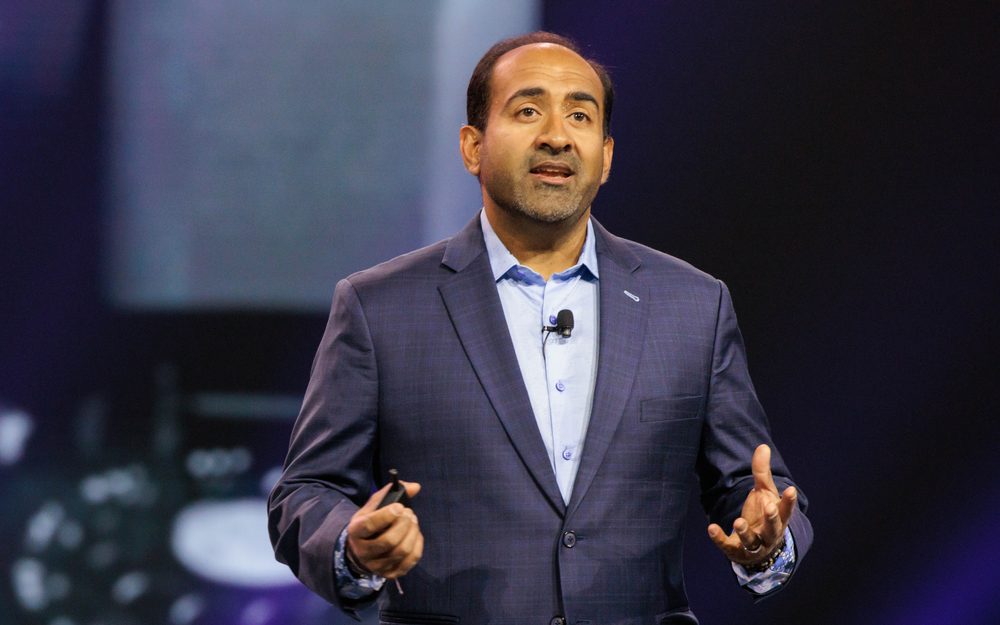
Want To Use These Trends?
Bring this trend and more to your group with a customized keynote presentation or workshop session with Rohit Bhargava. Non-Obvious Thinkers win the future. Let’s explore how we can help you do this for yourself.
Learn More & Check Availability
Want More Non-Obvious Ideas?
The Non-Obvious Insights Newsletter brings you the five or six most fascinating and overlooked stories of the week, with a quick take on why each one matters.
One email every Thursday. No spam, unsubscribe anytime.
The Non-Obvious Insights Newsletter
The most interesting stories of the week, and why they matter. Join more than 25,000 readers.
One email every Thursday. No spam, unsubscribe anytime.