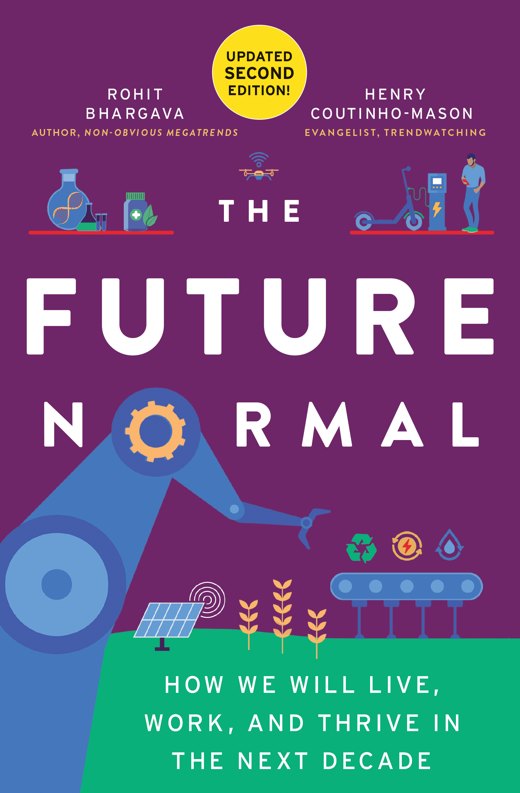
The Future Normal · Part 2

Reflective Cultures
What if our organizations’ cultures reflected the societies in which they operate?
What if our organizations’ cultures reflected the societies in which they operate?
The Trend
Diversity efforts that stop at product tweaks and ad campaigns are running out of credibility while the cost of exclusion keeps mounting. Citigroup put racial gaps at $16 trillion in lost US economic output over 20 years, and McKinsey estimates that closing the gender gap would add $12 trillion to global GDP. In the future normal, real change will require an internal culture shift alongside a rethinking of what gets sold, because pointing at a campaign will convince no one.
The Instigator
Founded in the summer of 2020 by former Teen Vogue editor in chief Lindsay Peoples Wagner and publicist Sandrine Charles to secure representation for Black people across the fashion and beauty industries. More than 70 companies signed on, including Condé Nast, Farfetch, Calvin Klein, L’Oréal and Glossier. What separates it from the rush of 2020 pledges is the requirement: members sign a three-year commitment that obliges them to share data on employee representation, and the first report found that while 97 percent featured Black talent in advertising, only one in five had a formal professional development program.
Imagining The Future Normal
What if hidden labor and biases were made visible?
Much of what drives exclusion is subtle, from interrupting women to devaluing the inputs from those with foreign accents. AI can shine the spotlight on these silent norms, identifying who gets invited to important meetings, whose ideas get funded, and whose feedback gets minimized. Making these visible won’t magically solve the problem, but it does make it harder to ignore.
How will AI affect the development of reflective cultures?
AI tools can flag certain internal behaviors, yet they also risk amplifying existing biases and may even enable the outsourcing of accountability: “The model told us this was fair.” Given the well-known coded bias built into early AI tools, for reflective cultures to thrive, AI must be trained to lessen bias.
How might we equip managers to build reflective cultures?
Do most managers have the skills to manage diverse teams and uncomfortable conversations? Are we training them not just in compliance, but to lead with genuine empathy? One way to accomplish this can be to use AI simulations and virtual reality as tools of empathy to help leaders more deeply appreciate and experience alternate perspectives.
Want To Use These Trends?
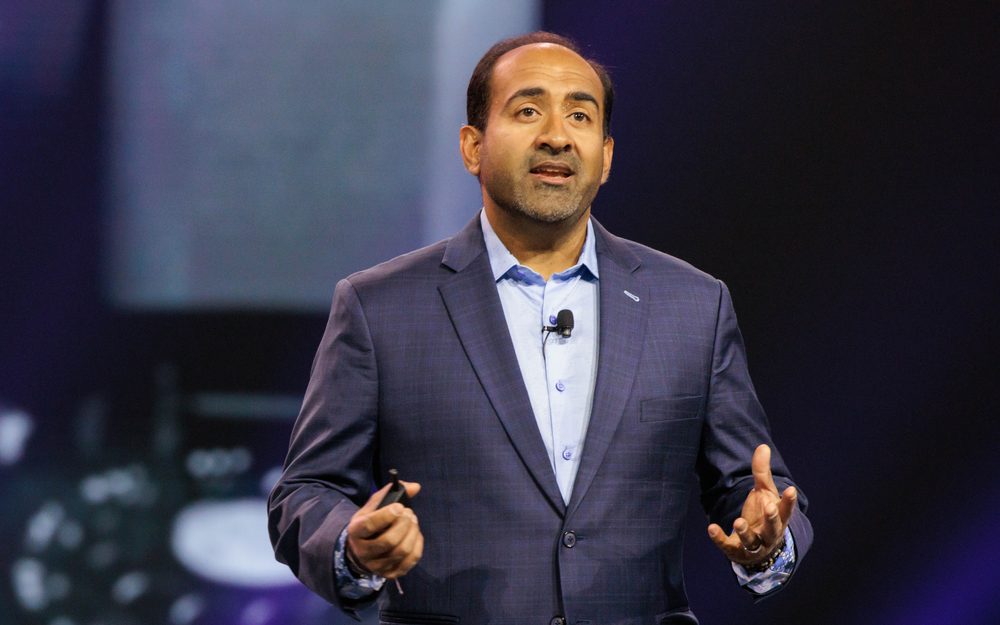
Bring this trend and more to your group with a customized keynote presentation or workshop session with Rohit Bhargava. Non-Obvious Thinkers win the future. Let’s explore how we can help you do this for yourself.
Learn More & Check Availability
Want More Non-Obvious Ideas?
The Non-Obvious Insights Newsletter brings you the five or six most fascinating and overlooked stories of the week, with a quick take on why each one matters.
One email every Thursday. No spam, unsubscribe anytime.
The Non-Obvious Insights Newsletter
The most interesting stories of the week, and why they matter. Join more than 25,000 readers.
One email every Thursday. No spam, unsubscribe anytime.