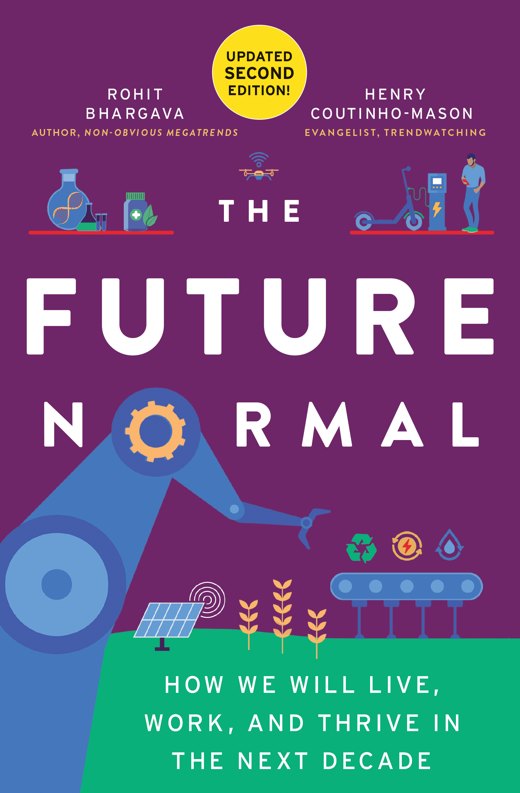
The Future Normal · Part 3
New Collectivism
What if startup founders dreamed of more than venture capital and unicorns?
What if startup founders dreamed of more than venture capital and unicorns?
The Trend
Cooperatives, mutual societies and credit unions are centuries old and enormous, yet they remain rare among the fastest-growing digital startups even though those business models are networked and community-powered by design. The startup default is still to raise money, chase growth at all costs and exit through an IPO or acquisition that celebrates individuals. In the future normal, transferring power to a community will be built into how companies are formed and how they exit, so the value a community creates flows back to it.
The Instigator
Nathan Schneider, a reporter and professor of media studies at the University of Colorado Boulder, has been studying cooperatives since his days covering the Occupy Movement, and proposes that startups exit to their users, workers and communities rather than to shareholders or acquirers. The scale of what already exists makes the idea less exotic than it sounds: the world’s 300 largest cooperatives turn over $2 trillion, cooperatives employ 280 million people or a tenth of the world’s workforce, and both the Green Bay Packers and FC Barcelona are owned by their members.
Imagining The Future Normal
What if digital tools could help communities coordinate and grow?
AI tools and platforms can facilitate governance by processing diverse stakeholder inputs, identifying points of consensus, and suggesting compromise solutions. This can help overcome the coordination disadvantages that have historically kept collectives smaller than their profit-maximizing counterparts.
How could ownership be distributed more equitably based on real-time metrics?
What if AI could analyze thousands of interactions to create ownership models that reflected people’s real contributions (code commits, community engagement, customer service) rather than a predetermined equity stake? Creating models that dynamically update over time can ensure that community members are incentivized and fairly rewarded for their contributions.
What if overhead could be automated so smaller communities can thrive?
A handful of members using AI can now manage operations that previously might have needed dozens of volunteers. As AI increases the leverage of individuals and small groups, community ownership models will become more practical than ever before.
Want To Use These Trends?
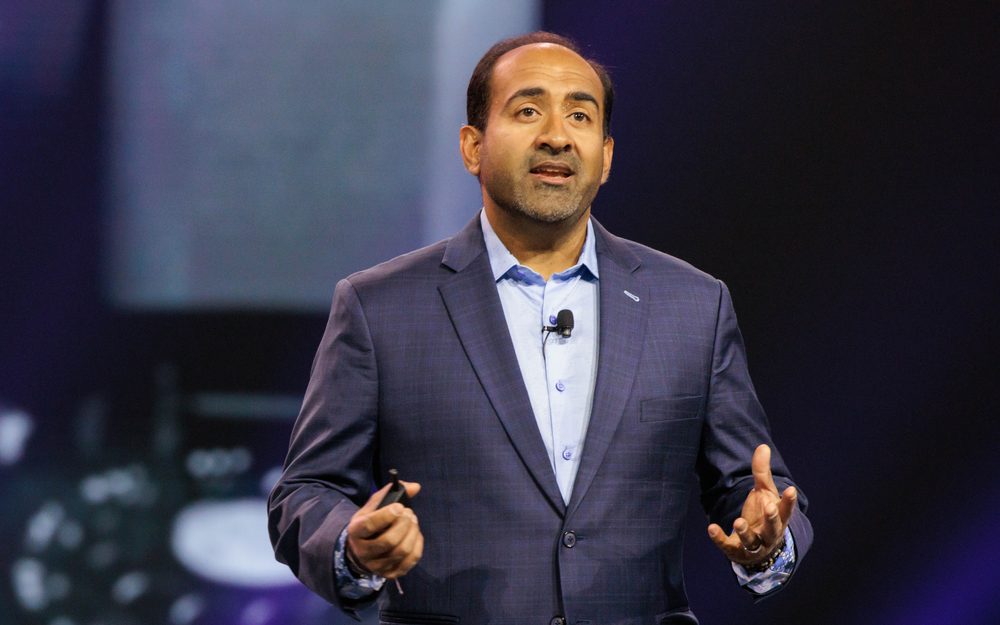
Bring this trend and more to your group with a customized keynote presentation or workshop session with Rohit Bhargava. Non-Obvious Thinkers win the future. Let’s explore how we can help you do this for yourself.
Learn More & Check Availability
Want More Non-Obvious Ideas?
The Non-Obvious Insights Newsletter brings you the five or six most fascinating and overlooked stories of the week, with a quick take on why each one matters.
One email every Thursday. No spam, unsubscribe anytime.
The Non-Obvious Insights Newsletter
The most interesting stories of the week, and why they matter. Join more than 25,000 readers.
One email every Thursday. No spam, unsubscribe anytime.