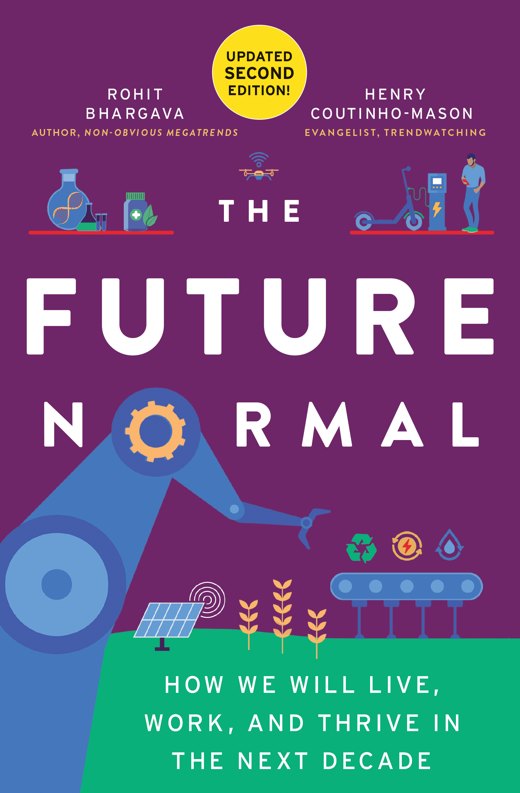
The Future Normal · Part 3

Good Governing
What if government policies were recognized for actually making citizens’ lives better?
What if government policies were recognized for actually making citizens’ lives better?
The Trend
Faith in government keeps eroding, and Edelman’s Trust Barometer of 36,000 people across 28 countries ranks it the least effective institution for solving social problems, behind business, NGOs and media. Yet good governing happens constantly, usually locally and usually unnoticed. In the future normal, people’s perception of government will shift from something debated from afar to something that happens in their own neighborhood and makes life safer, healthier and more fulfilling.
The Instigator
An annual gathering in Dubai of government leaders and experts dedicated to shaping future governments, with the 2025 event drawing more than 38,000 attendees across 1,600 sessions. Its value is in circulating programs worth copying: Surabaya letting bus riders pay their fare with five plastic bottles, Finland’s AuroraAI programme building AI-enabled public services, and the Dutch city of Tilburg testing traffic sensors that automatically give elderly and disabled pedestrians extra time to cross.
Imagining The Future Normal
Can AI help governments directly engage with citizens?
The promise of AI copilots to reduce the time spent on bureaucracy is huge. Some early tests where US states did a trial with ChatGPT showed civil servants saved an estimated 95 minutes each day. This is likely to lead to shrinking government workforces, but could also potentially allow time for more meaningful citizen engagement.
How can governance be moved to evidence-based design?
AI-powered digital twins can revolutionize policy testing by simulating policy outcomes before their real-world rollouts. While compelling, this could still open new questions, both around the reliability and ethical implications of model outputs and whether complex human behaviors can ever be fully predicted.
Could government services anticipate citizen needs earlier?
Traditionally, citizens are required to discover, understand, and apply for relevant services. Today Singapore and Estonia are already testing AI tools to automatically identify people’s eligibility for benefits based on common life events. Similarly, the UAE has already made the bold commitment to achieve 100 percent reliance on AI for government services and data analysis by 2031.
Want To Use These Trends?
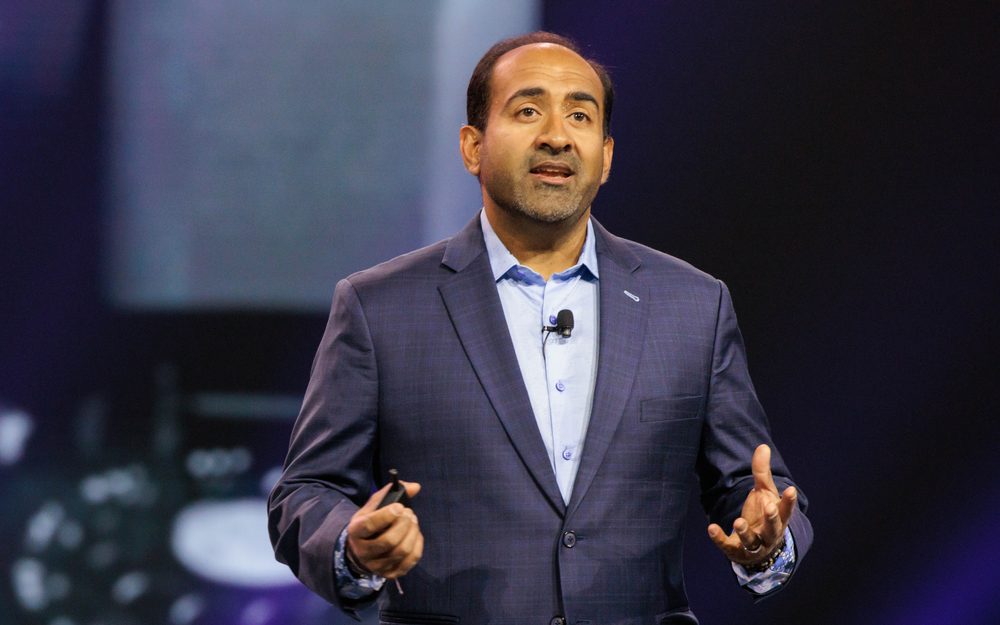
Bring this trend and more to your group with a customized keynote presentation or workshop session with Rohit Bhargava. Non-Obvious Thinkers win the future. Let’s explore how we can help you do this for yourself.
Learn More & Check Availability
Want More Non-Obvious Ideas?
The Non-Obvious Insights Newsletter brings you the five or six most fascinating and overlooked stories of the week, with a quick take on why each one matters.
One email every Thursday. No spam, unsubscribe anytime.
The Non-Obvious Insights Newsletter
The most interesting stories of the week, and why they matter. Join more than 25,000 readers.
One email every Thursday. No spam, unsubscribe anytime.