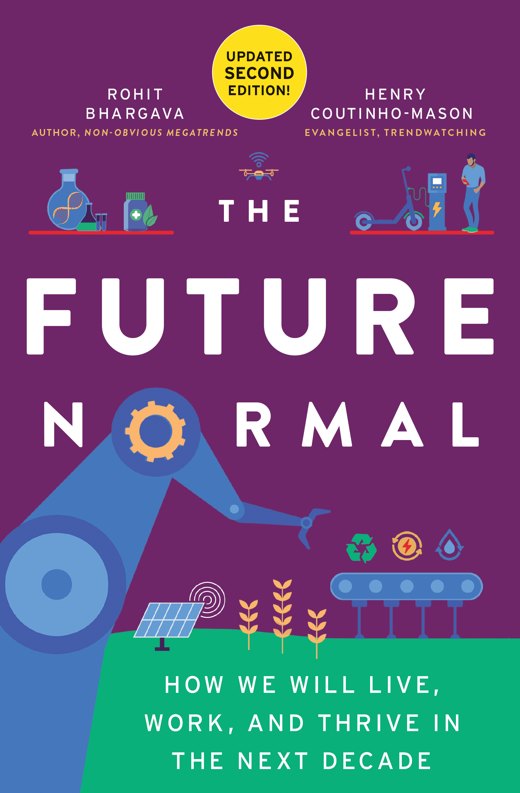
The Future Normal · Part 2

Secondhand Status
What if buying pre-loved goods became a sign of savviness and source of pride?
What if buying pre-loved goods became a sign of savviness and source of pride?
The Trend
Buying used has shed its stigma and become a signal of taste, thrift and environmental awareness, and resale platforms let sellers show off their own entrepreneurialism on top of it. Depop hosts nearly two million micro-entrepreneurs, 90 percent of them under 25, and its first seller to hit a million pounds in sales was 24 years old. In the future normal, a growing share of consumers will see buying new as inefficient, the way some people already view buying a new car.
The Instigator
A Singapore-based Resale-as-a-Service platform that lets luxury brands run resale for their own customers. Starting in late 2021, Net-a-Porter customers could drop items at collection points or request a home pickup, after which Reflaunt values, photographs, describes and lists them across its network of resale marketplaces. Its pricing algorithm pays out store credit before the item even sells, and Balenciaga and GANNI use the platform too.
Imagining The Future Normal
What if technology could increase confidence in shopping for secondhand items?
Virtual try-ons are becoming commonplace online, but what if these tools could generate hyperrealistic visualizations of how used clothing would look on your body or how pre-owned furniture items would fit in your home? These AI-powered tools could drive purchases by allowing shoppers to “experience” secondhand items virtually before purchasing.
What if we could automate the authentication process?
Right now, it is a costly task for resale platforms to verify the authenticity of high-end items. But if AI can verify authenticity more reliably than human experts (or make it exponentially easier and quicker for experts to verify items), it will be possible to increase trust across a far wider spectrum of items and remove a major barrier to buying secondhand.
What if real-time value estimation makes ownership more “liquid”?
Imagine if you could view the potential secondand third-life resale value of any item. Or a tool that could proactively estimate the value of items you already own and suggest which items to keep, sell immediately, or hold for maximum future value. In this future, people may begin treating all types of possessions as “liquid” financial assets.
Want To Use These Trends?
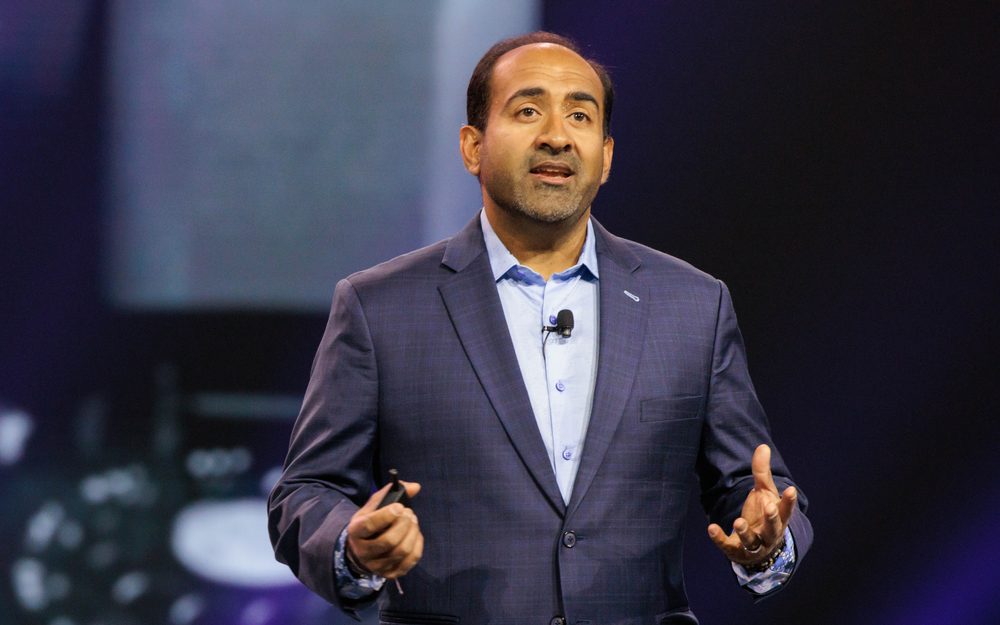
Bring this trend and more to your group with a customized keynote presentation or workshop session with Rohit Bhargava. Non-Obvious Thinkers win the future. Let’s explore how we can help you do this for yourself.
Learn More & Check Availability
Want More Non-Obvious Ideas?
The Non-Obvious Insights Newsletter brings you the five or six most fascinating and overlooked stories of the week, with a quick take on why each one matters.
One email every Thursday. No spam, unsubscribe anytime.
The Non-Obvious Insights Newsletter
The most interesting stories of the week, and why they matter. Join more than 25,000 readers.
One email every Thursday. No spam, unsubscribe anytime.