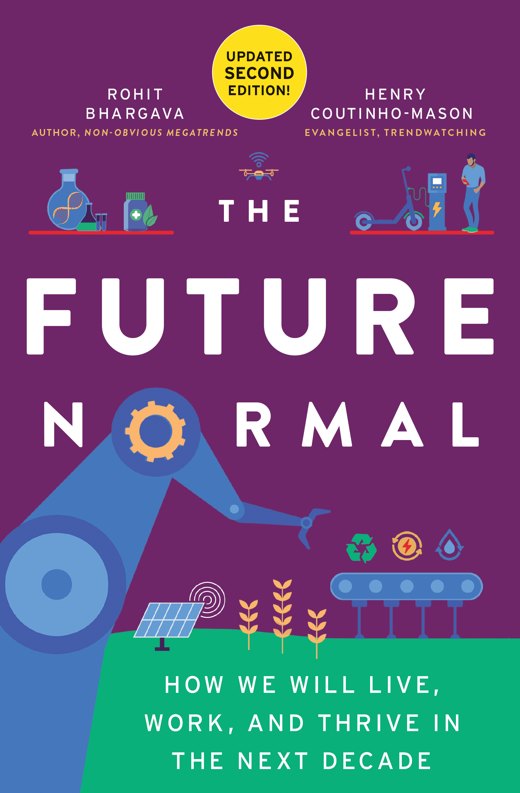
The Future Normal · Part 1

Psychedelic Wellness
What if mainstream medicine tuned into the mental health benefits of psychedelics?
What if mainstream medicine tuned into the mental health benefits of psychedelics?
The Trend
Psilocybin, ketamine and MDMA are moving out of counterculture and into clinical trials for depression, PTSD and obsessive compulsive disorder. Early results are striking: in one program 80 percent of participants saw their depression scores drop by at least half, and some patients report relief for up to 18 months after a single dose paired with psychotherapy. In the future normal, rising mental health need and treatment costs will push more clinicians and patients to treat psychedelic therapy as a serious option rather than a fringe one.
The Instigator
A German entrepreneur about as far from the countercultural stereotype as it is possible to get, who says he has never smoked or drunk alcohol and made his first fortune founding a pharmaceutical company at 21. After a 2014 experience with magic mushrooms that he calls the single most meaningful thing he has ever done, he put his money and his network behind bringing these compounds to a wider audience. He was lead investor in COMPASS Pathways, whose synthetic psilocybin has been designated a breakthrough therapy for treatment-resistant depression, and helped take ATAI Life Sciences public.
Imagining The Future Normal
How will psychedelic wellness go mainstream without diluting quality?
The current therapist-to-patient ratio makes it difficult to scale psychedelic experiences safely, yet demand is surging. Some clinical providers are leveraging AI to analyze sessions, enabling therapists to support patients more efficiently.
What if we could make psychedelic drugs more convenient?
AI is also making the process of drug discovery faster and cheaper. An Australian startup is working to develop a non-hallucinogenic drug that mimics the therapeutic impact of conventional psychedelics. If successful, it wouldn’t require specialist administration or supervision, making it more clinically viable.
What if technology could enhance the “set and setting” during a trip?
Research shows that music profoundly shapes the emotional trajectory of psychedelic experiences. AI can generate music that responds to patients’ emotional states in real time. In the future these adaptive environments will expand beyond sound to include dynamic lighting, visuals, or even temperature to create an optimal experience for each patient.
Want To Use These Trends?
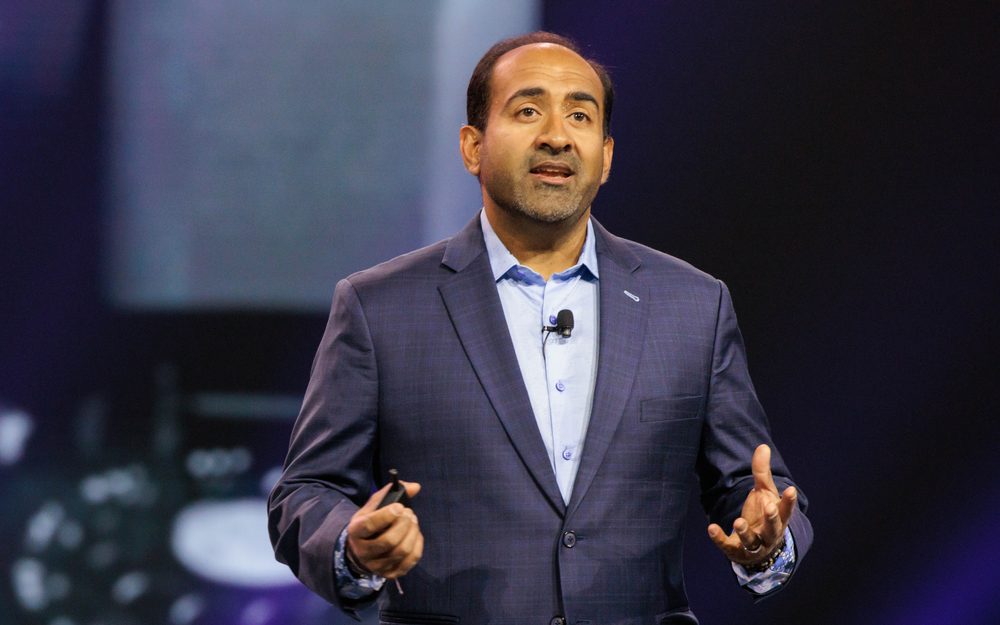
Bring this trend and more to your group with a customized keynote presentation or workshop session with Rohit Bhargava. Non-Obvious Thinkers win the future. Let’s explore how we can help you do this for yourself.
Learn More & Check Availability
Want More Non-Obvious Ideas?
The Non-Obvious Insights Newsletter brings you the five or six most fascinating and overlooked stories of the week, with a quick take on why each one matters.
One email every Thursday. No spam, unsubscribe anytime.
The Non-Obvious Insights Newsletter
The most interesting stories of the week, and why they matter. Join more than 25,000 readers.
One email every Thursday. No spam, unsubscribe anytime.