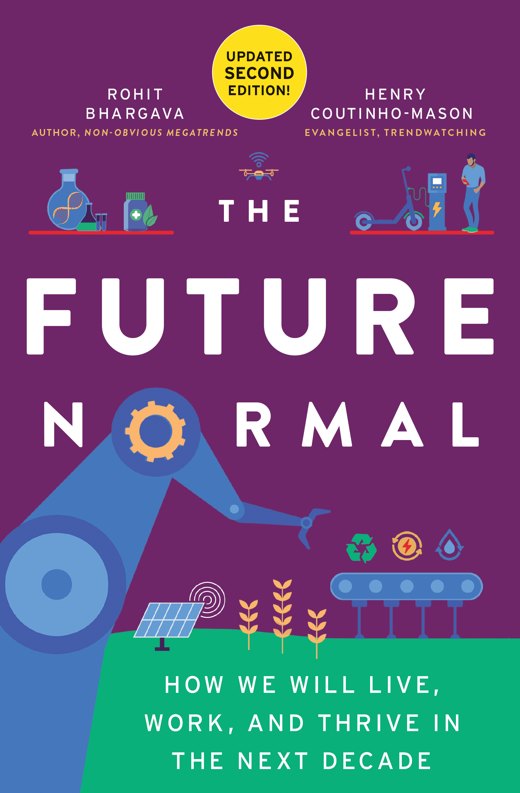
The Future Normal · Part 1

Ambient Health
What if buildings and homes protected and even boosted our health and well-being?
What if buildings and homes protected and even boosted our health and well-being?
The Trend
The buildings we live and work in are being redesigned to actively improve health rather than simply provide shelter. Light, air quality, acoustics, movement and even the food on offer are becoming measurable design decisions, and with 78 percent of US adults over 55 living with at least one chronic condition, most of which are shaped by lifestyle, the stakes are high. In the future normal, we will expect our homes, offices and the public spaces between them to boost our well-being and performance, not just keep the rain off.
The Instigator
Launched in 2014, the WELL Building Standard is the world’s first building certification focused on human health rather than energy use, scoring buildings on natural light, clean air, good acoustics and whether the catering actually offers fresh fruit and vegetables. Three Garden Road in Hong Kong earned Platinum status partly for a staircase painted to look like a garden path, a piece of visual trickery meant to tempt people away from the escalator beside it. Growth has been rapid as employers try to make returning to the office worth the trip.
Imagining The Future Normal
What if ambient health could move from reactive to predictive?
What if your workspace could predict a midafternoon productivity slump based on CO levels and proactively adjust the ventilation? Or if your home could signal illness days before symptoms appear based on your movements? The next phase of ambient health will use AI to identify intricate correlations and automatically use that information to take action.
How will we ensure people feel empowered, not surveilled?
If your environment can capture such intimate health data, the relationship between people and spaces fundamentally changes. The real key to wider acceptance will be transparency, coupled with privacy and/or an option to opt out of having data collected about you and your behaviors.
How do we avoid ambient health technology infantilizing us?
What happens to human resilience when our surroundings constantly optimize for our comfort? Similar to GPS technology negatively impacting many people’s spatial memory, this is the coming danger of technology that gets too proactive or predictive in its quest to protect us from ourselves.
Want To Use These Trends?
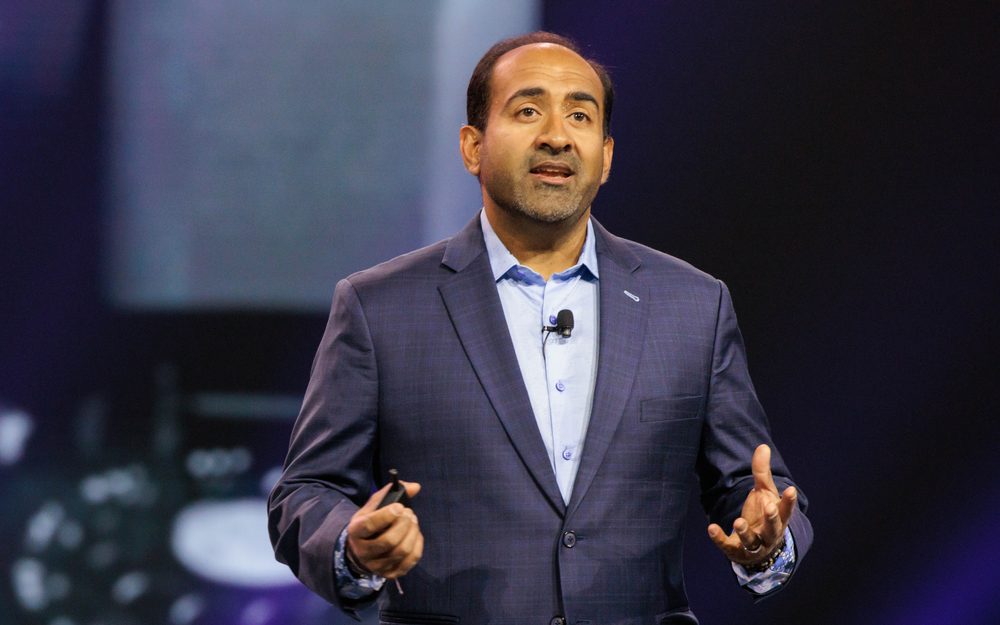
Bring this trend and more to your group with a customized keynote presentation or workshop session with Rohit Bhargava. Non-Obvious Thinkers win the future. Let’s explore how we can help you do this for yourself.
Learn More & Check Availability
Want More Non-Obvious Ideas?
The Non-Obvious Insights Newsletter brings you the five or six most fascinating and overlooked stories of the week, with a quick take on why each one matters.
One email every Thursday. No spam, unsubscribe anytime.
The Non-Obvious Insights Newsletter
The most interesting stories of the week, and why they matter. Join more than 25,000 readers.
One email every Thursday. No spam, unsubscribe anytime.