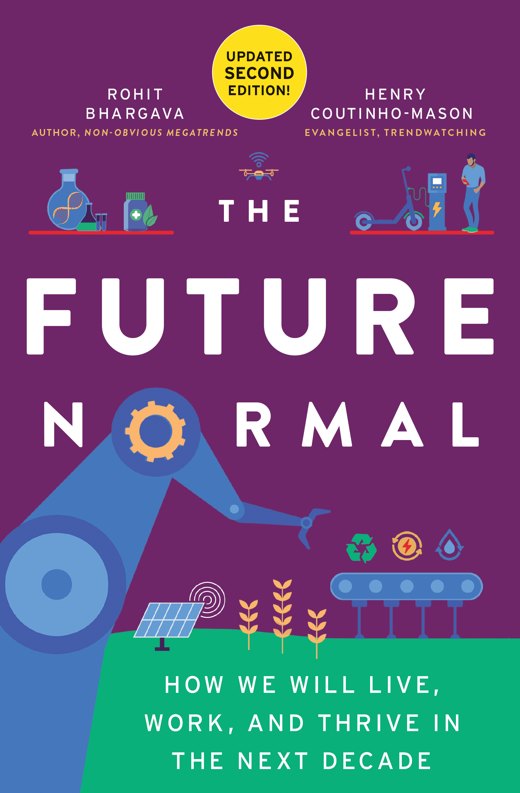
The Future Normal · Part 1

Ending Loneliness
What if closing the generation gap could cure loneliness at any age?
What if closing the generation gap could cure loneliness at any age?
The Trend
Loneliness is being treated less as private misfortune and more as a design problem that housing, policy and media can help solve. Putting generations back into daily contact turns out to help the young as much as the old. In the future normal, intergenerational and cross-cultural living will move from documentary curiosity to an ordinary choice, helped along by immigrants from cultures where it never stopped being normal.
The Instigator
Residents of this apartment complex in Helsingborg, Sweden sign a contract agreeing to socialize with their neighbors for at least two hours a week. Half of the 51 apartments go to people over 70, the rest to adults aged 18 to 25 and to ten people who arrived in Sweden as child refugees. Shared kitchens, a yoga room, gaming rooms and outdoor grills are all designed to make interaction unavoidable, which is the point: one 20-year-old resident described being pleasantly forced to go around and meet people.
Imagining The Future Normal
How can technology enable connection instead of amplifying isolation?
It has been argued that the real existential risk of AI is loneliness. As more and more people turn to virtual companionship (see chapter 6), the question of how to design these AI tools to encourage human-to-human connection will become ever more urgent.
What if we had digital assistants helping us connect?
What if AI could proactively identify connection opportunities by analyzing group chats, local message boards, and other signals and pair them with geolocation data to encourage serendipitous connections? Rather than just suggesting potential matches, these systems could facilitate and help plan real interactions in person.
What new emotional bonds will we form with technology?
As advances in robotics merge with the capability of creating higher-fidelity digital versions of ourselves, the future may bring us new forms of “partially human” interaction that are richer and more practical than a video call. As these hybrid interactions become widespread, it will raise new questions about how “real” these digital relationships might feel and how we relate to the people behind them.
Want To Use These Trends?
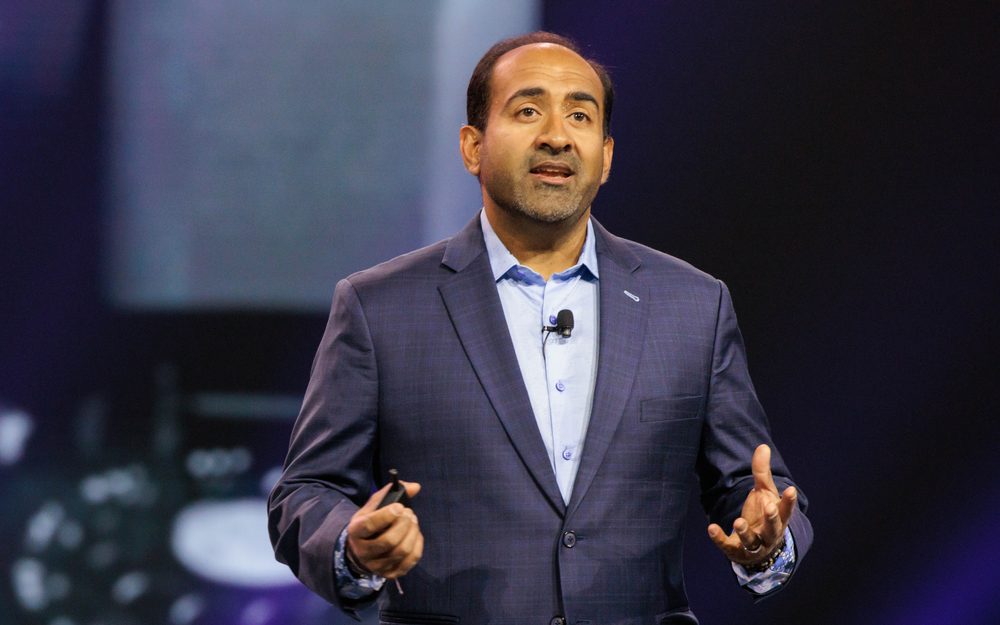
Bring this trend and more to your group with a customized keynote presentation or workshop session with Rohit Bhargava. Non-Obvious Thinkers win the future. Let’s explore how we can help you do this for yourself.
Learn More & Check Availability
Want More Non-Obvious Ideas?
The Non-Obvious Insights Newsletter brings you the five or six most fascinating and overlooked stories of the week, with a quick take on why each one matters.
One email every Thursday. No spam, unsubscribe anytime.
The Non-Obvious Insights Newsletter
The most interesting stories of the week, and why they matter. Join more than 25,000 readers.
One email every Thursday. No spam, unsubscribe anytime.