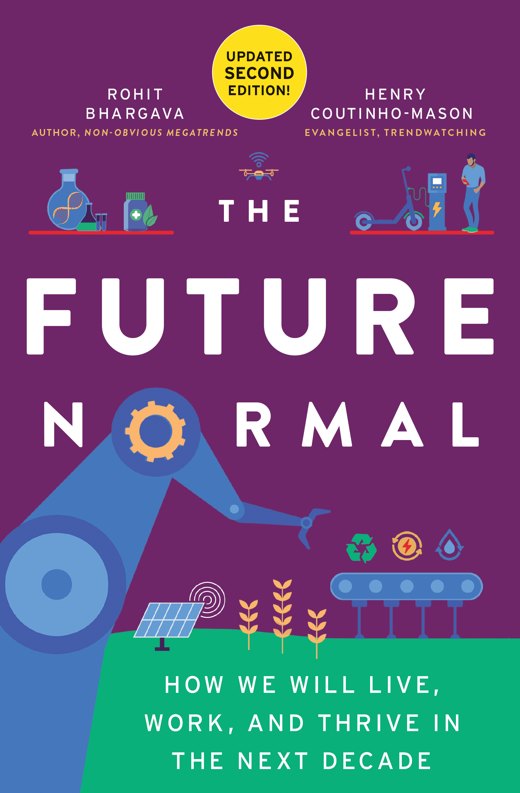
The Future Normal · Part 2
Augmented Creativity
What if artificial intelligence could make humans more creative?
What if artificial intelligence could make humans more creative?
The Trend
Generative AI is collapsing the time, effort and skill required to produce writing, images, music and film, cutting work that took weeks down to hours. Rather than replacing creative people, the tools expand what any one person can make and hand the largest advantage to those who direct them well. In the future normal, creative output will be radically democratized, and a class of far more productive super-creators will emerge from those who channel these new powers most effectively.
The Instigator
Coding is an art form requiring both technical and creative problem solving, which makes GitHub’s AI coding assistant a clear window into how creative work is changing. Launched in 2022 at $10 a month, it turns text prompts into working code, flags likely errors and suggests fixes, and drew 400,000 paying subscribers within a month. CEO Thomas Dohmke has said that in files where it is enabled, Copilot writes up to 35 to 40 percent of the code, and GitHub’s own study found users felt both more productive and more fulfilled.
Imagining The Future Normal
What if human collaboration is the ultimate creative advantage?
The scarcest resource in the future won’t be creative output, but distribution and whether people care. Smart creators will collaborate to craft deeper, richer, and more trusted shared visions of what comes next. In this sense, the ability to collaborate simultaneously with humans and technology will become the real future skill set in creating work that matters.
What does a creative education look like?
As technical skill becomes less of a barrier, other human creative abilities will increase in value: creative vision, asking original questions, taste and curation, ethical judgment, authentic storytelling, and the ability to build upon what generative AI creates. The urgent need to equip people to develop these skills will drive entire industries and create more opportunity.
What if “creativity” was distributed across an organization?
What if a finance team could imagine and then prototype their own dashboard designs? Or customer service representatives could create novel workflows simply by dictating what they would like, and see AI build the prototype? This is what distributed creativity looks like, and it will likely impact everything from the speed of innovation to the inclusiveness of where game-changing ideas come from.
Want To Use These Trends?
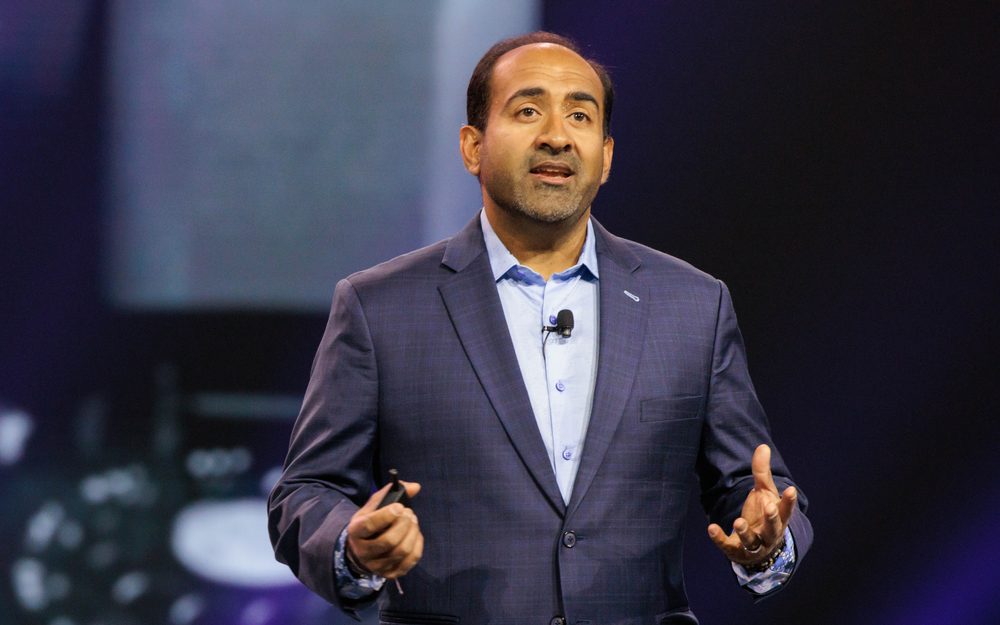
Bring this trend and more to your group with a customized keynote presentation or workshop session with Rohit Bhargava. Non-Obvious Thinkers win the future. Let’s explore how we can help you do this for yourself.
Learn More & Check Availability
Want More Non-Obvious Ideas?
The Non-Obvious Insights Newsletter brings you the five or six most fascinating and overlooked stories of the week, with a quick take on why each one matters.
One email every Thursday. No spam, unsubscribe anytime.
The Non-Obvious Insights Newsletter
The most interesting stories of the week, and why they matter. Join more than 25,000 readers.
One email every Thursday. No spam, unsubscribe anytime.