What’s In This Issue?
This Week’s Main Stories
 Story 01How Netflix Solves Content Overload with the Entertainment Industry's Best User Interface Design
 Story 02The Lost Emotion of "Perfectly Colorized" Old Black & White Photos
 Story 03The Most Idiotic Idea In America Is Getting Worse ... and No One Seems Ready To Change It
 Story 04The True Story of How America Killed the Jalapeño Pepper
 Story 05Imagining the Future Of Hip Hop and Art In 50 Years
 Story 06Correction:
How Netflix Solves Content Overload with the Entertainment Industry's Best User Interface Design
How does a company that offers more than a billion hours of programming make it less intimidating to find something to watch? This is a problem Netflix has been working on for well over a decade. In a rare behind-the-scenes interview, Fast Company shared a Q&A with Netflix VP of design Steve Johnson about how exactly Netflix makes it easier for people discover new shows without getting frustrated and giving up.
The interview ranges from discussing the thinking behind Netflix's popular Top 10 lists, how the platform deals with password sharing accounts that mask who's actually watching, whether the platform may add some sort of "channel surfing" feature, and the instant joy of starting to watch something mid-way through instead of from the beginning.
Rather than making moves to scale back programming, like with Disney's recent choice to limit their Marvel superhero universe to only two shows and three films in the coming year, Netflix is making the strategic choice to supercharge their interface instead. It's a smart bet. After all, content overload shouldn't really be a problem if you can always quickly find something you actually want to watch.
The Lost Emotion of "Perfectly Colorized" Old Black & White Photos
A photographer edited and colorized 30 vintage black and white photos. His intention was to "breathe life into these vintage snapshots, turning monochrome memories into vibrant realities." Some of the images look strangely AI-generated with the colorizing. Others look fairly good, but the very act of adding color removes some of the intrigue and romance from the original image.
Though the post about these photos is more "clickbaity" than I would usually share, it struck me while looking at the gallery how the very attempt to add more richness and emotion to a scene through color can sometimes end up accomplishing the opposite. How many situations in our lives might be better if we could keep them in their glorious original black and white formats instead of always trying to colorize everything? There is always beauty in imagining the details you don't see.
The Most Idiotic Idea In America Is Getting Worse ... and No One Seems Ready To Change It
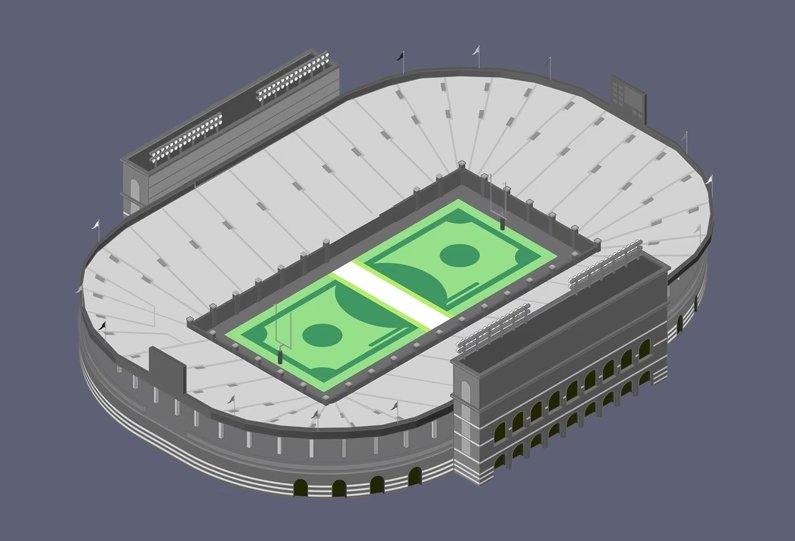
Here's an oversimplified but basically accurate sales pitch for publicly funded stadiums: you (the taxpayer) give millions of dollars in tax incentives to pay for a stadium, but instead of having any ownership of this asset or ability to make money on the profits it will surely generate, you agree to put those profits into the hands of a small number of super rich sports team owners. Forever. And then you do it again and again and again across the country.
Welcome to the most idiotic idea in America. Every argument about the public benefit of stadiums has been widely debunked. They don't drive local jobs in the community. They don't generate tourism dollars. They don't increase local property values. Instead they "mostly just transfer wealth from taxpayers to the owners of sports franchises." Nine years ago, news comedian John Oliver made many of the same arguments against publicly funded stadiums on his show. That was 2015 and since then nothing has changed.
So why does this sucker's deal keep getting made? The biggest reason is that most city councils and local communities are deathly afraid to call the bluff from billionaire sports franchise owners who threaten to move their teams if they don't get a new stadium. Maybe some of them aren't actually bluffing. And this fear of having a team leave keeps local government officials and the public from demanding what seems like the simplest compromise of all: approve the incentives, pay for the stadium, and as part of the deal, demand a fair share of the profits in perpetuity after the stadium is built. Why is no city or township doing this? If you have any insights, please share!
The True Story of How America Killed the Jalapeño Pepper
Have you noticed that the jalapeño pepper seems to be getting less and less spicy? For the longest time, I figured this was just a personal issue with my spice-adjusted Indian taste buds, but it turns out jalapeño peppers are indeed getting less spicy, because Americans are intentionally making them like that.
This is the "great chili pepper controversy" and it's been decades in the making. If you want to listen to a fascinating story of farming gone wrong (or perhaps right, depending on your perspective), have a listen to the Slate Decoder Ring show -- or just read the transcript here.
The explanation is that a less spicy jalapeño is more versatile for use in salsas and other shelf stable Mexican food products. You can always make something more spicy by adding chili but you can't make it less unless you start with already mild peppers. So how did they make them? Cross breeding bell peppers with jalapeños did the trick ... and the guy behind it all was known as Dr. Pepper. That's who you have to blame for those bland useless jalapeños. Thankfully, he's retired now so it's unlikely he'll be able to do any further damage by getting his hands on the habanero pepper too.
PS - I also found a useful blog post with some good tips on how to select a spicy jalapeño pepper versus a milder one.
Imagining the Future Of Hip Hop and Art In 50 Years
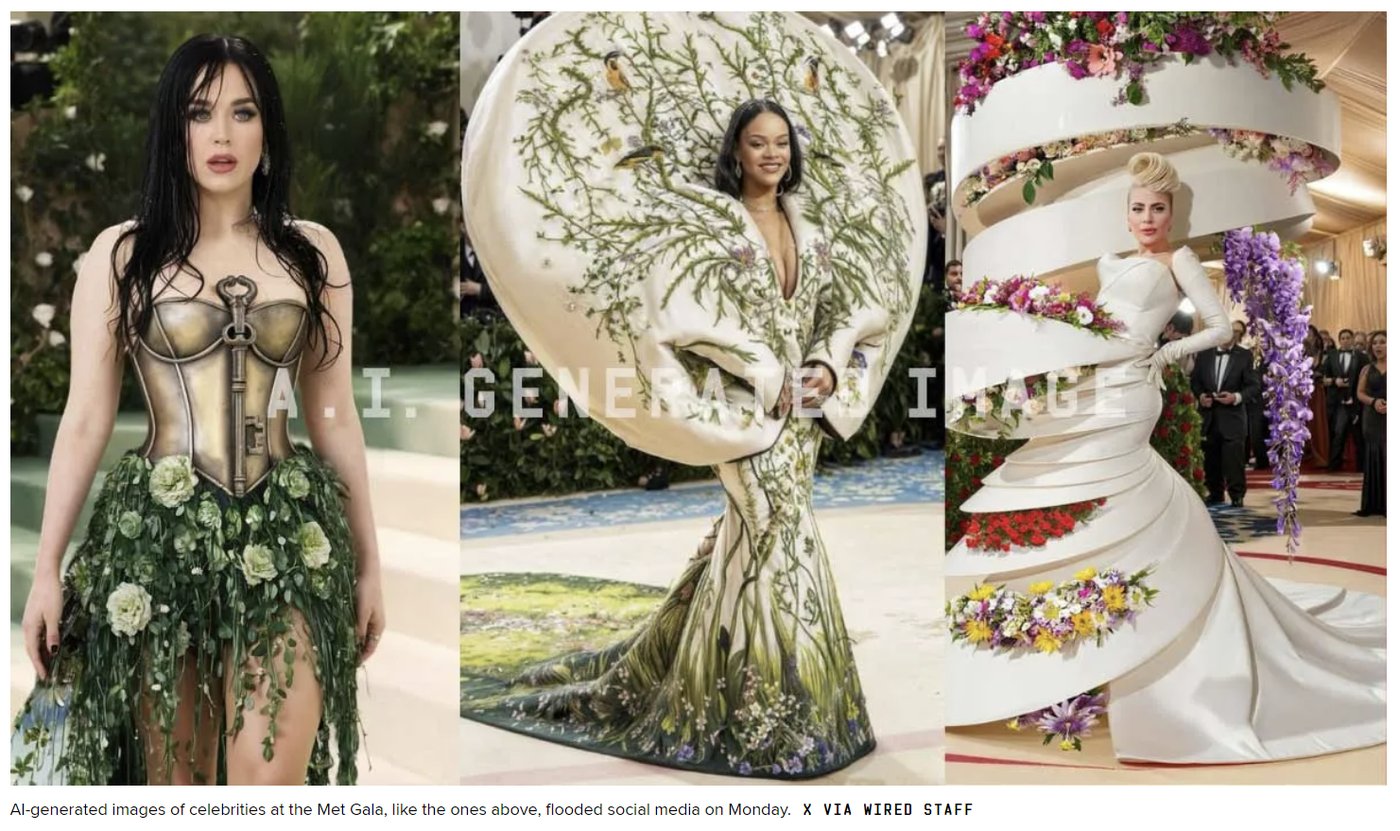
The day after the Met Gala, the Internet was flooded with deep fakes of celebrities who weren't there wearing things they never wore. Some of them were pretty convincing. The future of art, fashion, and music will see all sorts of disruptions in the coming years from technology like this. Where is all of this headed?
WIRED magazine imagined a vision of the future of hip hop music 50 years from now. The Afrofuturist story that WIRED contributor C. Brandon Ogbunu and Grammy-winning rapper Lupe Fiasco create paints a future where "technology might also provide novel opportunities for exploration, expansion, and even inclusion."
This is the sort of imagining may end up being the sort of dreamed reality that influences actual reality. Making it a crime for a human artist to portray "a purely AI-created relic as having authentically human elements," or the notion that "human musicians are signed to record labels based on their training data" are fascinating ideas. They both land on what will become the central question for artists and creators of any kind in a generative AI future: what premium value will we place on human creation and what steps will we take to protect it?
Correction:
In last week's edition of the newsletter, Reid Hoffman was incorrectly identified as the founder of Netflix. He is in fact the co-founder of LinkedIn. Reed Hastings is the co-founder of Netflix ... which is clearly confusing when you write too quickly but actually not that confusing if you take the time to pay more attention. I'll do better next week.
- Rohit