What’s In This Issue?
This Week’s Main Stories
 Story 01United Unlocks Excitement by Finally Serving the Neglected Back of the Plane
 Story 02Why We Need a Resurgence of the People Who Hire People
 Story 03Lessons From Utopias, the World's Most Expensive Beer
Even More Stories
- This Rotary Twisting Light Switch From the 1930s Is Going Viral
- Judge in LA Rules That Social Media Is A Gateway Drug and Companies Are Liable For Social Media Addiction Among Teens
- Spotify's new SongDNA feature maps how your favorite songs are connected
- 16 award-winning photographs from around the world
- Confronting the CEO of the AI company that impersonated me
- "Podcast" meant nothing and everything at On Air Fest
- LEGO leak hints at largest set ever—a Sagrada Família model of over 12,000 pieces
- Inside the Sudoku Packing Method That's Inspiring People To Rethink What They Take On A Trip
Media Recommendation
 Echoes of Expo Podcast
Book Of The Week
 Humanish
United Unlocks Excitement by Finally Serving the Neglected Back of the Plane
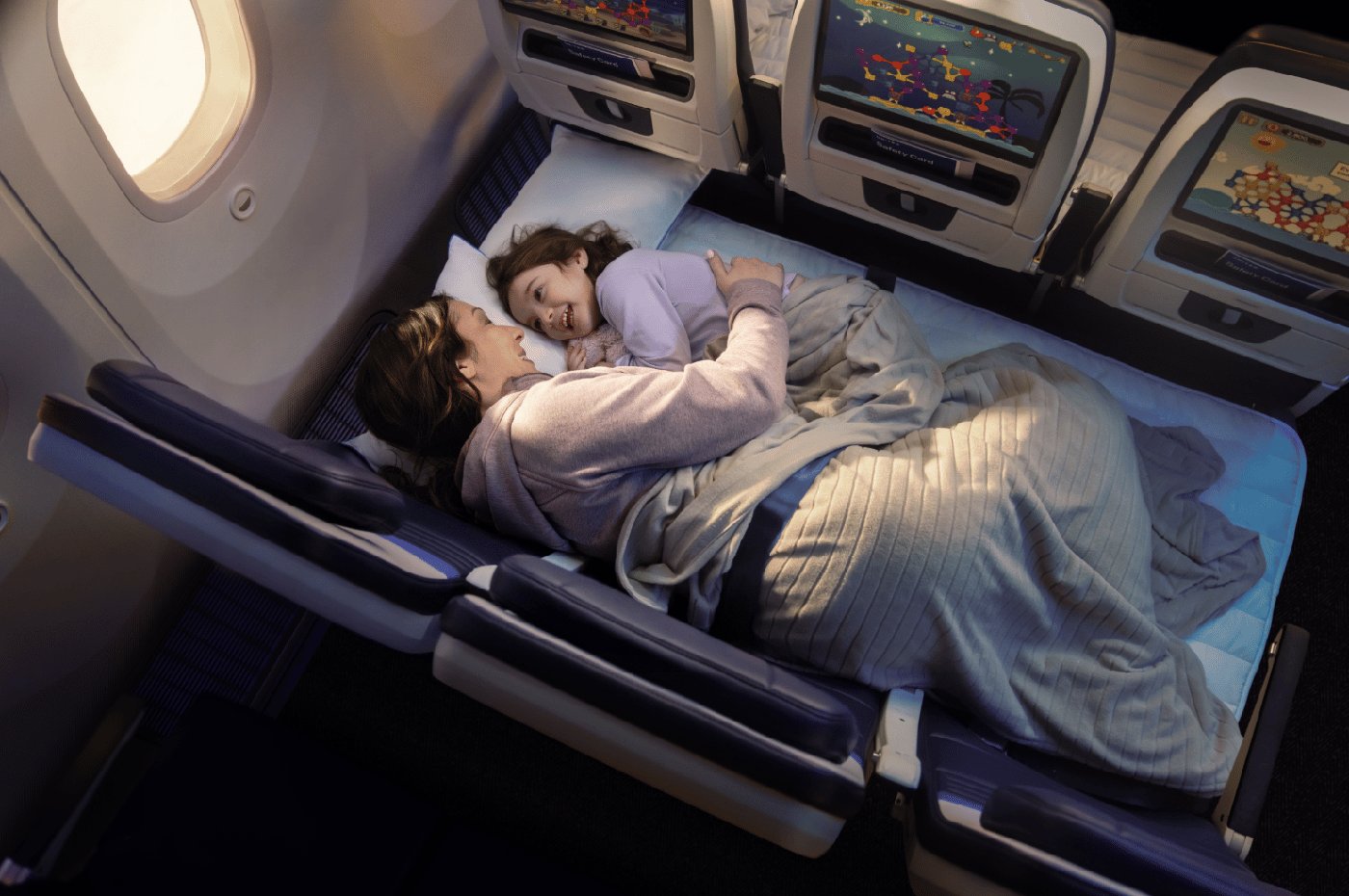
This is a week when travelers could use some good news after hours long delays at airports fueled by political impasse on funding TSA. So the timing is good for United Airlines to announce their newest offering, the Relaxed Row. Unlike most announcements in the airline space that promise some new luxury upgrade for premium (and highly profitable) customers, this is an innovation for the back of the plane. As United's announcement describes:
"United Airlines today announced the United Relax Row: a set of United Economy seats that can transform into a couch, creating a more comfortable option for customers traveling in the United Economy cabin on long-haul flights."
Predictably, the announcement is getting rave reviews and lots of excitement from consumers even though it doesn't officially come out until next year. Aside from being a great idea, it does also point to the sad reality of just how desperate economy class travelers have become for any sort of effort from an airline to make their increasingly pitiful journey with shrinking seats just a little better. Yes, this is also a revenue generating idea from United since these seats will likely be sold at a premium ... but if other airlines are paying attention, it may finally spark some innovation for the other 90% of travelers who aren't sitting in those lie-flat business class seats.
Why We Need a Resurgence of the People Who Hire People
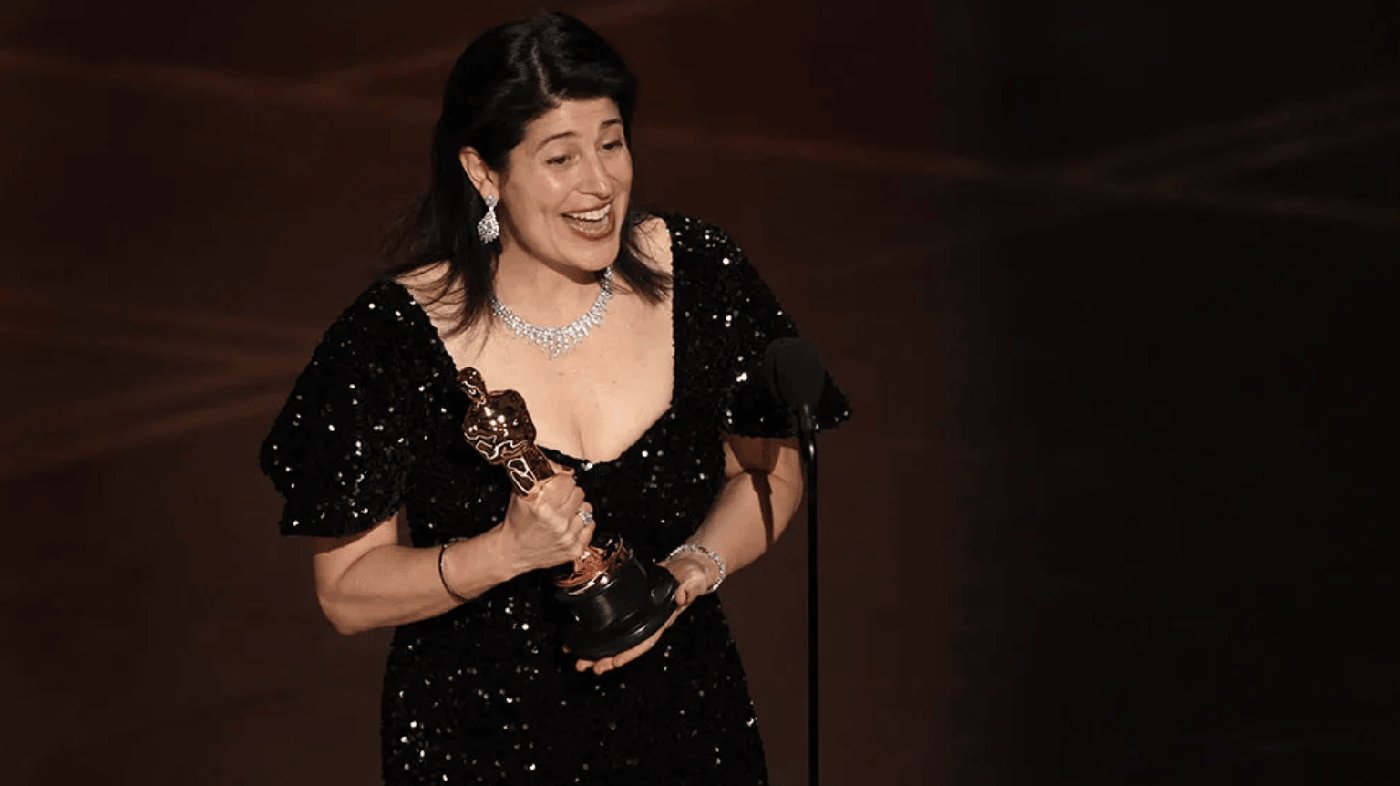
One history making moment from last week's Academy Awards that was easy to forget was the addition of an Oscar for the role of Casting Director. Many in the industry felt this long-overdue award finally recognized the fundamental role that these experts play in the success of a production. Indeed for most iconic movies and shows, it's hard to imagine them with any other actor in the lead role. At a time when we are seeing a large restructuring of workforces and a reimagining of the talent required for businesses in the future, there is remarkably little focus on the professional humans who sit at the center of the business world helping place new leaders, fill gaps and sort through what may be thousands of applicants to find the right fit for any role. The modern casting director of business is the HR director, talent manager or hiring expert. As automation changes the structure of teams, this role should be increasing in importance. You would therefore expect to see lots of conversation online about the future of recruiting. Inspired by reading about that award for casting, I started to dig into this topic and found that this conversation is strangely missing ... apart from AI vendors selling tools to do it for you. Where are the experts imagining the future of recruitment and talent acquisition? Without this, the danger is that more companies turn to AI tools and platforms as a default and the human side of recruiting is lost. So I'm curious about your experience, whether you have (or are currently) in the job search market or have been recently. Are you seeing any equivalents of casting directors in business imagining the future? If so, I'd love to know and spotlight their work.
Lessons From Utopias, the World's Most Expensive Beer
It's a cross between a fine liquor and a reimagined beer. It's also $240 per bottle and banned in 15 states due to having an alcohol content of 30% which is higher than allowed for beer. This is Samuel Adams' Utopias and whether you like beer or not there are some simple business and marketing lessons anyone can take away from this unique product. To start, it's not a one-off idea:
"Utopias was actually born from another Samuel Adams creation — 1992's Triple Bock, the beer industry's first barrel aged beer, which sold for the then-unheard-of price of $100 per case. In 1999, the beer evolved into 'Millennium,' and in 2002 it adopted the name Utopias."
Jim Koch, founder and brewer of Samuel Adams, calls the beer a labor of love since it's not a huge money maker for the brand. Its existence does something interesting for the rest of the beer maker's products too ... underscoring the attention to detail and craftmanship that presumably goes into their other products too. This is the sort of old-school marketing idea that is becoming rarer and rarer to see. A unique product, promoted through an interesting story and something that feels distinctive and new ... even though in theory any beer maker could have done it. There was a time when I would see a lot of ideas like this coming from marketers in all industries. It feels like a while since I've both seen and written about an idea like this which has little to do with technology or AI. Sometimes a good idea stands out simply because it would have worked at any moment in time. That's still worth raising a glass to celebrate.
The Non-Obvious Media Recommendation of the Week
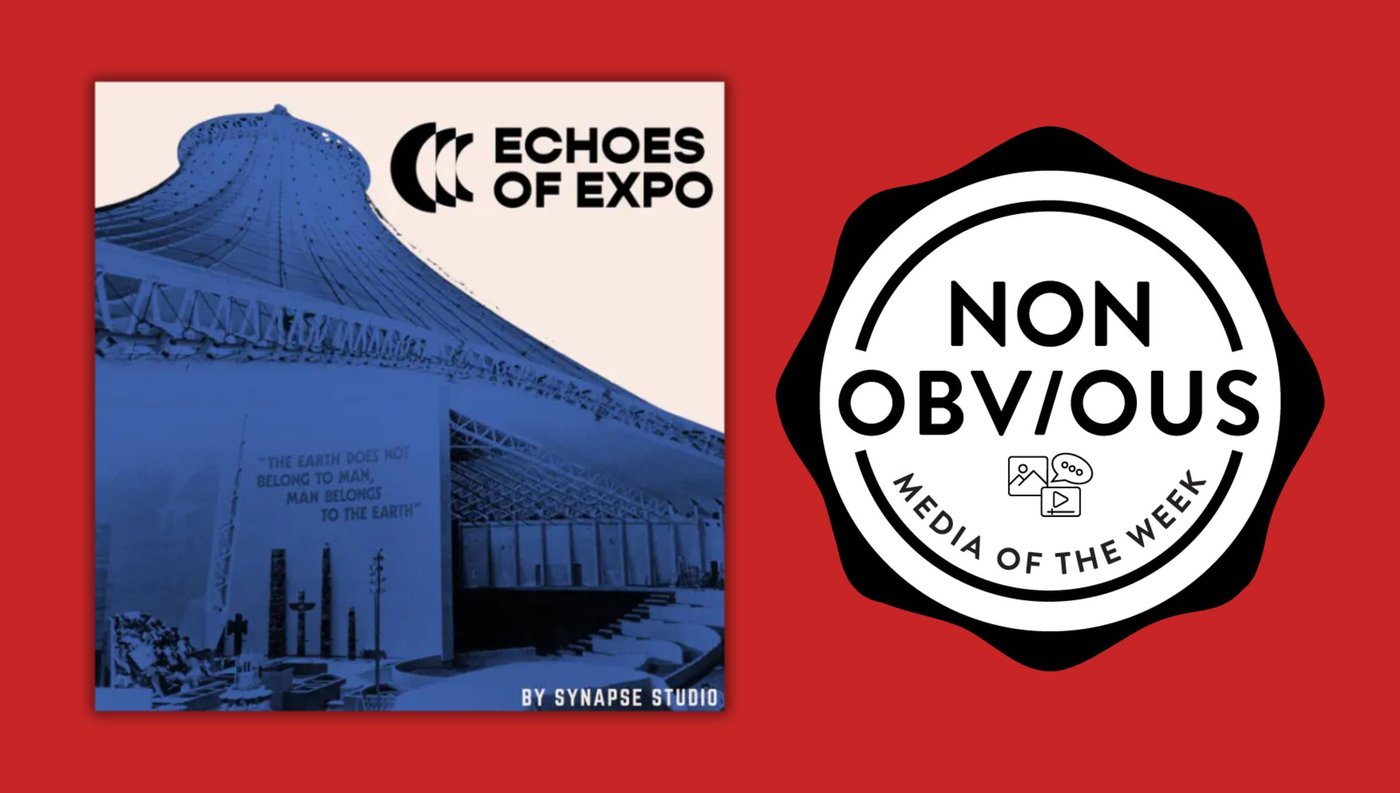
Echoes of Expo Podcast
The tale of the 1974 World's Fair and how the tiny city of Spokane, Washington put itself on the map by hosting is the subject of this seven episode podcast mini-series called Echoes of Expo. It's a format that I've been growing increasingly fond of as it's a way to dig into an interesting part of history without the attention required to watch something on screen. This one came highly rated for me but my reason for sharing as the media recommendation of the week isn't just to suggest this one in particular, but also to encourage you to consider the entire genre of historical podcasts as something to add to your media diet if you haven't already.
The Non-Obvious Book of the Week
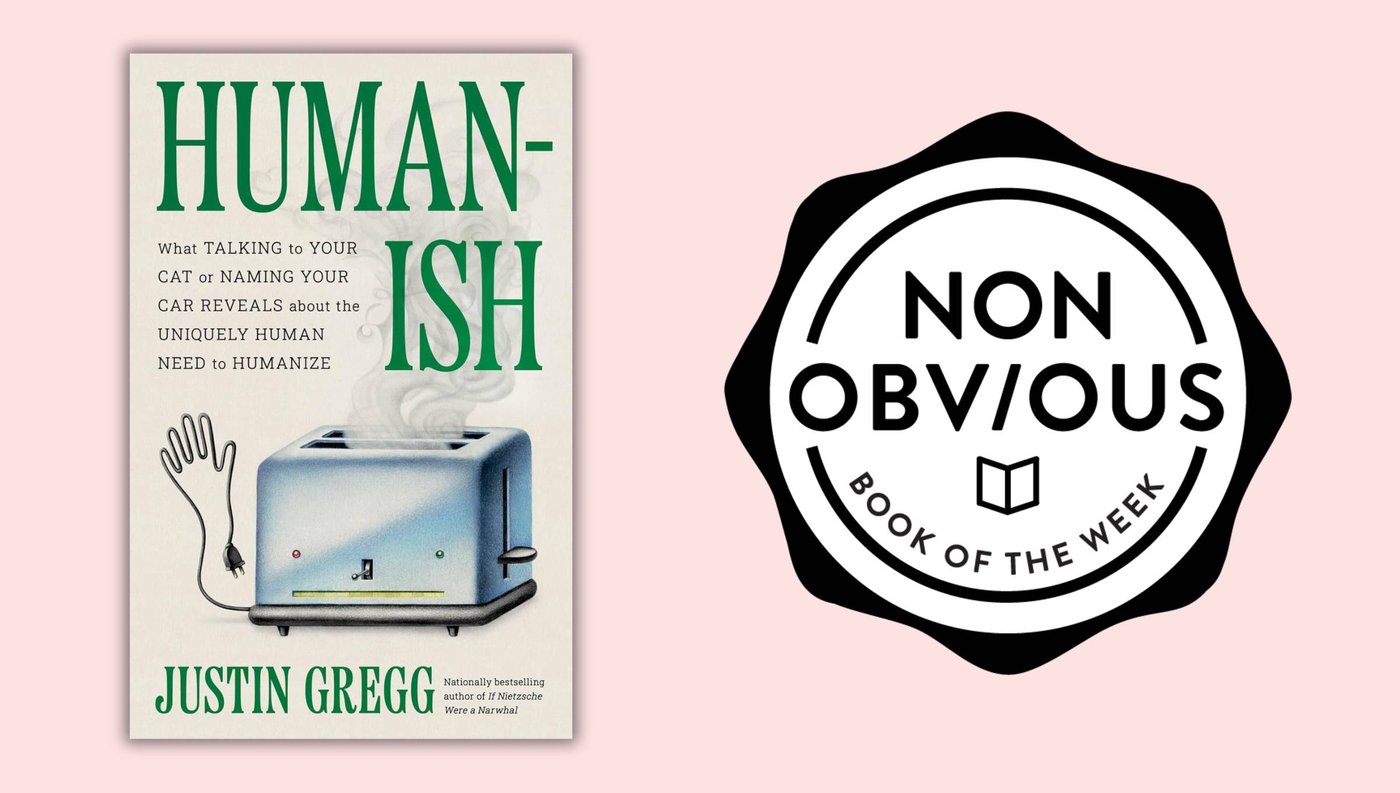
Humanish
Do you talk to your cat or name your car? The good news is, it's perfectly normal and human to do it, according to author Justin Gregg. His first love from a research perspective was dolphins and in his previous writing he talks about what we have learned about their language and why so many women believe in the power of giving birth in the ocean alongside "dolphin doulas." This is just one of the fascinating stories Justin shares in his book that explains the curious human habit of naming inanimate objects (described by science as anthropomorphism). If you want not just to understand the fascinating history of this distinctly human habit but also explore the powerful new questions that this behavior raises in a world where we are already experiencing AI that mimics and supplants human relationships, this book will open your eyes and give you lots of perspective to share.