What’s In This Issue?
 Story 01What Makes Us Judge Something As Being Wrong?
 Story 02The Most Entertaining Car Show On The Planet
 Story 03The Most Powerful Lesson About How To Use AI Without Losing the Ability to Think
 Story 04Glitchenfreude
 Story 05Inner Propaganda*
Even More Stories
- How America Reinvented Yoghurt (or Is It Yogurt?)
- Liquid Death and Garage Beer take on AI data centers — with pee
- This Cafe Serves a New Artistic Dessert Every Weekend, From Renaissance To Tarot-Inspired Ice Cream
- Melting diamond could unlock triple fusion gain and the secrets of ice-giant planets
- Disney patent for a fake-elevation ride trick matches new Encanto ride
- Vinyl Sales Up Again, But Outpaced By CDs
Media Recommendation
 Hypebeast
What Makes Us Judge Something As Being Wrong?
Usually most of us would describe our values as a combination of what we have learned from our families and what we have built from our own experiences. What we don't usually appreciate is just how much the legality of some things might affect how we see them. A new study published in the Journal of Experimental Social Psychology focused on this intersection and offered these insights:
Participants read ten scenarios describing morally relevant behaviors carried out in fictitious countries, such as burning a national flag, using a racial slur, hunting deer, or abandoning a shopping cart, among others. Depending on the experiment and condition, the same behaviors were described as illegal or “not illegal.” Participants rated identical actions as more morally wrong when they were described as illegal rather than not illegal, and they also evaluated the people performing those actions as less moral. Taken together, our findings suggest that laws may do more than regulate behavior or reflect existing moral values: legal status itself can become part of the information people use to decide what is morally right or wrong and how they evaluate the people involved.
The findings offer an interesting explanation for the diverging way that some people see similar actions and judge them as more or less moral. For example, for years it was not illegal to create social media platforms that were proven to be addictive. Then countries started banning social media for teens and the recent landmark settlement from Meta agreeing to pay up to $16.7B to settle its social media harms case illustrates the shift. In a relatively short period of time, something that was long considered a personal choice (how long to use social media for) has now become legislated and forced a huge change in public perception AND policy from Meta.
Perhaps more significant than the financial settlement itself are the anticipated platform changes that may result from the case:
Pending judicial approval, teens on Instagram and Facebook will have a two-hour time limit by default across both platforms; they’ll need parental approval to turn it off. Parents will also have more control over how teens interact with Instagram and Facebook. They can set the default experience to a chronological feed rather than algorithmic and can similarly turn off autoplay by default. Similarly, Meta won’t display the number of likes and reactions on posts by default for teen users.
Taken together, these stories show the powerful connection between laws and perception ... and demonstrate that one of the most effective ways to change our cultural norms around what is considered wrong or right might be to pass some laws quantifying it.
The Most Entertaining Car Show On The Planet
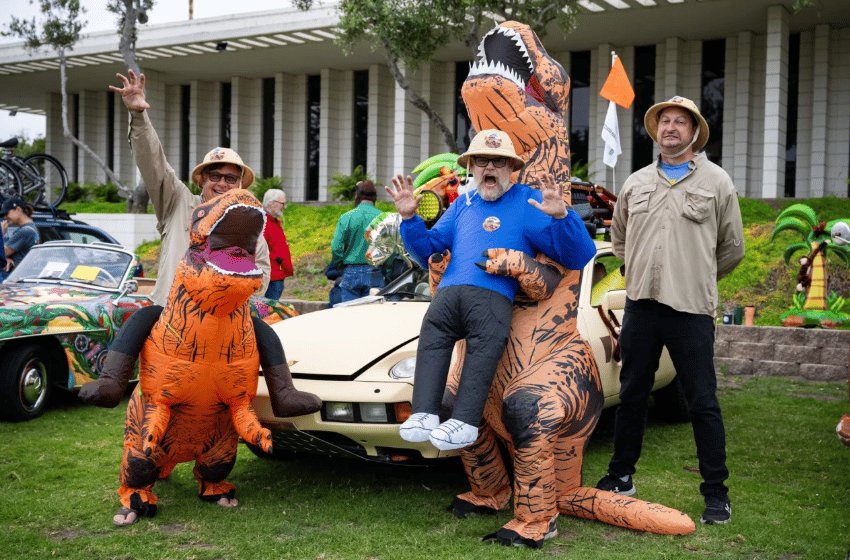
The Concours d'Elegance is a car show that has been happening every August in California since 1950. Owners and enthusiasts alike gather to share their love of mostly vintage cars and the joy of driving. There's a less talked about feature of the show, though, that has been attracting some growing attention: the Concours d'Lemons which celebrates the "un-best of the automotive world." In this corner of the show, people bring the worst cars they can find and showcase them with pride.
From disastrously vandalized old cars to models that were probably a bad idea to build in the first place, the show within the show offers a fun and unique way to appreciate the history of the automotive industry that many would rather forget. It also offers a brilliant marketing hook for a car show that otherwise might only appeal to a smaller group of enthusiasts. This quirky corner of the experience is for everyone else, and offers a perfect reminder that sometimes the best way to add to an experience might be to offer exactly the opposite of what people came there for as a sideshow attraction.
The Most Powerful Lesson About How To Use AI Without Losing the Ability to Think
If you work in any sort of role that requires creative thinking, chances are you have already started to use AI as a brainstorming partner. Whether you consider it a guilty indulgence or a necessary productivity hack, there is some emerging science that this may actually be one of the most common and powerful ways to use AI tools to challenge your thinking and take it in new directions:
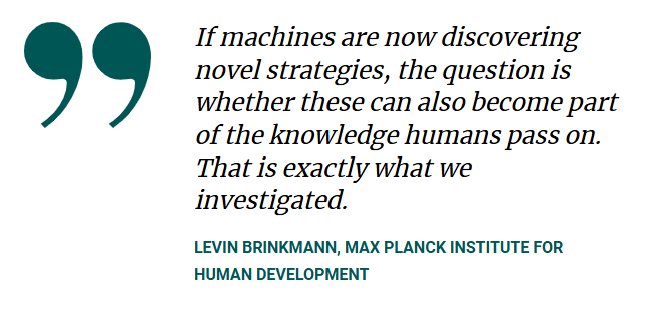
Artificial intelligence can develop solutions that humans would be unlikely to discover on their own. But what happens when machines do more than solve individual problems and actually discover entirely new solution strategies? And can such discoveries become part of human knowledge? If machine discoveries are comprehensible, they can empower people to develop new skills, preserve them over time, and expand our cultural repertoire.
The study not only looked at whether AI could provide these sorts of "novel solutions," but more importantly it considered what would need to happen in order for those solutions to become part of shared human knowledge instead of just a situation where AI does the work on our behalf but we never really increase our own capability as a result. The key, it seems, is that the output needs to be "comprehensible." In other words, if we don't understand what AI has done or what it suggested, then we risk becoming overly reliant on it.
It's hard to imagine a more critical lesson about AI usage that we should all remember and also integrate into every classroom or workplace situation. It's not enough to use AI to come up with the right answer. We have to continually have the discipline and curiosity to ask the question of how it did that and understand the thinking behind the answer. AI doesn't have to make us dumber, but we have to remember to ask the right questions instead just asking detailed questions and blindly copying and pasting the answers.
Glitchenfreude
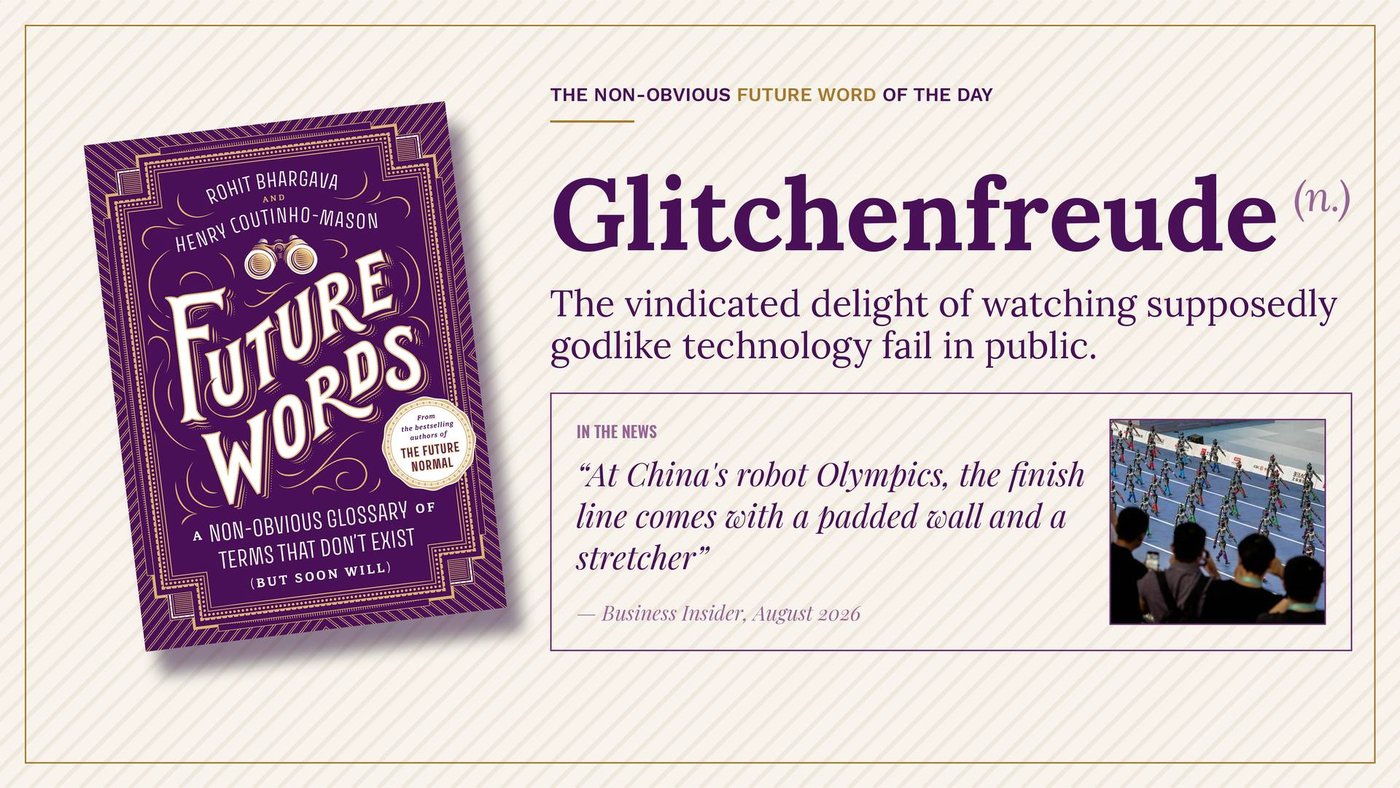
Robots running as fast as Usain Bolt were on full display this past week at the World Humanoid Robot Games in Beijing. While one headline was a bot beating the human record in the 100-meter sprint, the more fascinating part of the story is exactly what part of the video ended up going viral. It wasn't the run, but rather the ending where "the robot ended its sprint by slamming full speed into a padded wall, falling down and being carried away by human assistants." These sorts of epic fail moments from the Robot Games were the ones most widely shared online. In the same week, another video went viral of an Amazon drone dropping a customer package directly into their swimming pool.
Both are examples of a new word we coined in Future Words called "glitchenfreude" (inspired by the German schadenfreude) to describe the delight we increasingly take in watching a robot or other advanced technology fail in embarrassingly public ways. Given the double stories, and more I suspect we will see in the coming weeks and months, this was my pick for the futured Future Word to share with you in this week's newsletter.
Inner Propaganda*
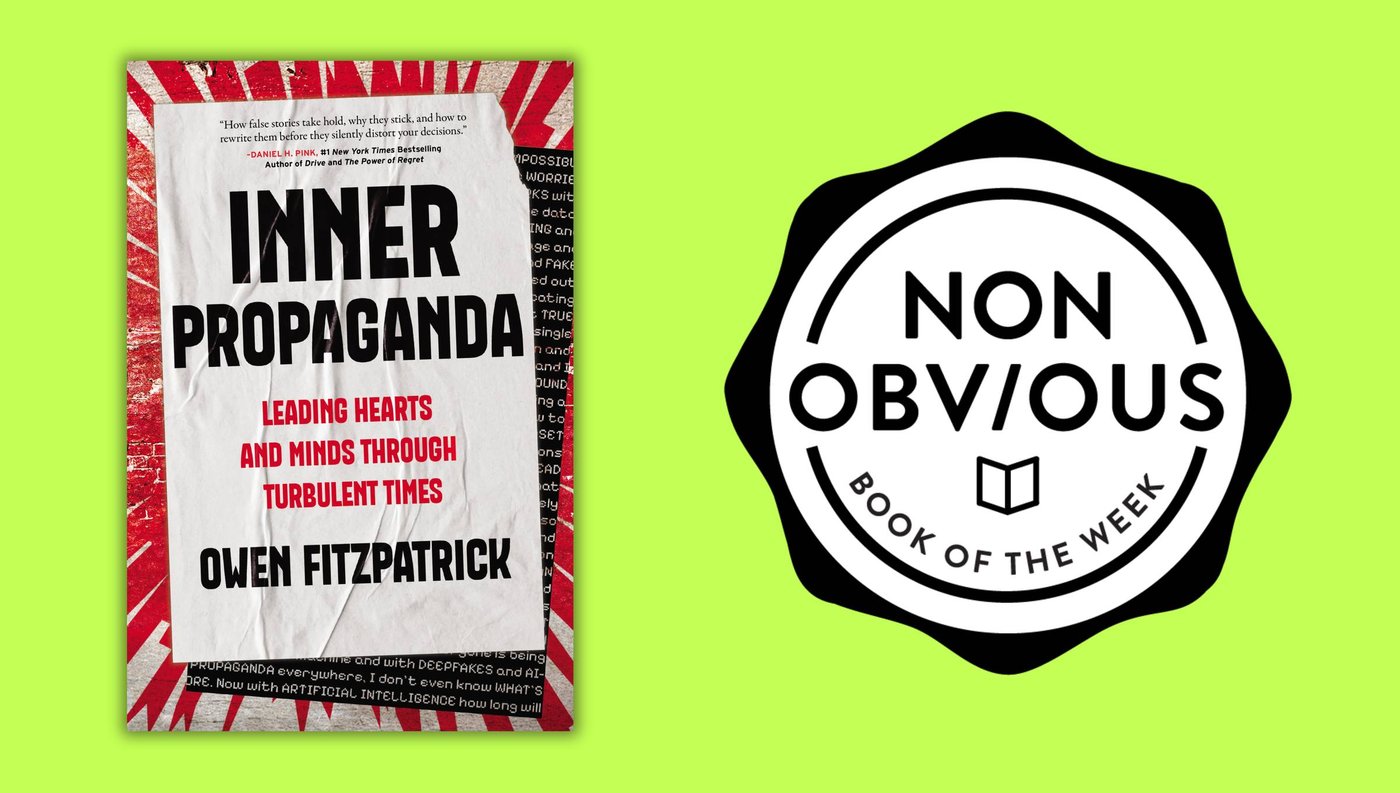
We generally describe propaganda as an insidious form of media that others try to inflict upon you to get you to shift your perspective or to believe in whatever they are selling or promoting. In this book, it is reimagined as a force we sometimes exert on ourselves - at times in positive ways, and other times as a weight that pulls us down. Sharing his personal journey and the challenges he himself had to overcome, psychologist Owen Fitzpatrick reveals how your inner persuasion plays a powerful role in what you believe and allow yourself to accomplish or hold yourself back from doing. If you can learn to understand how these forces work in your own brain, you can understand them in others too. As Owen shares, "your inner story war never ends." Inner Propaganda is a book that will at least help you understand the rules of engagement for that war and give you an upper hand on your own perceptions and beliefs.
*Note - This is an Ideapress book and I advised the author during the development of this book.
The Non-Obvious Media Recommendation of the Week: Hypebeast
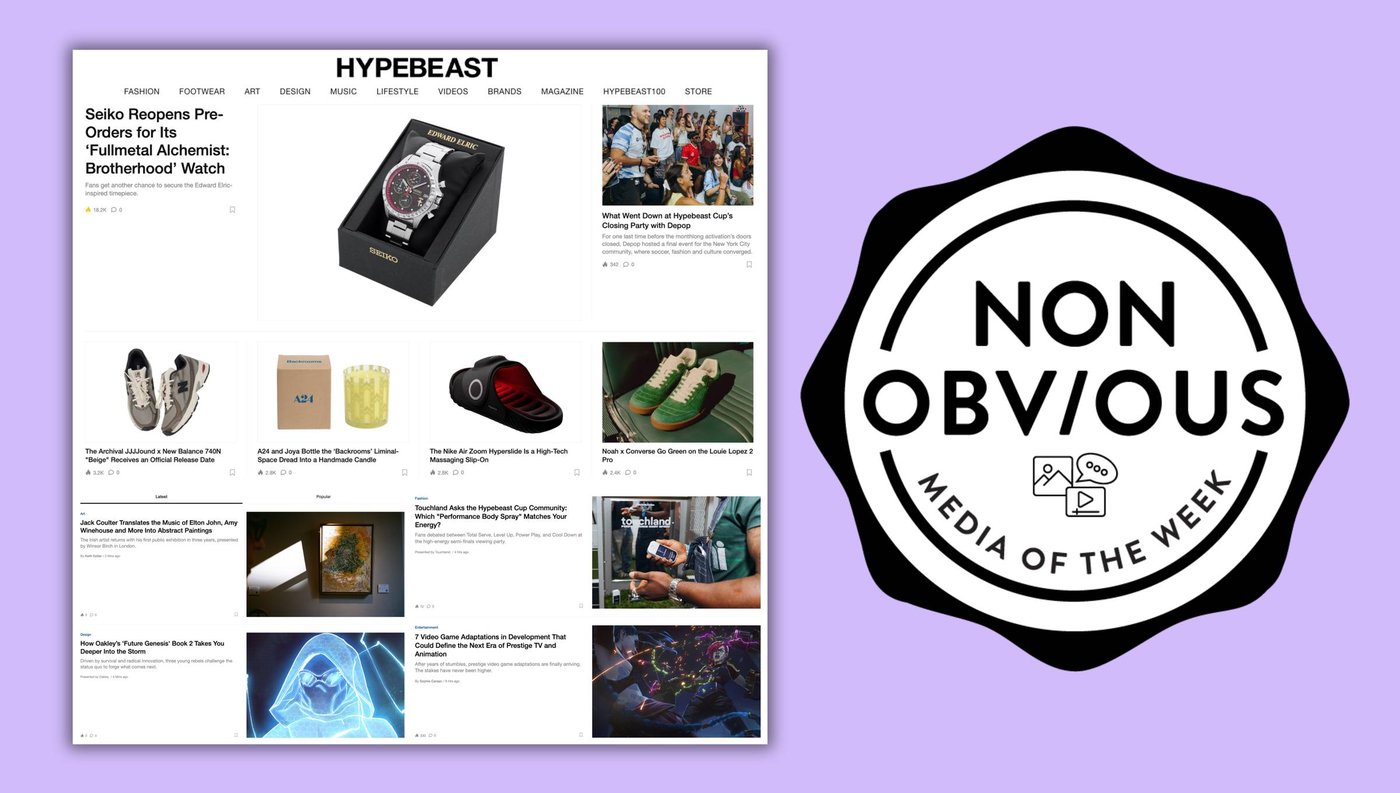
Fried chicken combined with cookie-crusted mashed potatoes (KFC with Oreo!), unexpected brand or celebrity collabs, and the latest exhibits at New York's balloon museum are all trending stories this week on Hypebeast, a site that offers stories about contemporary culture and lifestyle. It's part of a group that publishes a magazine, runs coffee shops in Asia, hosts a global fashion market, and runs a creative agency. The combination of all of these feeds their daily stories, which typically offer coverage of things that you don't see anywhere else. For those reasons, it's one that has been part of my weekly reading list for years and is worth adding to yours too.