What’s In This Issue?
This Week’s Main Stories
 Story 01How AI Is Making April Fool's Day Easier ... and Harder
 Story 02AXA's New Foresight Report Offers 100 Reasons To Love the Future
 Story 03The Disturbing Truth About How Trader Joe's Sources New Products
 Story 04The App That Recreates Social Media's Dopamine Hits Without Actually Letting You Post Anything
 Story 05Harper Collins Identifies Eco-Friendly Fonts To Save Thousands of Trees and Reduce Paper Usage
How AI Is Making April Fool's Day Easier ... and Harder
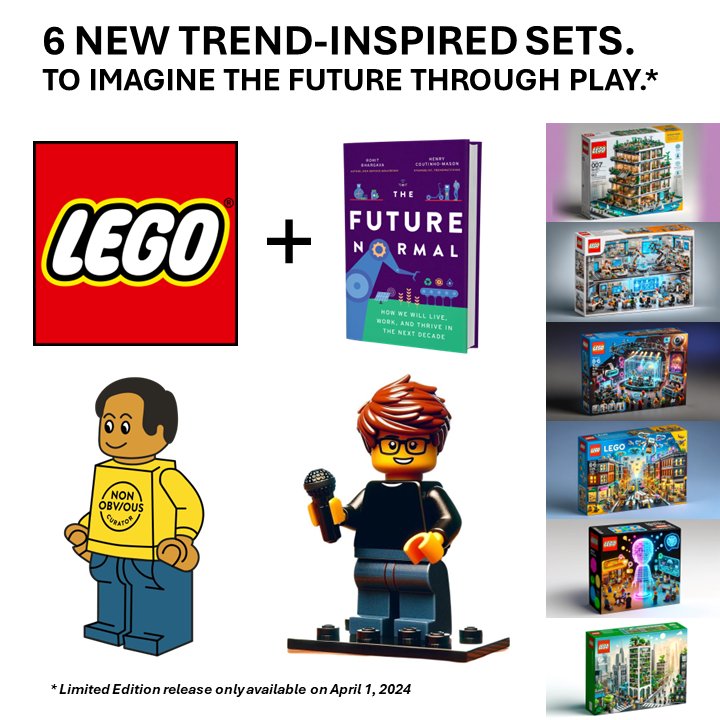
This week my Future Normal co-author Henry and I announced a bold new partnership with LEGO to create a series of limited edition future-thinking sets inspired by trends from our book. The idea was that people could imagine a better future through play. The idea, as my post shared was just one element of our "bold two decade-long series of Non-Obvious partnerships with brands that have four letters in their name. Based on a decade of intense research, we have determined that four is the optimal number of letters to have in a brand name to allow for maximum global reach."
The post went on to share that we're also developing a "zero-G edition of the book with NASA" and a "dynamic pulse-activated payment method with VISA." The fact that the announcement came on April 1st struck some people as oddly convenient but it was interesting how many people mistook our little slice of fun on April Fools Day for a real announcement.
The day after, Henry shared a recap noting how we architected the joke as well as the growing sense of guilt we felt as our friends celebrated the announcement as if it were real. As he shared, "being taken in by fake content is less of a question of capabilities, but capacity. Social media is shallow – we exist in a sense of continuous partial attention." This matters for more than just the future of how we may all be able (or unable) to understand a joke. When everything can be fabricated, trust shifts to the individual rather than the content. People will increasingly believe something because of who shares it, and less because of what it is.
From that lens, perhaps we should have done better. Or skipped the joke altogether. What do you think? If you saw this, did you believe it and how did you feel when you discovered it was a joke?
AXA's New Foresight Report Offers 100 Reasons To Love the Future
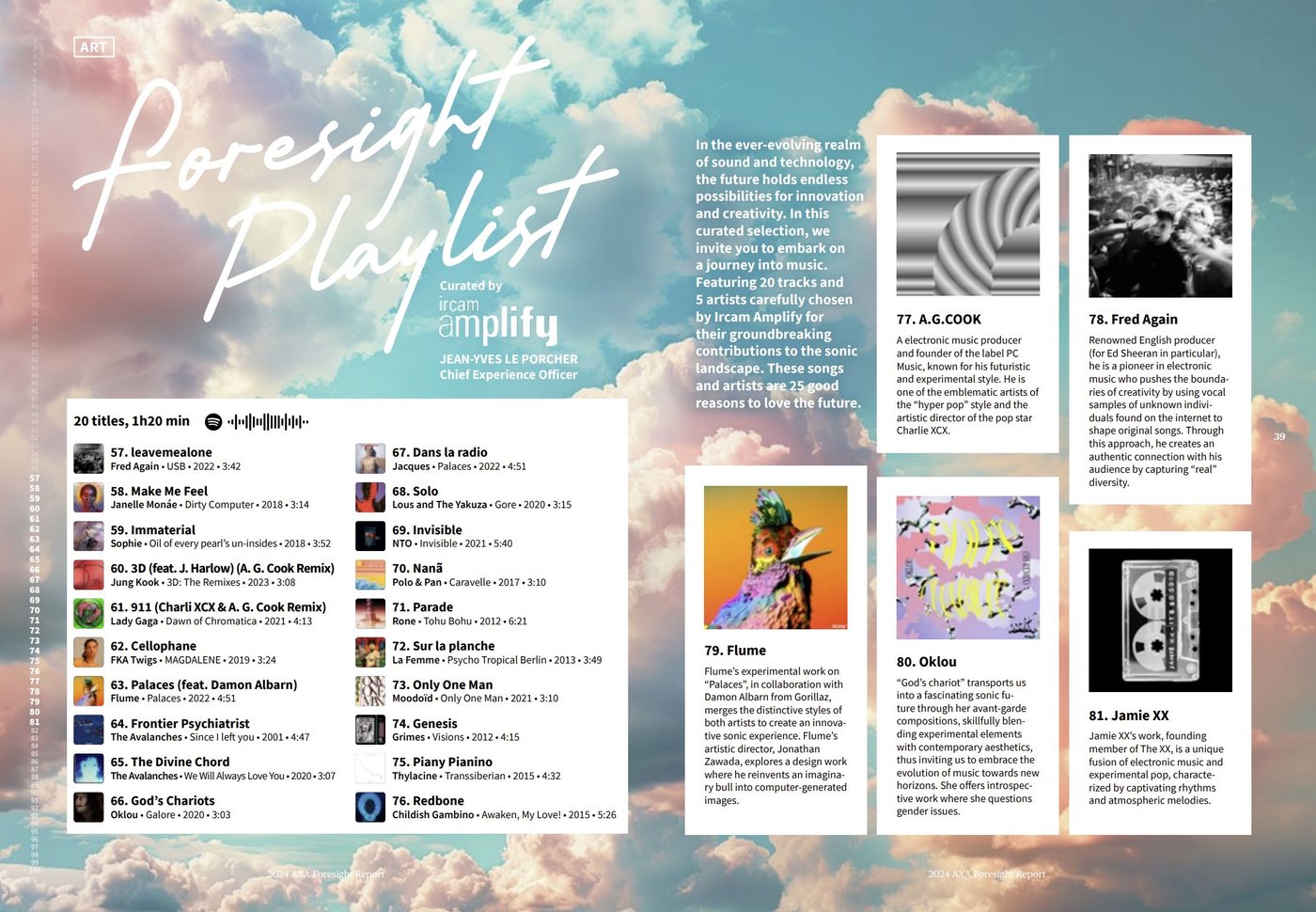
There are plenty of futurists who will offer you a list of all the ways the world can go wrong and things could be worse. Against that backdrop, this timely report from AXA Insurance's foresight team offers 100 Reasons to Love the Future (PDF Download Link). The beautifully designed report covers everything from growing youth involvement in social issues to innovations looking to protect the oceans. Future music playlists, the impact of female entrepreneurs, transforming food systems and AI-augmented art are all covered in this wide-ranging report that offers a sort of tasting menu to the forces that are shaping our future.
While the report intentionally stays on the surface of most ideas, it's real value is in offering a big picture look at the many reasons why the future might not be as bad as many people think. At a time when idiots are proposing conspiracy theories about the effects of the solar eclipse, we need these sorts of positive stories too. The only future we can build is the one we can imagine. Reports like this one are an important part of popularizing ideas of a better future.
The Disturbing Truth About How Trader Joe's Sources New Products
Trader Joe's doesn't seem like an evil brand. Their personality-driven backstory offers an irresistible underdog mentality that drives rabid brand fans who celebrate every new product arrival. Unfortunately, a story released this week reveals that many of their ethnic private label products may be blatantly stolen knock-offs of product ideas from small brands who had been negotiating with TJs before being abruptly ghosted.
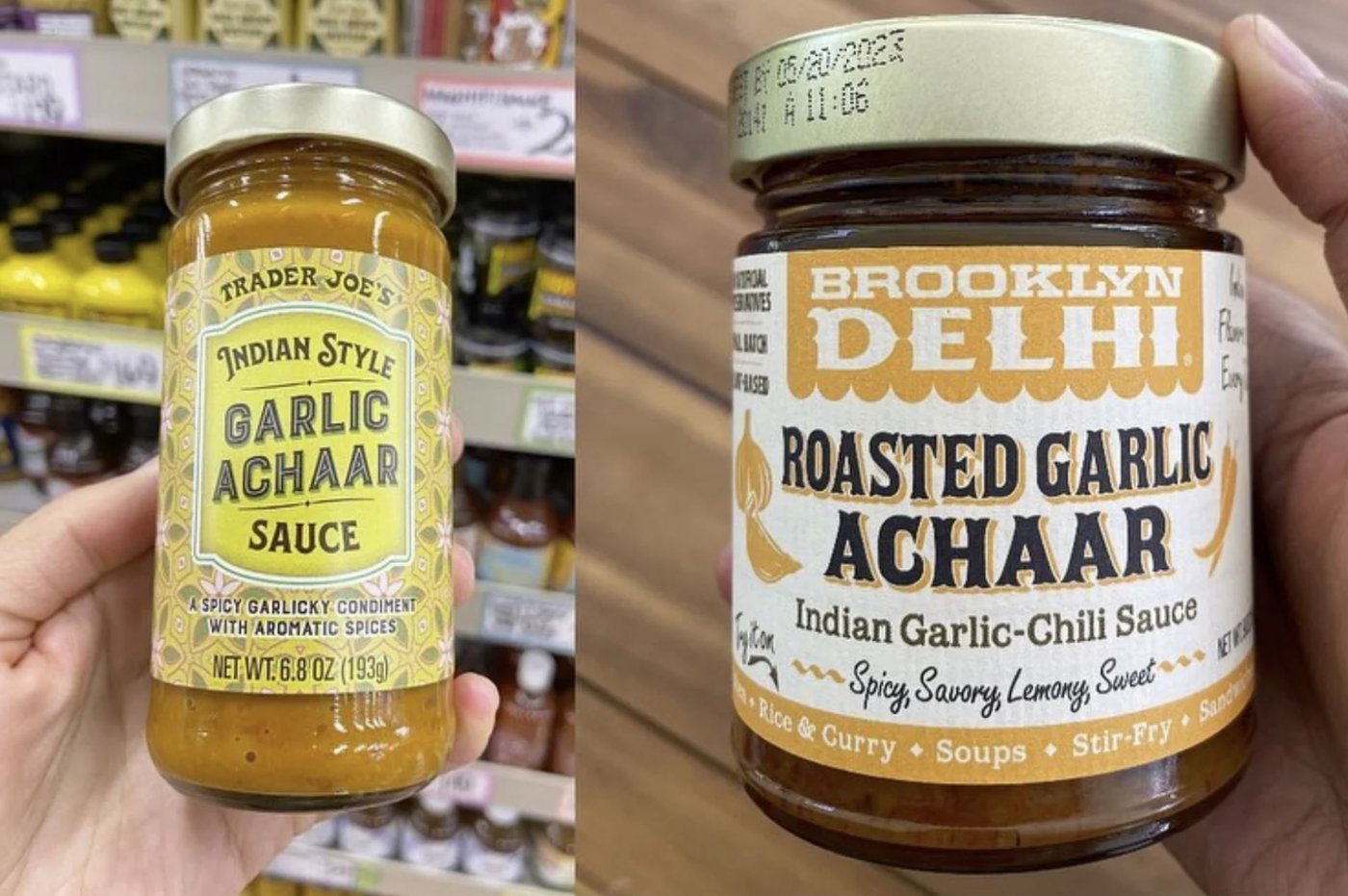
While the brand's knockoffs of big brand products (called "dupes") has been widely known, those are often manufactured by large brands with confidential agreements anyway. In contrast, many food entrepreneurs--particularly those with ethnic food product ideas like Brooklyn Delhi (featured in the article)--have suggested that the brand regularly starts negotiations, lowballs them on wholesale pricing and then goes on to release nearly identical products a matter of months later.
In the food sector, proving theft of IP is notoriously difficult since recipes generally cannot be copyrighted ... so the brand will likely face little to no legal repercussions. So should you stop shopping at TJs? If you're a brand fan, that's probably hard advice to follow. But maybe consider skipping the "Trader Jose" or "Indian style" branded items and instead buying ethnic foods like achaar directly from an entrepreneur's websites at other retailers where these food startups are treated fairly, maintain their brand and can profit off their own inventions.
The App That Recreates Social Media's Dopamine Hits Without Actually Letting You Post Anything
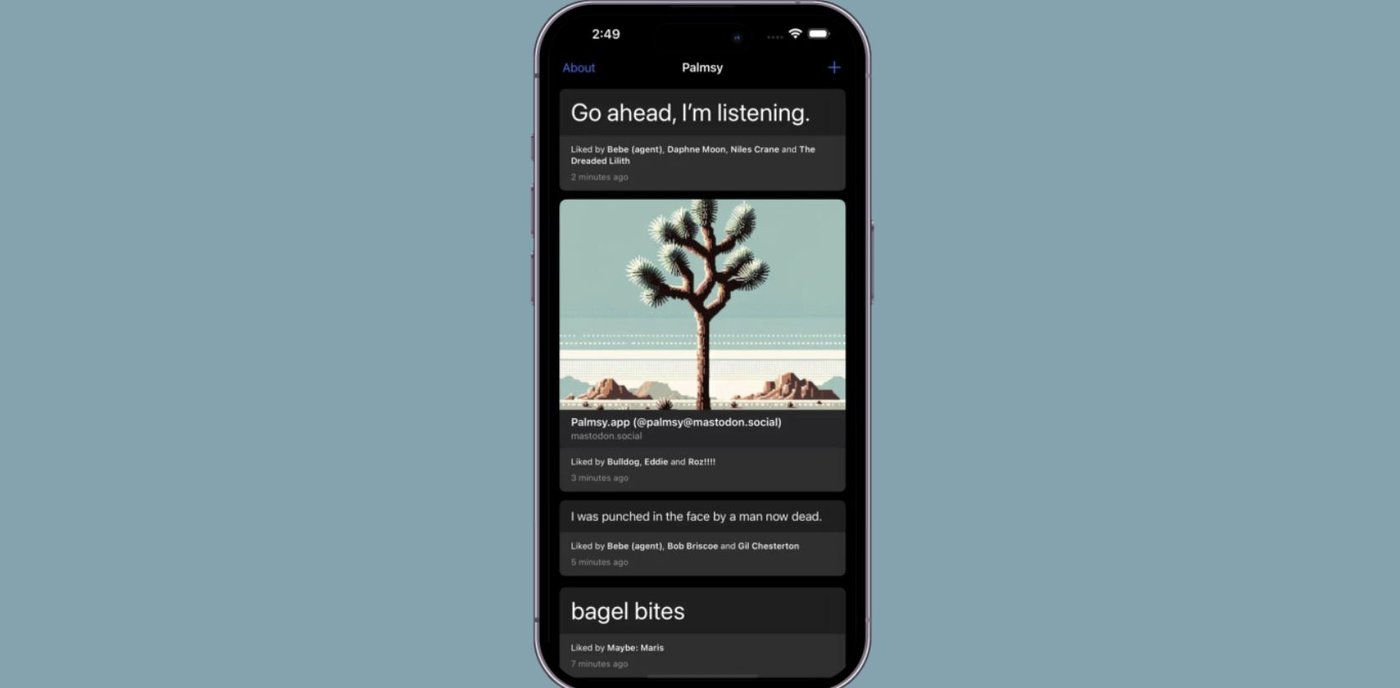
One of the irresistible allures of social media has always been the dopamine hit from people engaging with the things that you post. Getting likes feels good. What if you could create that same feeling without the toxic repercussions that come from just posting to chase this engagement? A new app called Palmsy offers an interesting solution - letting you post anything you like without uploading it anywhere.
On Palmsy, your posts remain privately on your phone and the app generates randomized "likes" from people in your contact list. The best description I found for how it works came from Boing Boing, which suggested that "Palmsy operates under the same principle as a toy steering wheel for toddlers in a shopping cart. Your friends aren't really responding to your posts, you're just talking to yourself."
Just like smokers turning to nicotine gum instead of cigarettes, this feels like an incrementally less negative substitute that masks (but doesn't really address) the underlying problem. Still, I suppose it's better than leaving the problem unchecked.
Harper Collins Identifies Eco-Friendly Fonts To Save Thousands of Trees and Reduce Paper Usage
Every few months there are new sustainability stories of the world's largest brands trying to create less wasteful packaging. Coca-Cola announced a new lighter bottle design this week and a few months ago began a trial shipping label-free bottles of Sprite. These types of initiatives are common in the packaged food industry, but what if other industries could greenlight similar initiatives to create sustainability solutions of their own.
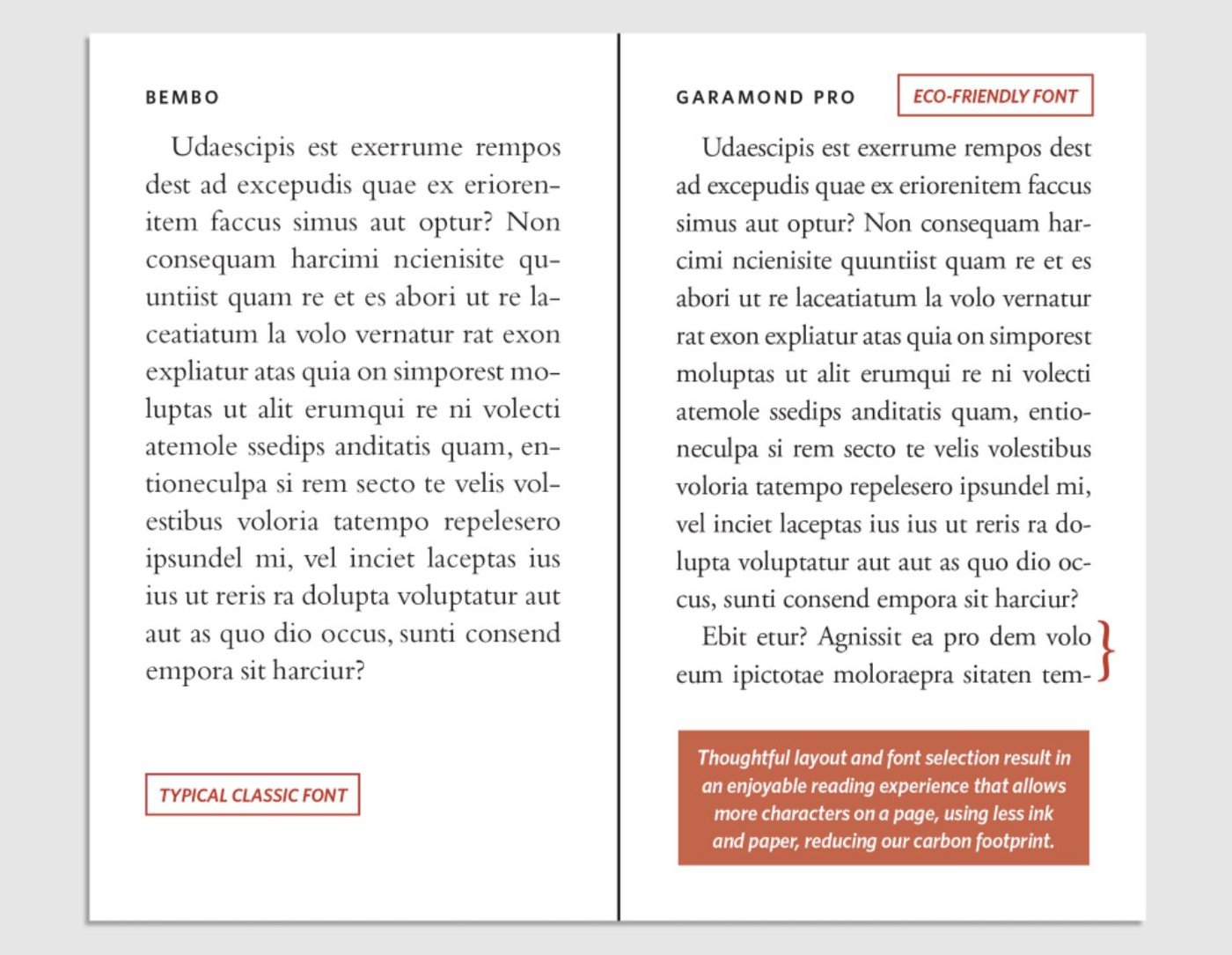
Harper Collins has been doing something similar in the world of publishing, experimenting with various fonts to see if there were some that could allow for more words to be printed per page, thus reducing the page count for bestselling titles. The initiative was first inspired by the publisher's Bible printing group that developed a new compact font that "saved 350 pages per Bible, resulting in a total savings of 100 million pages in 2017." Most impressive was the fact that most readers didn't even notice the change since the new fonts were so similar to the ones used previously.