What’s In This Issue?
 Story 01Why I Love Ridiculous Art
 Story 02France Creates Scratch-and-Sniff Stamps That Smell Like Fresh Baguettes
 Story 03Truecaller Offers Perfectly Useless Feature To Let AI Respond To Calls In Your Voice
 Story 04India Is Ground Zero For the Irresistible Appeal of Sanctioned Deepfakes
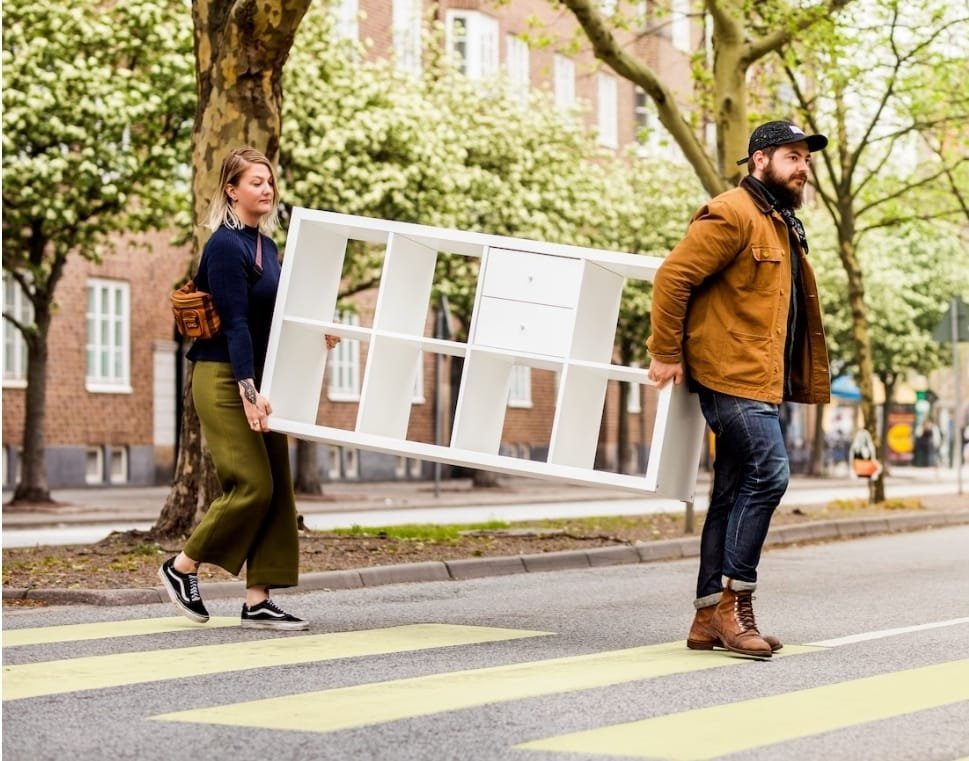 Story 05IKEA Organizes Flea Markets Across Europe To Help People Sell Used Items
Why I Love Ridiculous Art
One of the group conversations I had this past weekend required each participant to share something that we think is bullsh*t. My choice was political advertising, which David Ogilvy famously suggested ought to be stopped because "it's the only really dishonest kind of advertising that's left." Someone else in our group nominated modern art ... and referenced the banana duct taped to a wall saga as proof.
Feel free to disagree with my perspective (I look forward to your comments!), but in that conversation I surprised myself by defending the ridiculousness of modern art. Yes, a photo of a urinal or a square painted onto a canvas certainly seem like talent-free creations which hardly warrant their exorbitant price tags. This week the story of the smart phone sunglasses was roundly mocked too. The reason I still support them is because they make a statement about our lives that can encourage debate and thought.
Art isn't just created by the artistic. Or even always by the talented.
Sometimes it's just a captured moment of subversion that forces you to stop and think. And whether you love or hate the expression, it would be hard to dismiss it as having no value at all.
France Creates Scratch-and-Sniff Stamps That Smell Like Fresh Baguettes
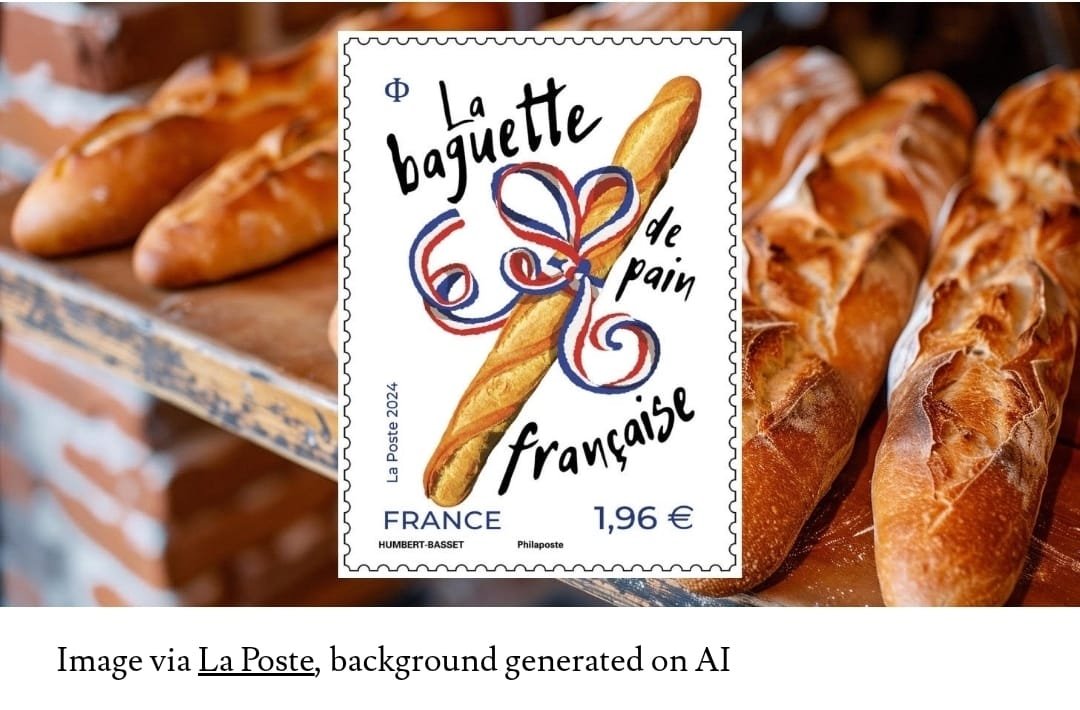
Just in time for the feast of Saint-Honoré, a day honoring the patron saint of bakers and pastry chefs, La Poste in France released a limited edition set of scratch-and-sniff stamps featuring a baguette wrapped in the national colors of the French flag. The effect was achieved through "microcapsules of fragrance embedded in ink" and 594,000 copies of this special edition stamp were created.
There are so many reasons to love this. It's offers a distinctly French sensory experience to anyone anywhere. It might encourage people in a digital era to rediscover the magic of sending a letter (or anything else physical) to one another by post. It could help increase utilization of the French postal system. Not to mention it’s a viral idea designed to gain media attention.
Most romantically, it captures a tiny piece of humanity which could be preserved for generations to come thanks to stamp collectors. In case of calamity in the far future, it’s nice to know a few modern delights would still make it.
Truecaller Offers Perfectly Useless Feature To Let AI Respond To Calls In Your Voice
This week's example of unnecessary AI innovation comes from the caller ID platform Truecaller which is using Microsoft's Personal Voice technology to power a new tool that can "replicate users' voices in order to greet and respond to callers." Here's a breakdown of each “feature” it promises, along with a list of how I currently accomplish these things myself:
"Answer phone calls for you" - I can answer them myself, if I want.
"Take messages" - Voicemail was made for this already.
"Respond on your behalf" - Impersonal and annoying to the caller.
"Record the call" - Sneaky without permission and mostly unnecessary.
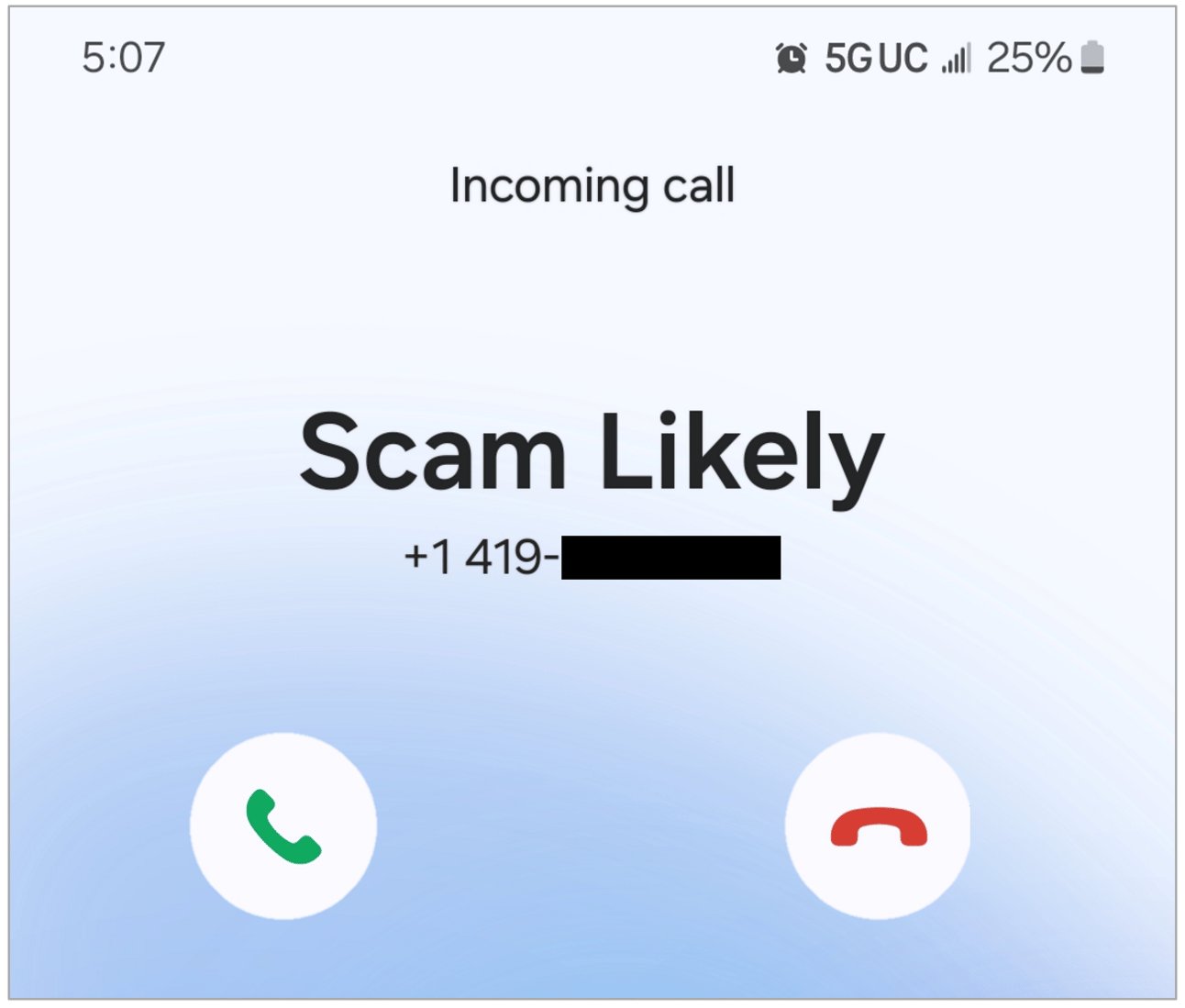
The BEST call-related feature of my phone is that most unknown calls show up as "Scam Likely," so the last thing I need is AI responding to scam phone calls thereby encouraging more scammers to call me. Instead, I wish someone would make a button that simply lets me "Block Forever" on any scam call.
This would be like the phone equivalent of unsubscribing to an email. Not only would that be emotionally fulfilling, it would also be wildly useful. The point is, I don't need technology that responds to conversations I don't want to have in the first place. Or technology that pretends to be me. I'd much rather have technology that filters out these unwanted encounters in the first place.
India Is Ground Zero For the Irresistible Appeal of Sanctioned Deepfakes
The biggest AI story this week was the showdown between Open AI and actress Scarlett Johansson over the use of a voice concerningly similar to hers after she had refused to collaborate with Open AI. This is quickly becoming a recurring typical deepfake story: someone steals the likeness of a famous person, and that person fights back.
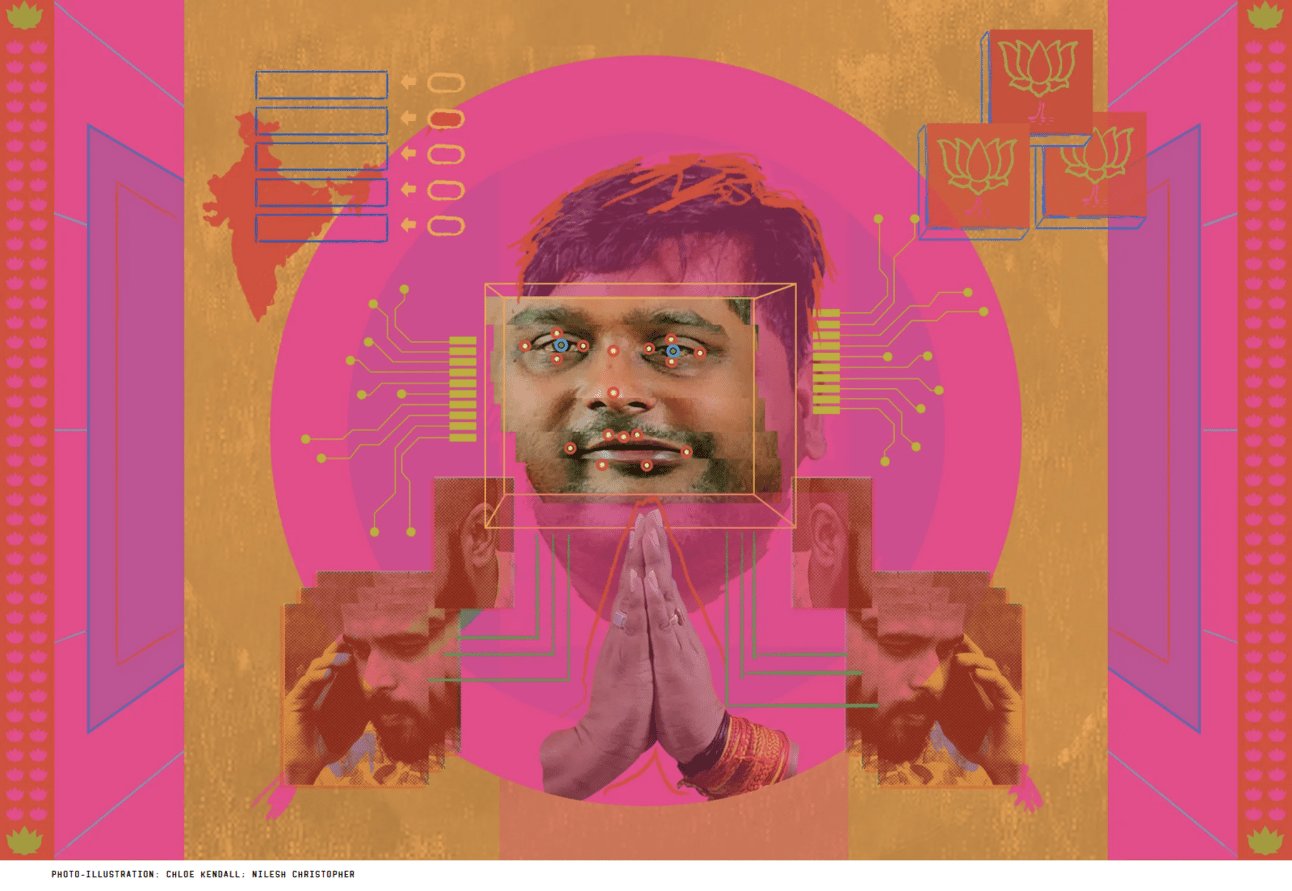
The less popular but perhaps more concerning story is the growth of sanctioned deepfakes. This week, WIRED detailed how deepfakes are playing a role in the upcoming Indian election. A large number of politicians are intentionally creating deepfake versions of themselves as a way to personalize messages directly to voters across the vast country.
It's easy to see the appeal. Who hasn't had a moment where they wish they could scale themselves? Heading into high-stakes situations like a national election, these sorts of deepfakes can change minds and swing voters. Thankfully, the growth is also attracting innovators trying reduce the impact of deepfakes. Last week, I met an entrepreneur last week working on a platform called TrueMedia.org that was designed specifically to detect political deepfakes. The more growth we see in intentional and ill-intentioned deepfakes alike, the more we'll need tools like this to help us separate truth from fabricated reality.
IKEA Organizes Flea Markets Across Europe To Help People Sell Used Items
This summer in their ample parking lots across several European cities, IKEA will be hosting weekend flea markets for people to come and sell their used household goods and other items they don't need anymore. Donations from the day will be used to support vulnerable single-parent families. The effort is designed to underscore the brand's sustainability focus that includes programs encouraging people to resell their used IKEA products and generally to throw away less items in favor of upcycling or donating them.
As we head into the summer months for many countries, it strikes me that the idea of using excess space in this way took off during the pandemic when parking lots offered the ideal socially distanced location to host activities, but has seemed to fade away since. What if we all thought about reclaiming those open spaces for more activities and initiatives like this?
You may not work for a company that has access to a physical building or an open parking lot, but if you do then ask yourself if you're actively using it to support people or bring them together? If not, now might be a perfect time to start.