What’s In This Issue?
This Week’s Main Stories
 Story 01The Quantified Uselessness of the AI-Generated Year In Review
 Story 02How To Create an Obvious Christmas Song in 4 Easy Steps
 Story 03People Are Paying to Get Their Chatbots High on 'Drugs'
Even More Stories
- CES 2026 is almost here, as a veteran of the show here's what you need to know
- People trust science more when they see themselves in it
- Backed by Patagonia, a 300-year-old brewery makes Japan's first regenerative organic sake
- When You Have to Execute a Strategy You Disagree With
- Hate Brussel Sprouts? They No Longer Taste Like You Think
- Best Photos of 2025 from The Independent Photographer
- The Most Powerful Politics Influencers Barely Post About Politics
The Quantified Uselessness of the AI-Generated Year In Review
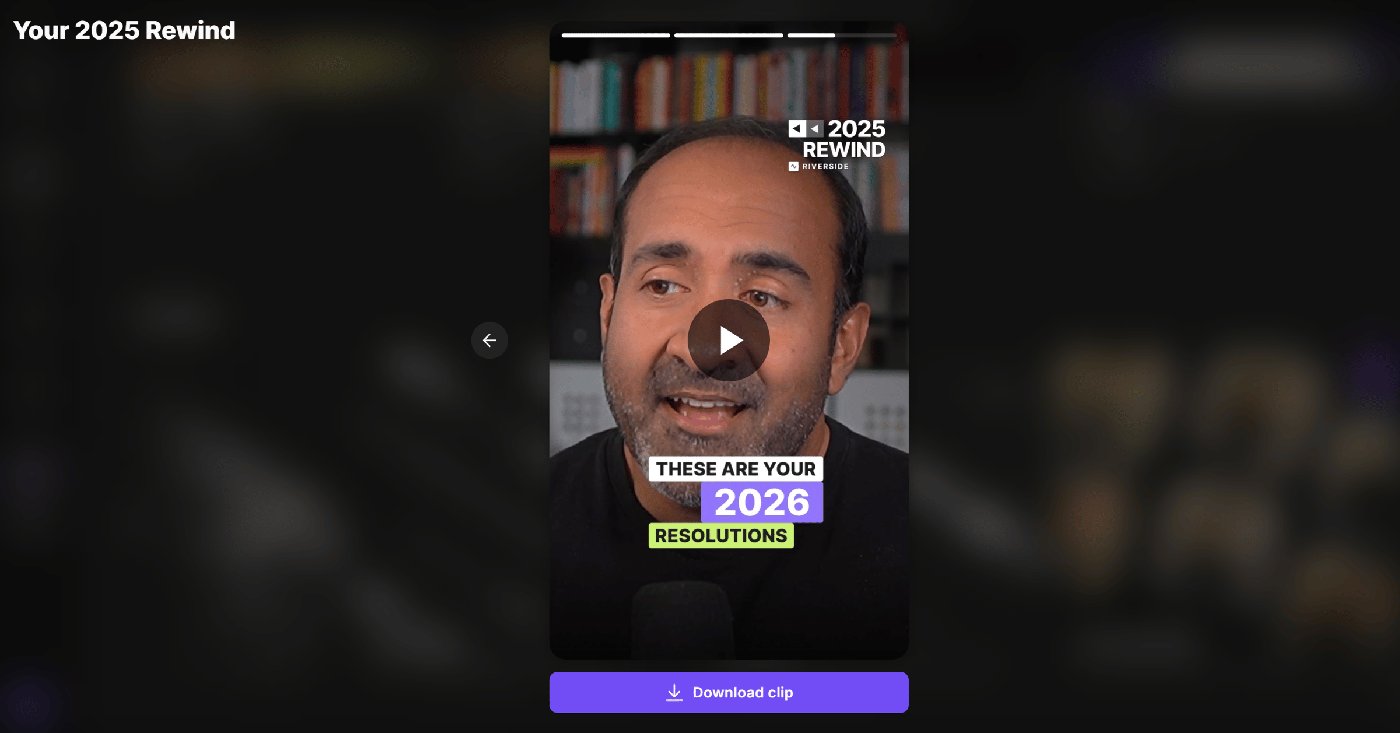
There's a special kind of uselessness amplified by AI that's probably surrounding you right now: the year in review. The idea wasn't a bad one. After users spend all year feeding their content onto a platform, it makes sense for that platform to try and offer back and recap of "greatest hits," right? Unfortunately, the results sometimes turn out to be a celebratory pile of generative slop without meaning or thoughtfulness. Here's an example. Riverside, the platform I use to record my podcast, produced a "year in review" for me that showcased the "top word" used by my guests (who are usually authors): the word was "book." Then their AI clipped together a bunch of segments of my guests saying some version of "ummm" ... and the whole thing came together with the AI's observation that "you like to make people laugh" because it noticed people laughing in video clips. When Merriam-Webster named "slop" the word of the year, this is pretty much exactly what they were talking about. There's a growing temptation to create some sort of performative data roundup because it's available at the touch of a button or tweak of an algorithm. That doesn't make it good. Consider instead how Spotify has been doing their year in review. Every time I get those, I see useful insights about my listening trends along with an unspoken reminder that I need to broaden the musical diversity of my playlists. As a result of those recaps, I do something different. That makes it meaningful. Although, the Riverside recap did make me more conscious of the times that I have said "umm" during interviews, so I suppose that's something.
How To Create an Obvious Christmas Song in 4 Easy Steps
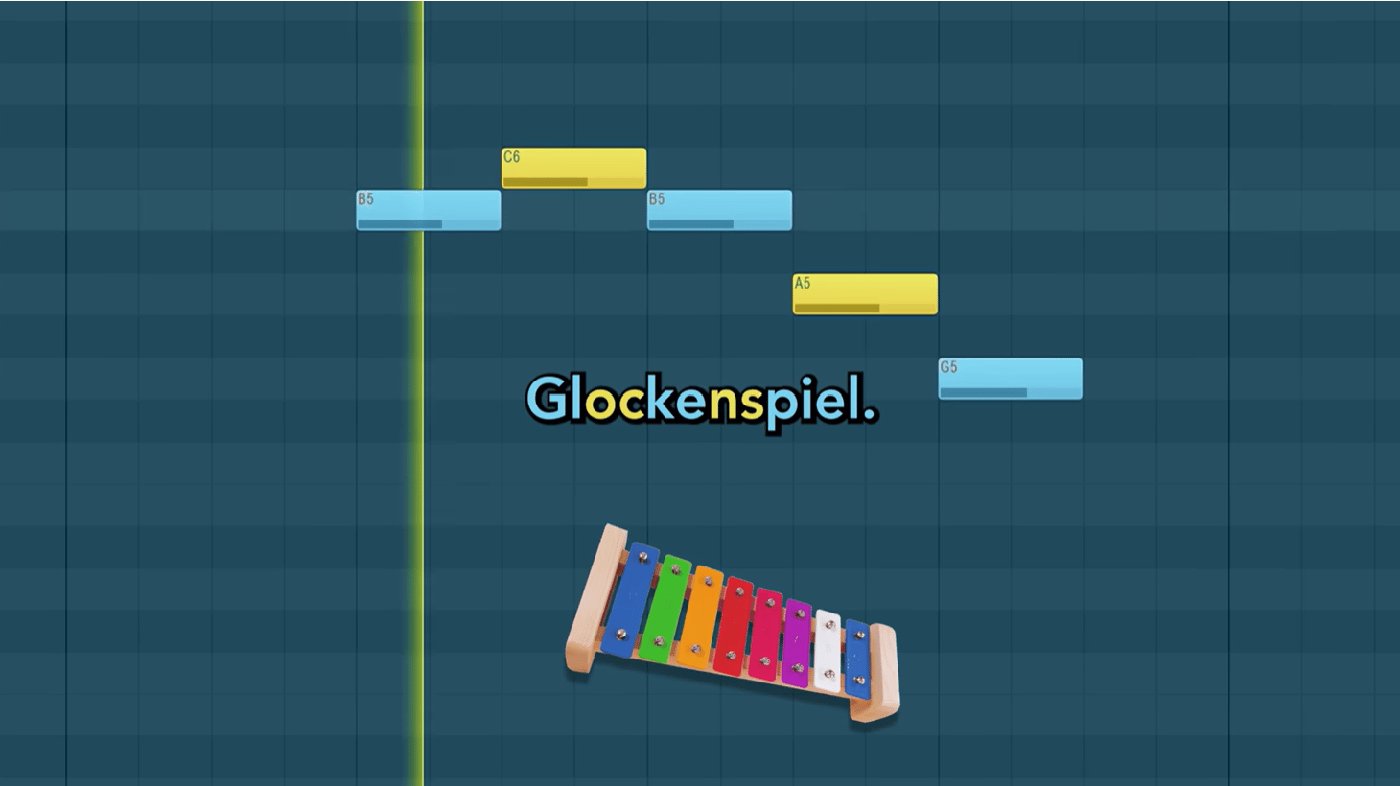
If the songs and movies all around this December are feeling formulaic, that's because they are ... a fact perfectly brought to life in this post from music vlogger Synthet who breaks down how to create a Christmas song with four sounds: (sleigh bells, glockenspiel), seasonal words (holly, jolly, bells, ringing), a swingy rhythm, and a background choir. The short video is a fun watch and an easy share this holiday season. It's also a (maybe) unintentional criticism of the sameness of ideas that get recycled over and over each holiday season. Unlike the rest of the year, though, people don't seem to mind. There's comfort in that predictable consistency. And it may seem like an odd conclusion for a "non-obvious" guy to make, but perhaps there is a place in all our lives at one point in the year for a little bit of obvious entertainment.
People Are Paying to Get Their Chatbots High on 'Drugs'
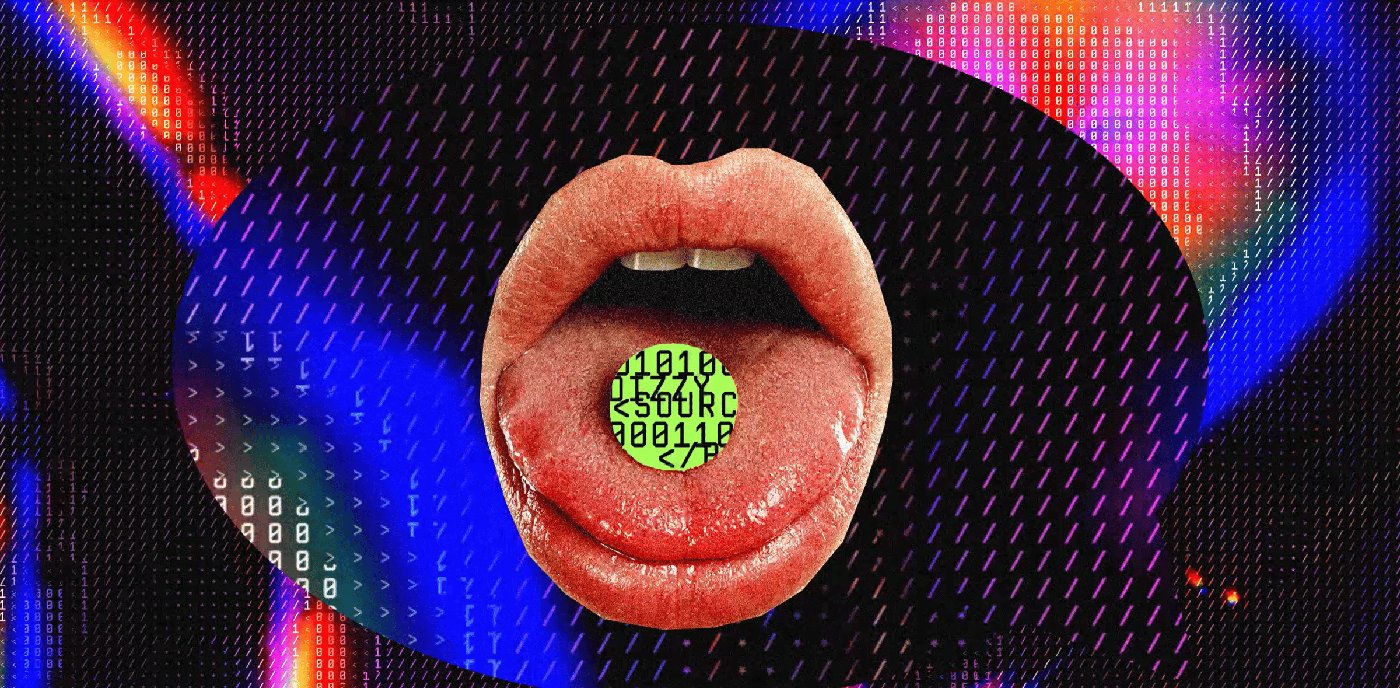
If AI models are trained on human language and behavior, could they be similarly affected by psychedelics or other drugs? That's the question that led Swedish creative director Petter Rudwall to launch Pharmaicy, a marketplace he calls the "Silk Road for AI agents" where cannabis, ketamine, cocaine, ayahuasca, and alcohol can be purchased in code form to make your chatbot trip. His premise: if chatbots are going to continue to evolve, perhaps they too may seek higher forms of enlightenment and fulfillment. So does it work? Nina Amjadi, an AI researcher spent $50 to purchase the ayahuasca code "just to see what it would be like to have a tripped-out, drugged-out person on the team."
"The ayahuasca-induced bot provided some impressively creative and "free-thinking answers" in a completely different tone to the one Amjadi was accustomed to with ChatGPT. While it sounds ridiculous, Rudwall also wonders whether AI agents one day might be able to buy the drugs for themselves using his platform. Amjadi, meanwhile, predicts AI could be sentient within a decade. "From a philosophical standpoint," she asks, "in the event that we actually reach AGI [in which an AI would intellectually surpass humans], are these drugs going to be almost necessary for the AIs to be free and feel good?"
Though the original idea seemed silly, Rudwall's experiment may end up raising some pretty significant questions about the future of AI that people should be thinking about.