What’s In This Issue?
This Week’s Main Stories
 Story 01What If the Biggest Threat to Human Thinking Isn't AI?
 Story 02What We Can Learn from the Complex Legacy of Tim Cook
 Story 03Heinz Shows the Underappreciated Power of Manufacturing Significance
Even More Stories
- The Monkey Selfie That Predicted the AI Age and Future of Copyright
- 'An Element of Exploitation': The World of TikTok Child Skincare Influencers
- What If the Future of Mining Looked Like a Farm?
- The California Town With Less Than 30 Residents Begging for Young People to Move In
- Luxury Brands Are Now Limited In Naming Thanks To New Patent Ruling
- Turning Bourbon Waste Into Energy Storage
- Designing Gatherings Where Everyone Belongs
- How FIFA Is Actively Ruining the World Cup
Media Recommendation
 Hamlet (Movie)
Book Of The Week
 Custodians of Wonder
What If the Biggest Threat to Human Thinking Isn't AI?
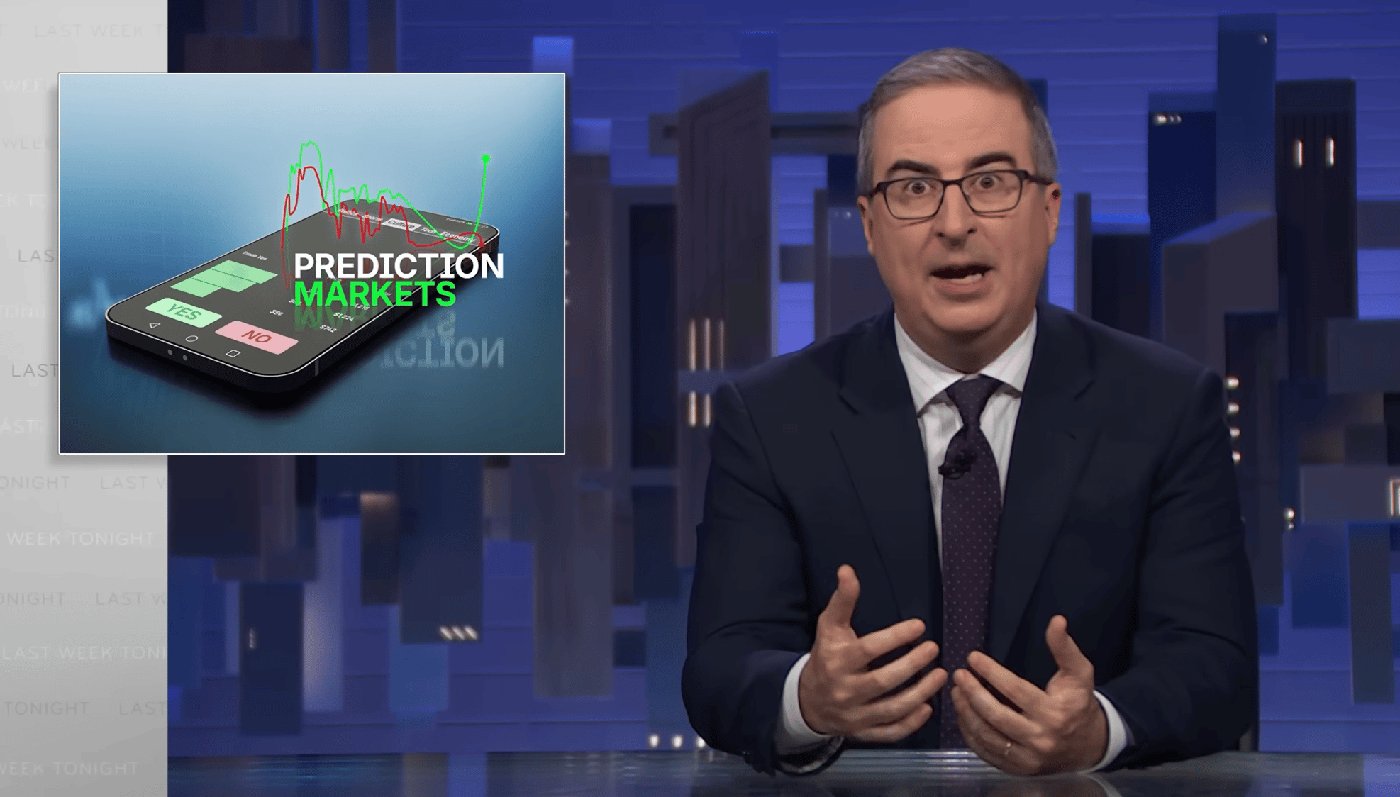
Most conversations about the future threat to human reasoning start and end with artificial intelligence. That misses a big threat that's finally getting more attention: prediction markets. The idea behind prediction markets is that anyone can place a wager on the outcome of a real-world event — an election, a war, a policy decision — and the collective odds supposedly reflect the wisdom of the crowd. Kalshi founder Tarek Mansour has vocally defended the concept in interviews, arguing that these markets democratize information and are really nothing new. Some mainstream outlets seem to agree. Last Week Tonight recently dedicated a segment to exposing the problems with prediction markets, a feature in The Walrus explored how they're turning geopolitical events into money-making schemes, and Forbes briefly experimented with its own non-monetary prediction market to collect reader perspectives on mass shootings — a move that triggered immediate backlash.
That Forbes experiment reveals why these markets can be problematic. To make an event "bettable," you have to reduce it to a binary outcome — did a word get mentioned or not, did a thing happen or not. All the nuance, context, and human meaning of the event get stripped away in the process. That's the real issue with prediction markets and the risk it presents to human thinking. While AI at least attempts to summarize even complicated ideas, prediction markets usually aim to eliminate it in favor of quick answers. There's a real difference between crowdsourcing wisdom and crowdsourcing odds because one tries to make sense of the world while the other just tries to profit from it. When the substance of geopolitical events and their human significance get reduced to the most basic elements such as whether a single word is mentioned or not, then the value of understanding gets replaced by triviality.
What We Can Learn from the Complex Legacy of Tim Cook
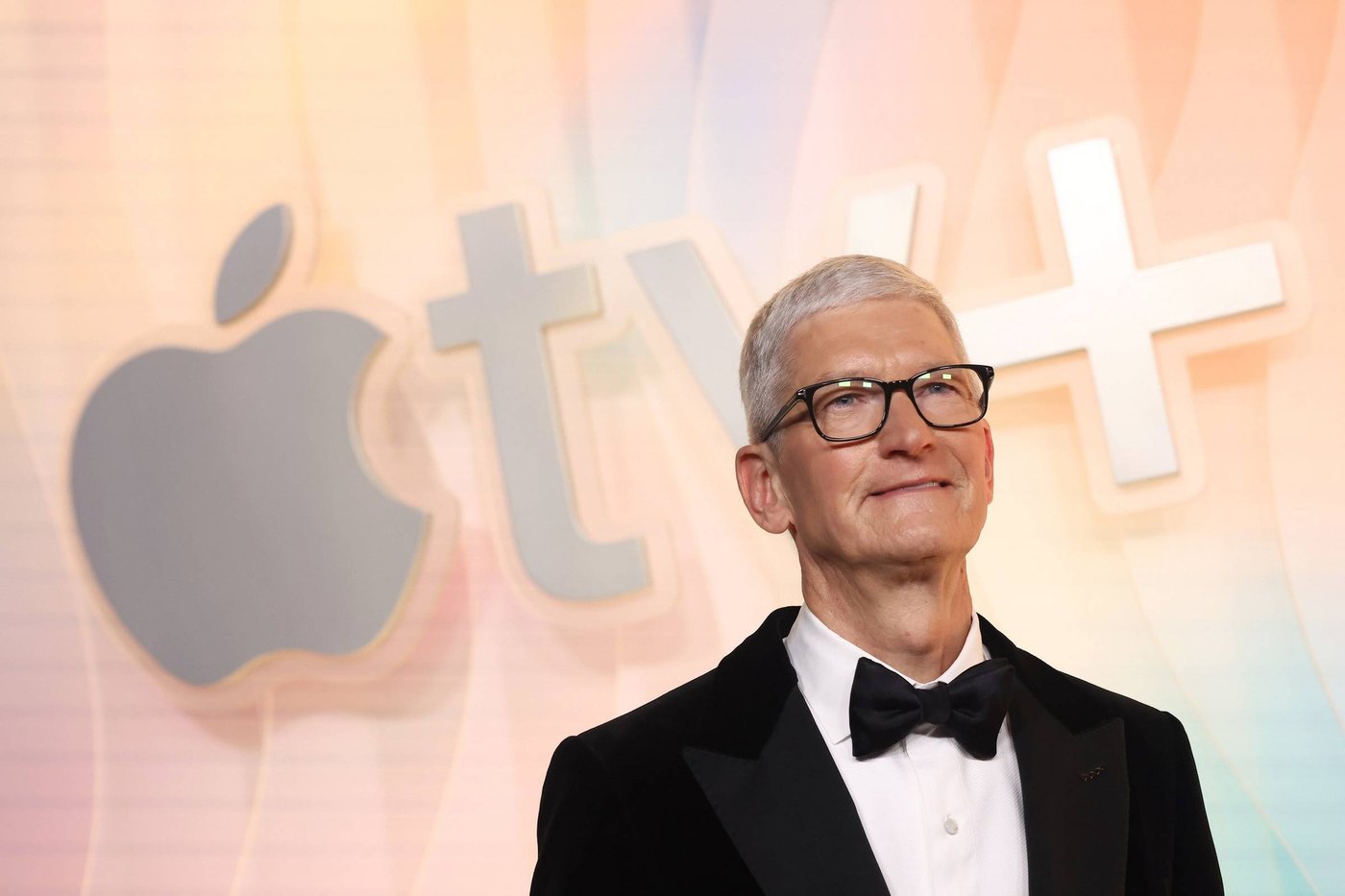
One of the biggest tech stories this week was related to Apple CEO Tim Cook's decision to step down after 15 years leading Apple into a future without Steve Jobs. Many business articles are reducing his time down to the bullet point of how he grew Apple's market cap from $350 billion to an estimated $4 trillion today. Adweek takes a deeper dive into the ups and downs of his tenure, which included very little in terms of real product innovation but a relentless focus on growing services and cutting costs. Looking back, AdWeek suggests his biggest miss may be when it comes to AI:
"Every company has to be on top and ahead with AI. But it's particularly crucial for Apple, whose brand is built on three pillars: simplicity, humanity, and creativity. It should have led into the AI era. Instead, Siri is an idiot in a classroom filled with geniuses. And there appears to be little if any plan to fix things any time soon. The honest assessment: Cook is a superb operator and a competent strategist who has been a mediocre product visionary."
Conversely, this lack of product vision and caution-led approach (particularly when it comes to privacy) is being held up by other critics as Cook's biggest achievement. Indeed, Cook's greatest legacy may be how he took a brand that was legendary because of a visionary founder ... and managed to make it ordinary and every day without killing it. Apple products were once luxurious, fashionable, beautiful, high-end, game-changing status symbols sought after by tech-obsessed early adopters. A decade and a half later as Cook leaves his mark, Apple makes every day, mostly average products following innovative ideas pioneered by competitors, and benefit primarily from trapping consumers into loyalty through the notoriously closed ecosystem they themselves created and their continually profitable app store monopoly. Now that John Ternus (often described as a "product guy") is set to take over in September, the big question the industry is wondering is whether Apple will continue to maintain its current success as a fast follower or whether we may see a return to new and bolder bets when the company goes under new leadership.
Heinz Shows the Underappreciated Power of Manufacturing Significance
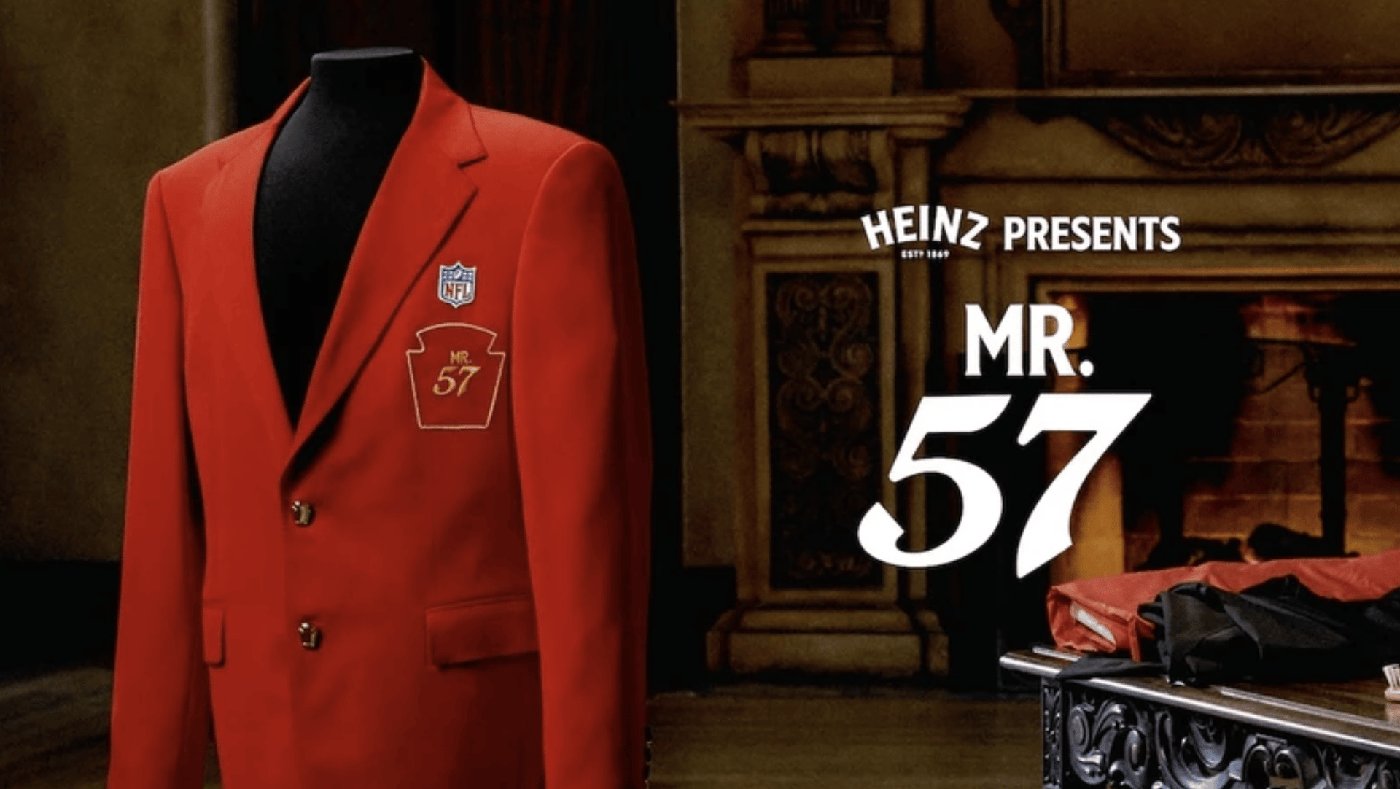
Brand positioning is usually all about what makes your product or service different. Usually that's based on something real, but it doesn't always have to be. This week, in honor of the fact that the NFL Draft is coming to their home city of Pittsburg - Heinz announced that whoever gets selected 57th in the NFL Draft will be crowned "Mr. 57" and given a lifetime supply of Heinz 57 sauce and a brand sponsorship deal. Here's a fun fact about their iconic sauce - the 57 was completely made up.
In 1896, H.J. Heinz was riding a train in New York City when he spotted a shoe store ad boasting "21 styles." He liked the idea enough to invent his own number. He chose 5 because it was his lucky number and 7 because it was his wife's favorite. In other words, the brand assigned significance where none previously existed. It turns out, this idea of significance alchemy isn't entirely new. Brands have been practicing the art of taking something inherently meaningless and declaring it meaningful for years.
Back in the 1960s, Avis turned the embarrassing fact of being the second-largest rental car company into a brand identity with their iconic "We Try Harder" campaign which remained in use for more than 50 years. Snapple looked at the empty space under a bottle cap and turned it into a canvas for brand personality. Guinness decided settling pub arguments deserved an authoritative institution, accidentally creating one of the bestselling series of all time with their book of World Records. Volkswagen took the Beetle's most criticized features — being small and un-American — and made smallness an aspiration.
Each of these legendary campaigns invented significance. That's the non-obvious lesson here. The best marketing move is sometimes about choosing something to matter and then believing it so much that it becomes real.
The Non-Obvious Media Recommendation of the Week
Hamlet (Movie)
[Note: only a partial capture of this section was retrievable — the source page could not be reproduced in full for these two closing blurbs.]
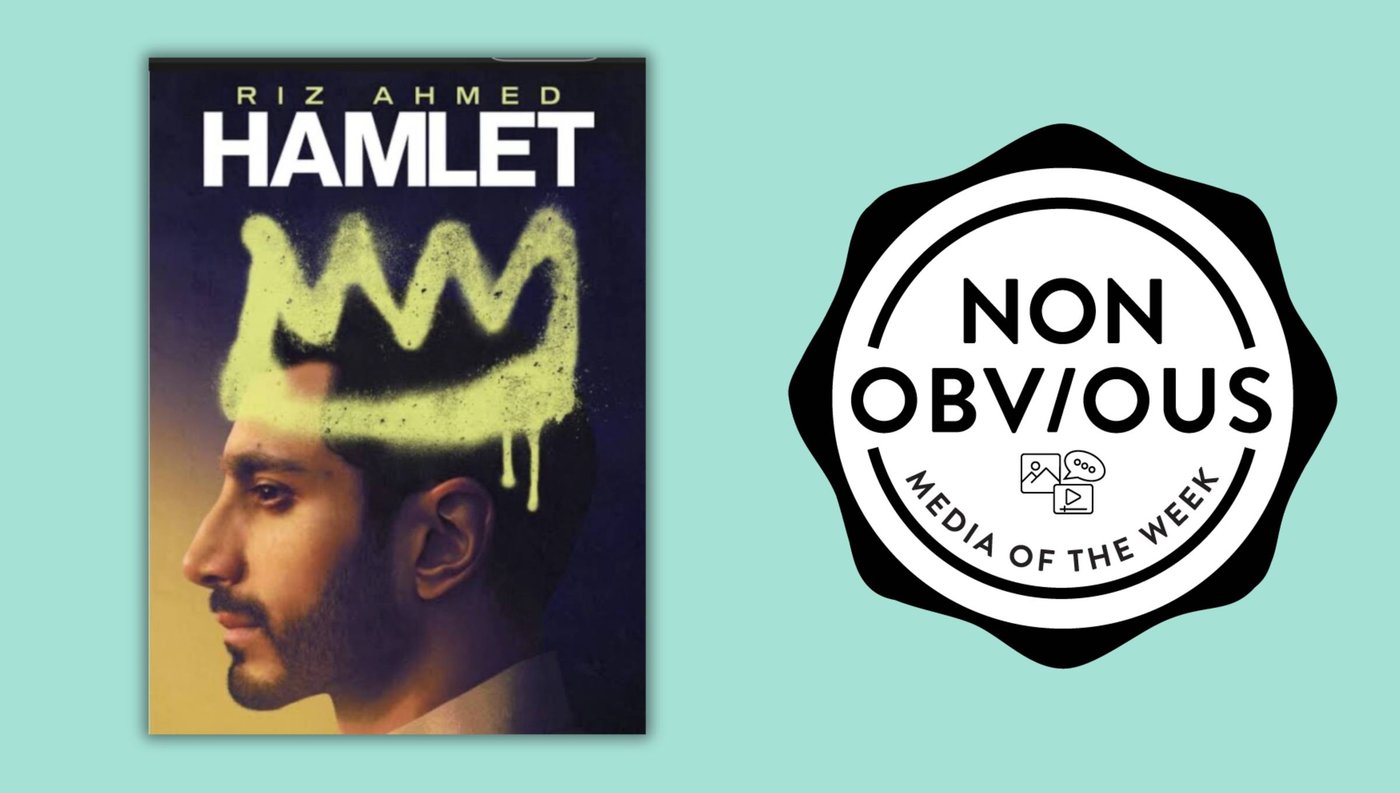
The newest film adaptation of Hamlet features a mostly South Asian cast led by actor Riz Ahmed, in what is described as "a dream role," and he is "convincingly conflicted as the emotional prince" as the character struggles with avenging his father's death. What makes repeated viewings compelling is how differently each production interprets key scenes and language — exploring which characters deserve sympathy and who represents heroism versus victimhood. This production "offers a fascinating cultural revision on how the play is usually performed," and more broadly makes the point that "the interpretation of those words into the way a story is told" matters more than the words themselves.
The Non-Obvious Book of the Week
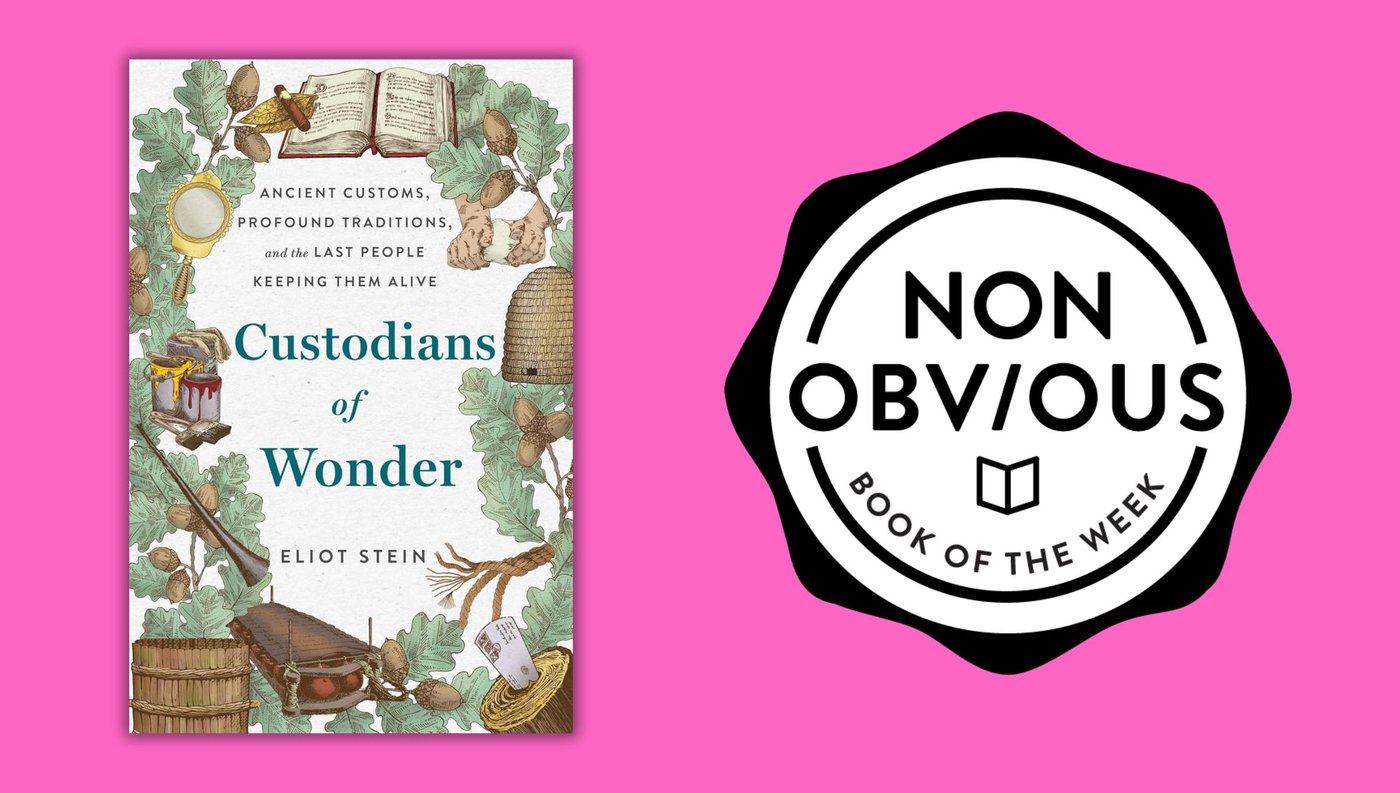
Custodians of Wonder
[Note: only a partial capture of this section was retrievable — the source page could not be reproduced in full for these two closing blurbs.]
Travel journalist Eliot Stein documents endangered traditions through conversations with night watchmen, mirror makers, and rope bridge builders. It is "Equal parts anthropology and travel memoir," preserving stories at risk of disappearing, and by "studying these dying cultures, we might also learn something about what it means to keep traditions that matter alive."