What’s In This Issue?
This Week’s Main Stories
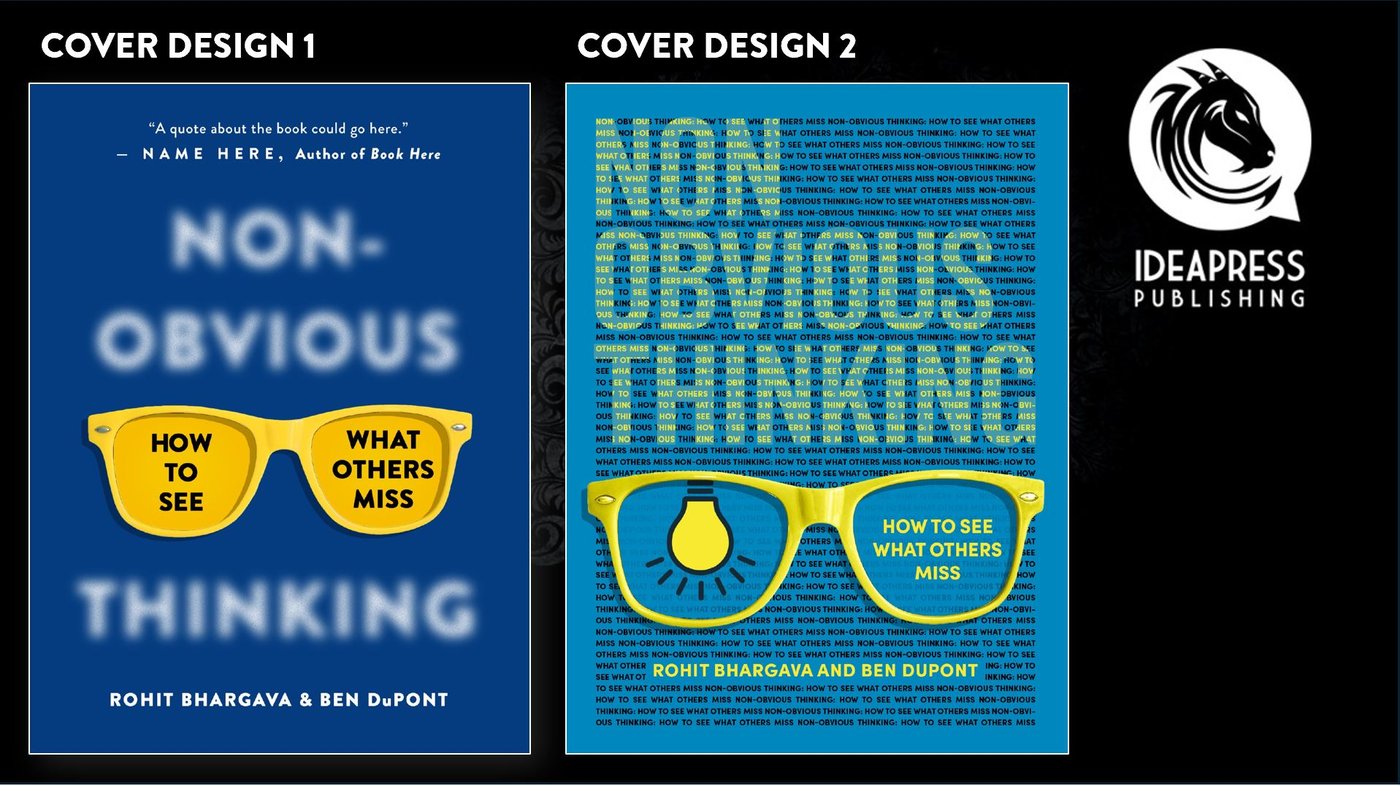 Story 01Help Us Pick The Cover For Non-Obvious Thinking ... Our Upcoming Book On Seeing What Others Miss!
 Story 02How the "TikTok Voice" Could Help You Be A Better Communicator
 Story 03Why Music Journalism Is Collapsing and How To Find New Music
 Story 04How To Put Numbers In Context During An Election Year
 Story 05We Need Another Word For Different Types of Plagiarism
Even More Stories
- India's $10 Billion Plans For Ayodhya Aims To Create A Religious Tourism Destination
- Scientists Just Invented a Video Camera That Lets You See How Animals See Color
- The Woman Who Spent Five Hundred Days in a Cave
- Shutterstock Launches AI-Generated Art Contest With The United Nations
- The Real Reason That Humans Are The Only Animals That Have Chins
Help Us Pick The Cover For Non-Obvious Thinking ... Our Upcoming Book On Seeing What Others Miss!
I've been hard at work collaborating on a new book over the past few months and I can't wait to share it with all of you. Those of you already on our launch team have seen a preview of these covers already (and thank you for all the feedback!). For the rest of you - I would love to hear what you think and you can also join our Launch Team for a sneak peek at manuscript too when we're ready to share it!
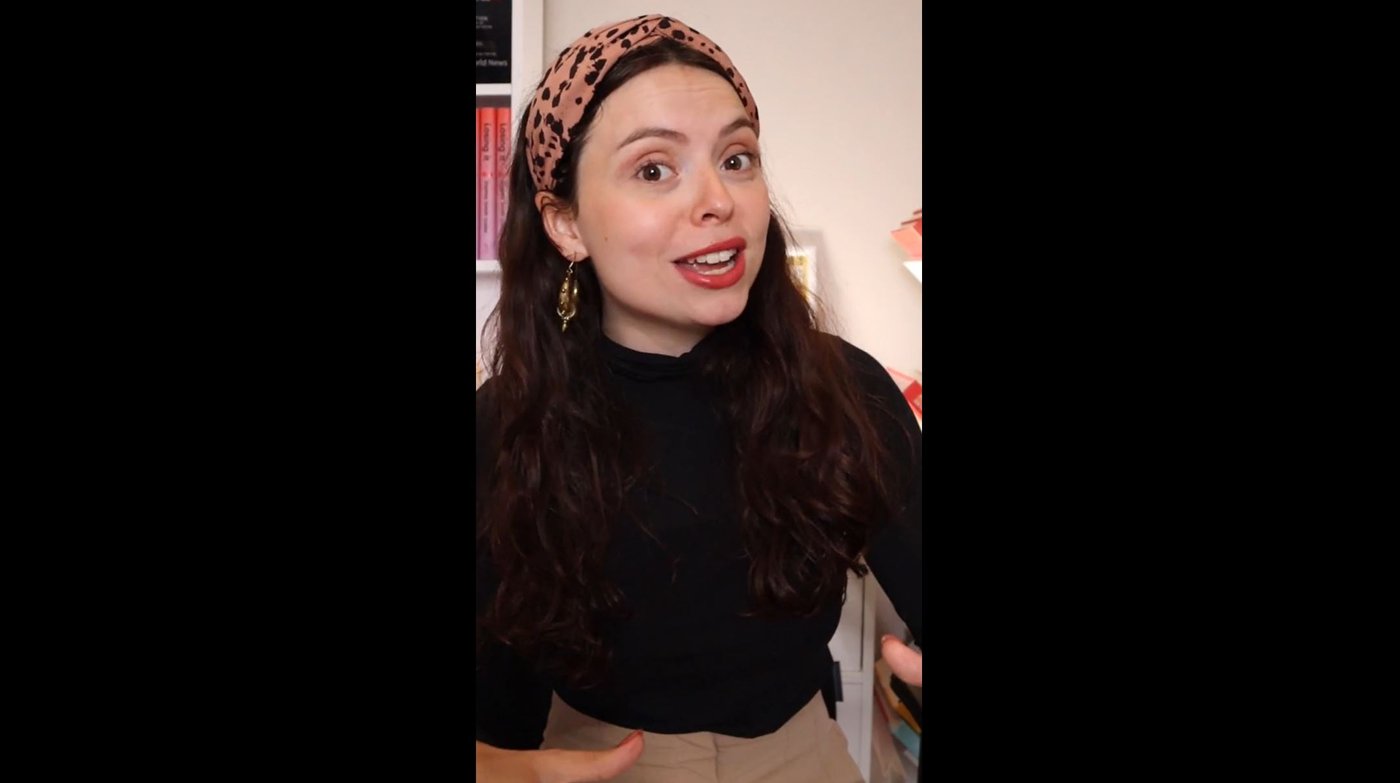
How the "TikTok Voice" Could Help You Be A Better Communicator
Uptalk. It's the vocal quirk that makes every sentence sound like a question and iit's something you are regularly taught to avoid. It's also a key element in the "TikTok voice," a vocal style adopted mainly by female influencers that some linguists believe might signal the future of English.
Uptalk has been criticized because it seems to indicate a lack confidence. Making statements is more definitive than asking questions, right? What I had never considered is that this sort of uptalk might be a softer and more persuasive way to speak. As one reporter suggests, "it's also less condescending. It less of me talking at you and more of me wondering whether maybe you agree with me?"
This story stuck with me because it's not the way I speak and uptalk is even a speaking pattern I have told some young people to avoid in the past. Maybe I was wrong. And maybe I'm being unintentionally condescending by not using it myself.
Adopting this TikTok voice would be pretty tough for me now. Maybe I'm the wrong demographic to pull it off anyway. But knowing why it works and how its opposite might sound to others can help me be a better communicator ... and it could do the same for you.
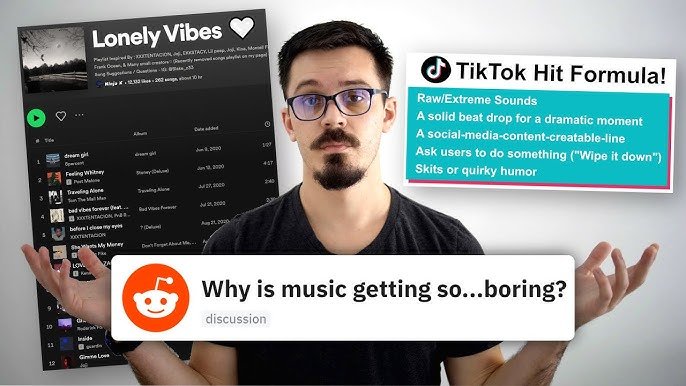
Why Music Journalism Is Collapsing and How To Find New Music
"Before streaming, everybody in the value chain needed new music. The record stores would go broke if people just listened to the old songs over and over. And the same was true for record distributors, record labels, radio stations, nightclub owners, and music writers. Everybody needed hot new songs and rising new musicians. Of course, fans also benefited. The music industry worked tirelessly to find exciting new music, and share it with the world. That business model is now disappearing."
This engaging read from music and media critic Ted Gioia perfectly captures the earthquake happening right now in music journalism as media teams get reduced, renowned magazines get merged into others and the music industry makes it harder and harder for new music and musicians to succeed. The saddest part is, algorithms and streaming music should be making this easier. If a platform knows what you like, why can't it suggest new music you haven't heard to try?
As music consumers, if we want new music we're going to have to seek it out and demand it. We will need to support music writers as they branch out on their own. We will need to discover emerging artists who are increasingly launching their music through social media. And when someone does offer ideas for finding new music or finally create that algorithm to help new music and artists find audiences, we will need to support it. That's the only way we'll help new music to survive.
How To Put Numbers In Context During An Election Year
I have bad news for all of us. The non-stop media coverage of politics has already started and it's an election year here in the US. Now that the voting for Presidential primaries has started, you'll likely start seeing a lot of reports about momentum, winners, losers and general predictions about the sentiment of the nation based on biased polling.
To help us all get ready, I thought it might be useful to share a few facts about demographics in America that put commonly shared numbers into context for what they actually mean. Here are a few:
- As of 2022, about 160 million Americans are registered to vote (about 50% of the population). Of those registered, recent historical data suggests that about 66% will actually turn out. This means a subset of about 100 million Americans decide who wins elections.
- Presidential primaries are notorious for only indicating preferences of the most engaged voters. The recent Republican primaries in Iowa, for example, had an 18% turnout of eligible Republicans - a total of just 110,298 voters. This is about the same number of people who fit in a large college football stadium and mathematically less than one in five people.
- Polls abound during an election year and claim to offer some insight into how large groups of people are thinking or feeling - but time after time they are shown to only measure micro-opinions of small groups or just plain wrong, leading multiple studies to conclude they are unreliable tools to understand anything.
So where does this leave any of us who are seeing this constant stream of media that will likely turn into a flood the closer we get to November and election day? For me, I'll maintain a healthy skepticism about numbers, do my best to ignore any and all polls and instead try to focus on what the people running for office actually say (rather than the commentary and soundbites around what they supposedly meant). It's going to take some work but if I'm going to vote based on any kind of knowledge, that's what it seems like it will take.
We Need Another Word For Different Types of Plagiarism
Given the recent increased usage of AI tools and the story of the ouster of Harvard President Claudine Gay for plagiarism, it seems we hear about it everywhere. In an op-ed piece all about the word, John McWhorter suggests that perhaps we need a second word to describe instances where ideas aren't truly stolen:
"The term 'plagiarism' is overstretched. Cutting and pasting is not the same as stealing ideas. 'Plagiarism,' as a term, should be restricted to the latter. That means we need a new term for the former."
He goes on to suggest that perhaps cutting and pasting could be that term, used to describe instances where word for word descriptions of elements that are "simple statements of fact" should not be put into the same category as stealing someone's original ideas or thinking.