What’s In This Issue?
 Story 01NEW! This Week In Video …
 Story 02The Sad Retreat of April Fool’s Day and What It Reveals About Our Culture
 Story 03How NFL’s New 8k “Hawk Eye” Cameras Offer an Interesting Model For Truth and Verification
 Story 04The Backstory of How Dubai’s Museum of the Future Was Imagined Is Worth Reading
 Story 05Imaginable by Jane McGonigal
Media Recommendation
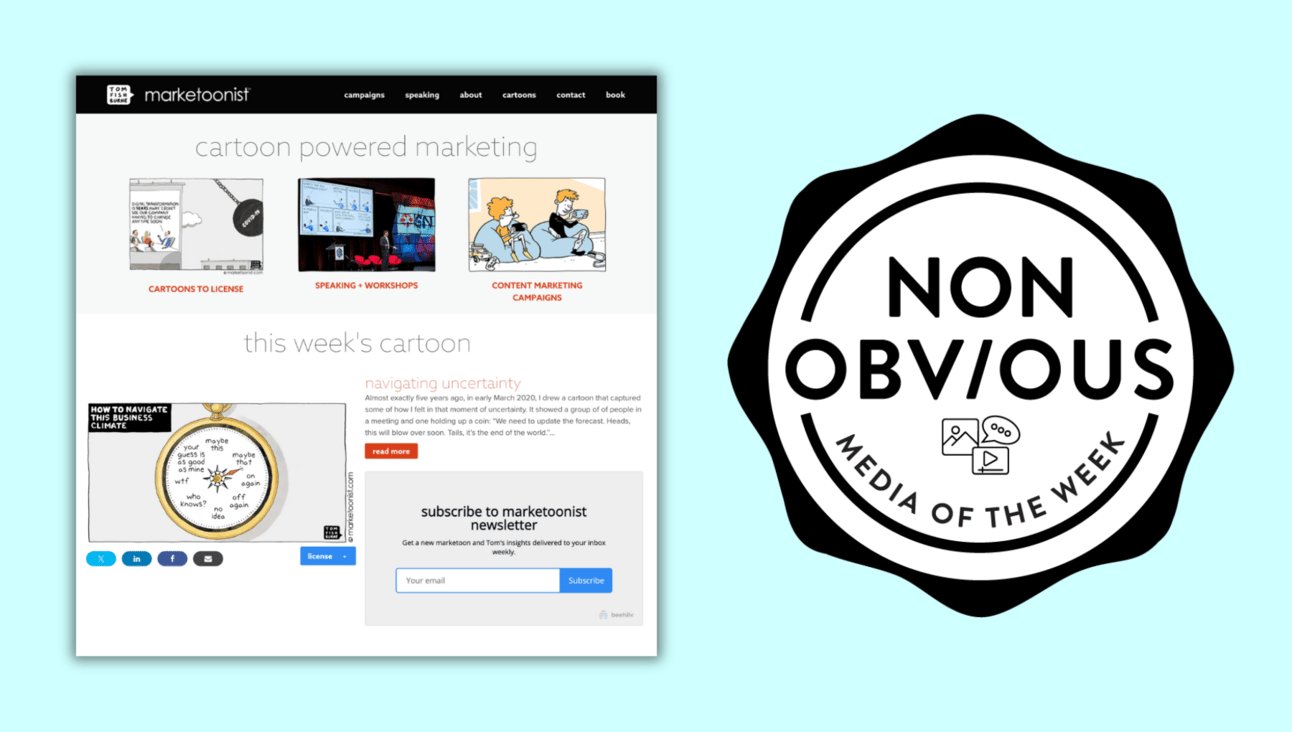 Marketoonist by Tom Fishburne
NEW! This Week In Video …
A recap of this week’s popular videos .... Follow me on Instagram »
The Sad Retreat of April Fool’s Day and What It Reveals About Our Culture
The week of April Fool’s Day, I regularly look forward to reading about all the brands taking risks, exploring their fun sides and doing something with personality. This used to be one of my favorite weeks to read all the advertising trade publications. This year wasn’t as much fun. Much of the coverage seemed to center on spotlighting the cringiest pranks or the weirdest ideas or even offering a historical look back at failed efforts from previous years. So much negativity. Hardly any brands this year seemed willing to explore their humorous side and just commit to a good creative joke.
It is possible that they are reading the room and it just doesn’t feel like the right time to be joking around. Or perhaps cultural polarization is making brands more afraid of any sort of public criticism. Regardless of the reason, this feels like a sad reflection of the media environment right now if joking around suddenly feels off limits. What do you think? If you are a fan of brand jokes and humor in general, did this year’s April Fool’s Day moment feel different than past years?
How NFL’s New 8k “Hawk Eye” Cameras Offer an Interesting Model For Truth and Verification
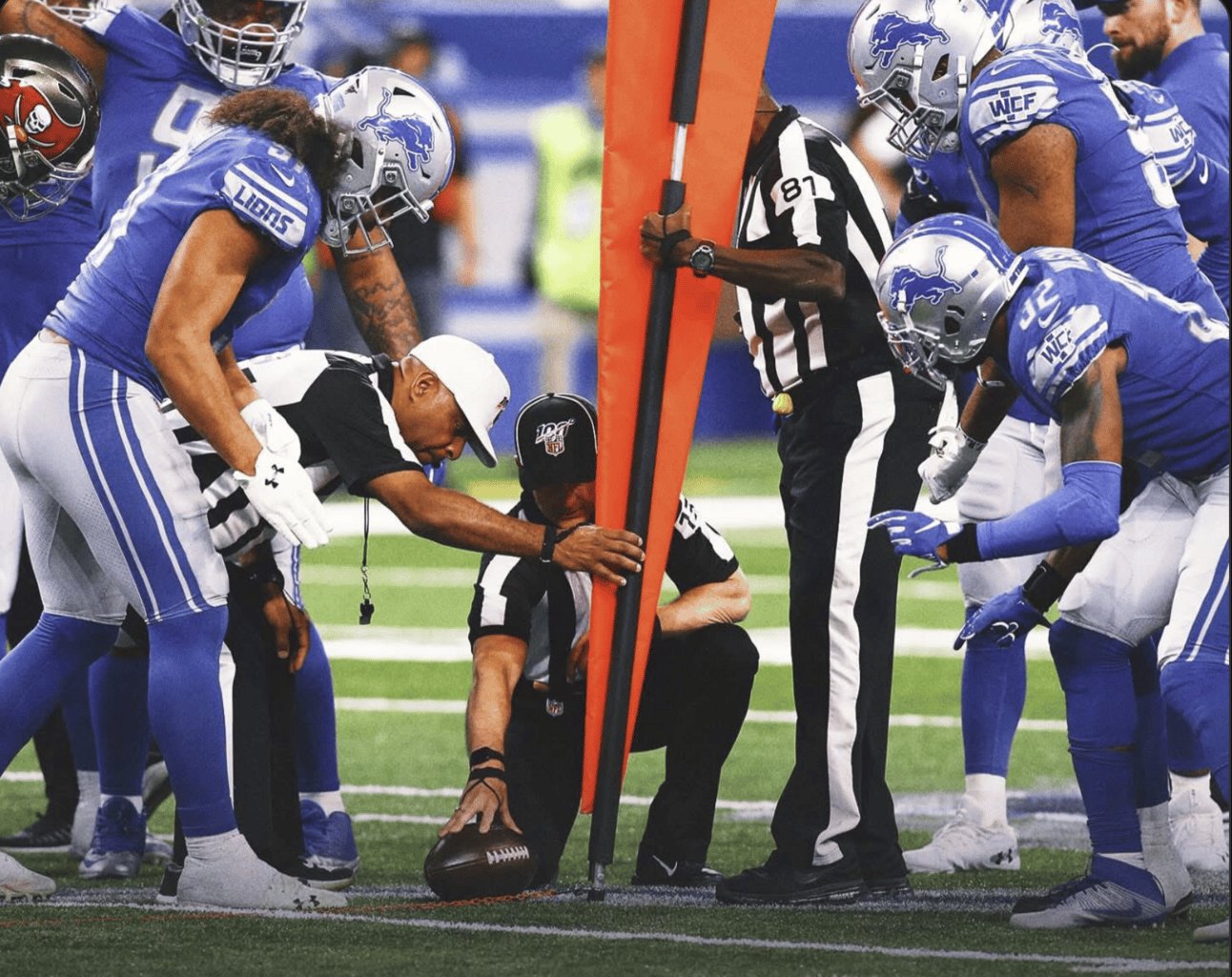
Rather than relying on chains and the human eye to measure whether teams have achieved a first down in NFL football games next season, the league is turning to Sony 8k cameras with a new technology known as “hawk eye” to precisely and instantly measure whether a first down was achieved. The idea is to verify the exact line and distance required by high definition cameras to remove the possibility of human error and make the game faster. Yesterday was also International Fact-Checking day, a holiday described as “a day to celebrate the importance of facts and the news organizations that promote them through rigorous and nonpartisan accountability journalism.” Why am I linking these two stories together?
The idea of the hawk eye camera is based on the insight that the best time to verify something as specific as the exact positioning of the ball is at the moment when a play has been completed. This is real time fact-checking in a sense—a truth being measured and quantified in real time. What if we could do this with media stories and specifically political facts? Imagine taking the content of speeches or interviews actually given by politicians and quantifying the things they have said publicly as fact. Then comparing what they say in real time against those factually verified past remarks. This could combat one issue modern journalists face: people lying about what they have said or pretending like they never said it. Just like teams or referees cannot manipulate the positioning of the ball in an NFL game, politicians could be held more accountable for what they have said in the past or lying about what others may have said or not said as well.
This may be an idealistic idea, but it does seem that if we can verify truth for something like the position of a ball with technology, perhaps we could do the same for other things as well.
The Backstory of How Dubai’s Museum of the Future Was Imagined Is Worth Reading
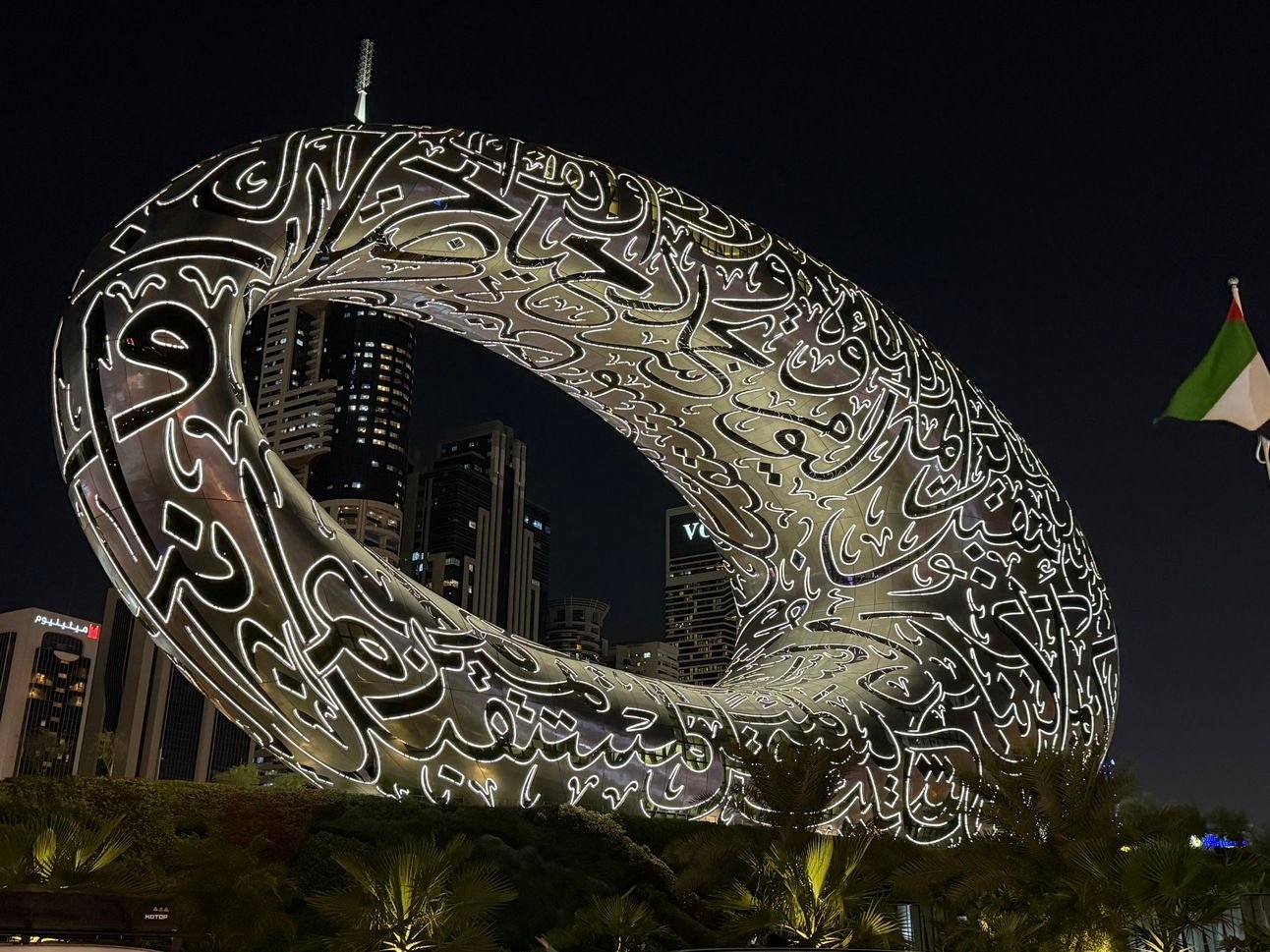
Thirty percent of the visitors to the Museum of the Future in Dubai have never been to a museum before. That’s just one of the fascinating insights that emerge from this interview VentureBeat did with the museum’s creative director Brendan McGetrick about the inspiration and creation of the immersive experiences that are inside the museum. I was lucky to visit for the first time back in January and even as someone who has been to many museums and spends a lot of time thinking about and talking about the future, many elements of the experience stayed with me. From the way that a possible future library of genetic materials from all living things on Earth might look to the way the museum imagines sustainability of the future as regenerative ideas to repair the damage to the environment we are currently inflicting, the concepts were original and unexpected.
As McGetrick describes, the original challenge was daunting: “We had to figure out what a museum of the future even is. That’s exciting because you don’t have any references to draw from, really. You have a lot of freedom to interpret.” Choosing to focus on immersion so people could experience what the future might really look like was one of their earliest guiding principles. As he also notes, “we put a lot of time and thought into the nature of audio, the nature of scent. We have five or six different scents that we made specifically for the museum. Part of that is just to remind people that even in this digitized age, in the end your senses are the original technology, and we should try to use them as much as possible.”
Imaginable by Jane McGonigal
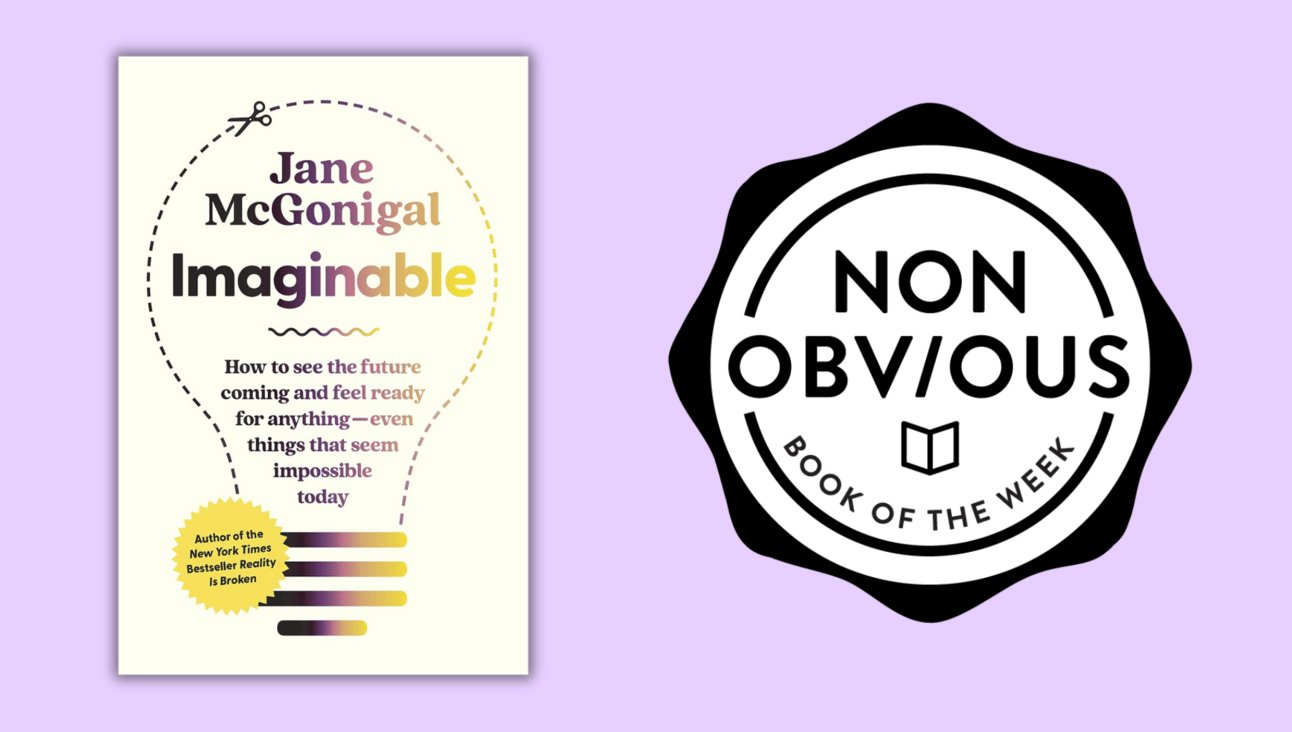
If you are a fan of thought exercises and a visual process to help you imagine the future, this is the perfect book for you. I first read it several years ago when it came out and was immediately captivated. The writing is excellent but the way that the concepts are broken down into easy methods anyone can use in a meeting or brainstorm to see the future and prepare is a masterclass in a book for how to run an effective workshop. Whether that’s your goal, or you just want to open your mind to seeing the future with a new and different perspective, this book will help. For all those reasons, Imaginable by Jane McGonigal is my pick for the Non-Obvious Book of the Week.
The Non-Obvious Media Recommendation of the Week: Marketoonist by Tom Fishburne
I have been a fan of Tom Fishburne, also known as the “Marketoonist” for years. From licensing his cartoons to use in presentations to interviewing him about the power of humor, his insights have been an inspiration for me. The power of cartoons like this is to be able to cut through the noise and spotlight something that at once feels familiar and new. Tom is better than most people at consistently doing that, and understands his audience perfectly.
Despite the lackluster April Fool’s Day this year, I had already planned to showcase his archive of cartoons as my pick for the Non-Obvious Media Recommendation of the Week. Regardless of whether brands and other organizations may be suffering through a moment when it feels more difficult or risky to make a joke, humor remains an essential thing that brings us all together. If you aren’t already following Tom’s work, now is the perfect time to start. We need more people unafraid to make jokes about the things we all relate to.
Listen to my interview with Tom on the Non-Obvious Show Podcast »