What’s In This Issue?
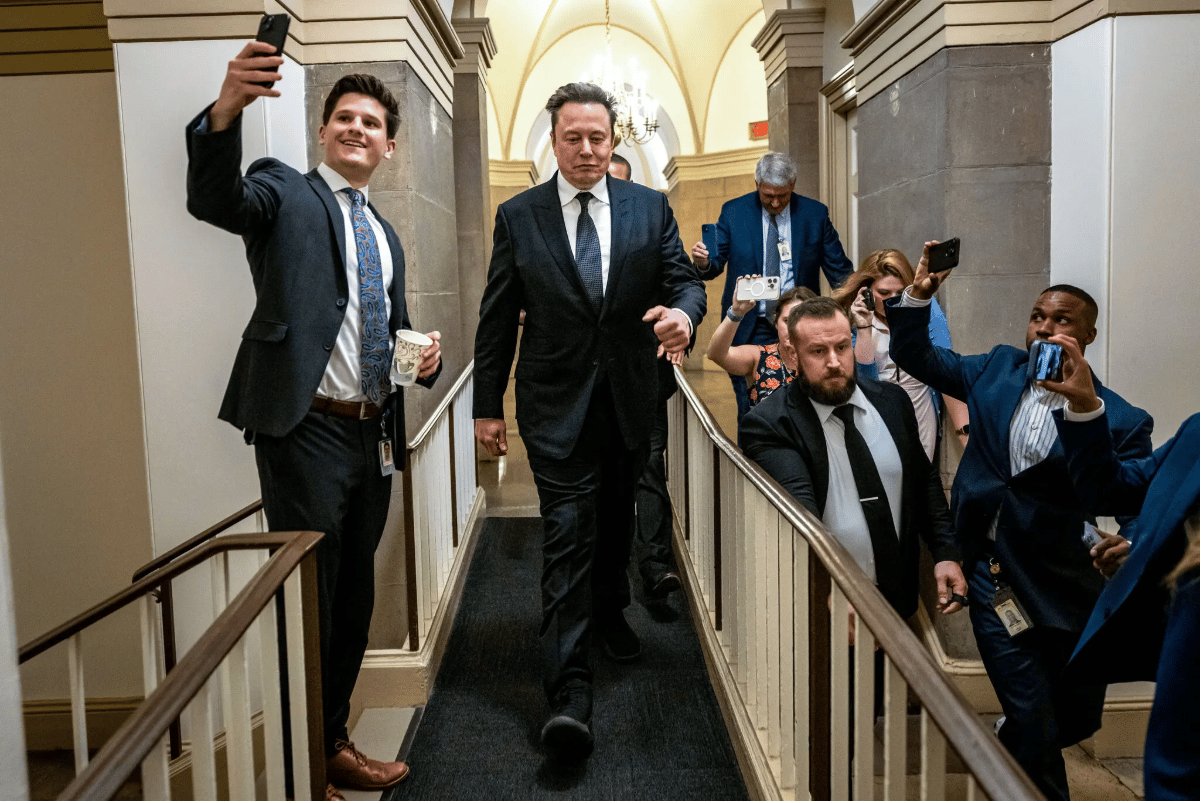 Story 01The Inside Story of Elon Musk’s Takeover of the US Government and Why It Matters
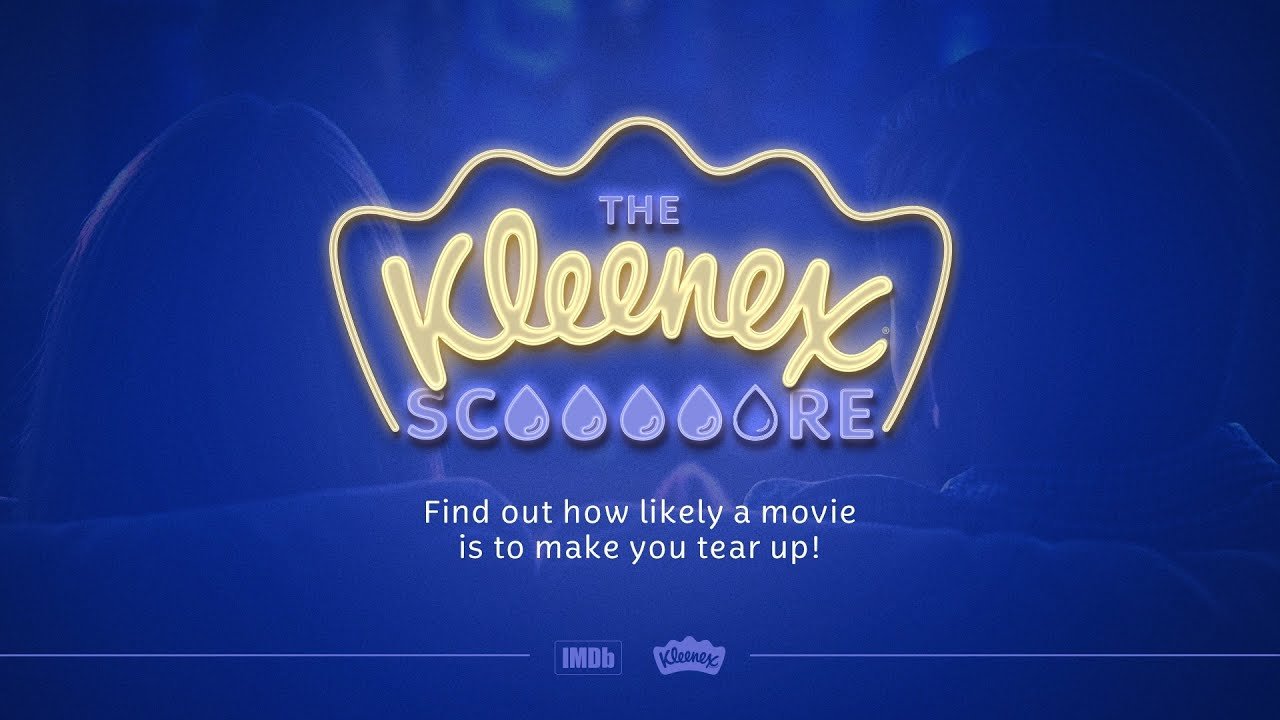 Story 02The Ultimate Movie Brand Partnership: Kleenex and IMDB Launch “The Kleenex Score”
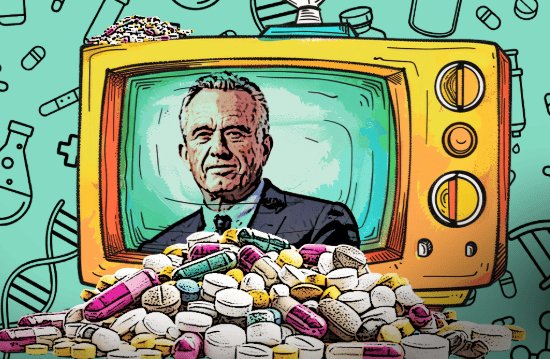 Story 03How a Pharma Ad Ban Could Shift the Landscape of Television Advertising
 Story 04What Entitlement Looks Like? Adrien Brody’s Oscars Award Acceptance Speech
 Story 05The Endless Refrain by David Rowell
Media Recommendation
 Pitchfork Music
The Inside Story of Elon Musk’s Takeover of the US Government and Why It Matters
Here’s the TLDR version of this story: Elon Musk is a visionary who believes he alone knows what humanity needs to thrive in the future and he wants the freedom to execute his vision without any oversight from anybody. Dismantling the Federal government is the fastest way to execute this goal.
This past weekend the New York Times published a meticulously reported exposé of all the moves the Elon Musk and the DOGE group has made to take over the Federal Bureaucracy, as well as offered some explanation behind the long game of all these moves and why they matter. This article is important. In a time when there are plenty of announcements from the new administration designed to distract attention, there are real moves of consequence happening right now that will not be as easily rolled back as overblown tariff announcements. The access granted to Federal government payment systems and databases to Elon Musk’s teams is irreversible even if found to be unlawful later in the courts. You can’t secure information that has already been compromised.
That’s just one of the conclusions of this report that should disturb any American citizen (and many others around the world too) because it’s not about a policy disagreement or even about whether you like having President Trump in charge. This is about the world’s wealthiest man getting exactly the control he needs to do exactly what he wants—regardless of whether it benefits Americans or anyone else. The entire story may leave you feeling powerless to do anything about this, but it could be worse. Imagine if all this was happening and there was no one left to expose it. Despite the disturbing recent reports of eroding trust in the media, this is why we need investigative journalism now more than ever.
The Ultimate Movie Brand Partnership: Kleenex and IMDB Launch “The Kleenex Score”
There aren’t many brands that define their entire category so much that people literally use the brand name interchangeably to describe the product. Kleenex has always had that for the tissue industry, and now they are doubling down on this dominance with a clever new partnership with movie database IMDB to offer “The Kleenex Score” to movies so you can anticipate how much a movie is likely to make you cry. Preparing for that moment, of course, involves getting the Kleenex ready.
This is the perfect kind of brand partnership. Both partners get valuable exposure, the brands are both helping one another to stand out and the idea just makes immediate sense on a human level. Plus it’s super unique and memorable. To borrow another score metric from a recognizable movie rating system, this campaign deserves 100 rotten tomatoes.
How a Pharma Ad Ban Could Shift the Landscape of Television Advertising
The advertising industry is anxiously awaiting potential news that newly appointed HHS Secretary Robert F. Kennedy Jr. who started his term by single-handedly bringing the deadly measles disease back from near extinction, may turn his attention toward the pharma industry by banning all drug advertising on television. Unlike his widely criticized stance on vaccines, this is a move that most Americans support. It’s also one causing significant discussion among those in the advertising and media industry who currently rely on an industry that spent a reported $7.9 billion on advertising between January and October of 2024 alone (a 10% increase over the previous year).
It is part of a larger discussion about the future of television advertising itself. Due to costs of production and media spending required, it has long been a space that is mostly closed to smaller brands without the large budgets required for major TV. There are signs this may be changing with more programmatic options for the smaller players to buy space and promote themselves in more targeted ways on specific shows or on specific networks. The result of this potential ban, along with platforms that open this market to more potential advertising could be a huge disruption.
It could also lead to the same challenge that other industries such as books and media are facing where the glut of low-quality poorly executed creative products is creating noise and frustration among those who need to suffer through them. Navigating Amazon to find a book requires you to also wade through AI-generated garbage, infuriating knockoff “summary style” books and plenty of things that should never have been published. If TV advertising becomes the same, the ads will be more than annoying—they will be unwatchable and yet impossible to avoid because they are the unskippable payment for us to watch what we want.
What Entitlement Looks Like? Adrien Brody’s Oscars Award Acceptance Speech
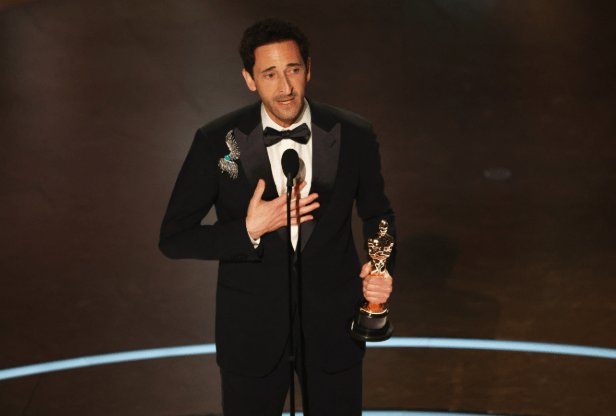
When the Best Actor award was announced and Adrien Brody took the top honor for the second time, he headed toward stage and abruptly stopped. Realizing he was chewing gum, he took it out and threw it to his partner and “personal gum valet” Georgina Chapman. That was just part of the criticism that author Joe Berkowitz offers up for Brody who’s “case study in entitlement” was broken down in this article. The reaction to his speech (which broke the Guinness record for its length) was widely negative, as media called it “self-indulgent“ and “insufferable.” If you watched it, you probably agree. But was it really the length that was the problem?
I don’t think so. Rather, it was the fact that he didn’t say anything of consequence. The entire speech was about himself and an example of a huge ego not interested in ceding the mic for anyone else to have their moment too. It disrespected the audience in the room and erased any goodwill anyone might have felt for him to win the award a second time. Do you agree with the criticism? Was this speech uniquely bad and a learning moment for us all on how NOT to behave, or are the critics inventing a controversy here?
The Endless Refrain by David Rowell
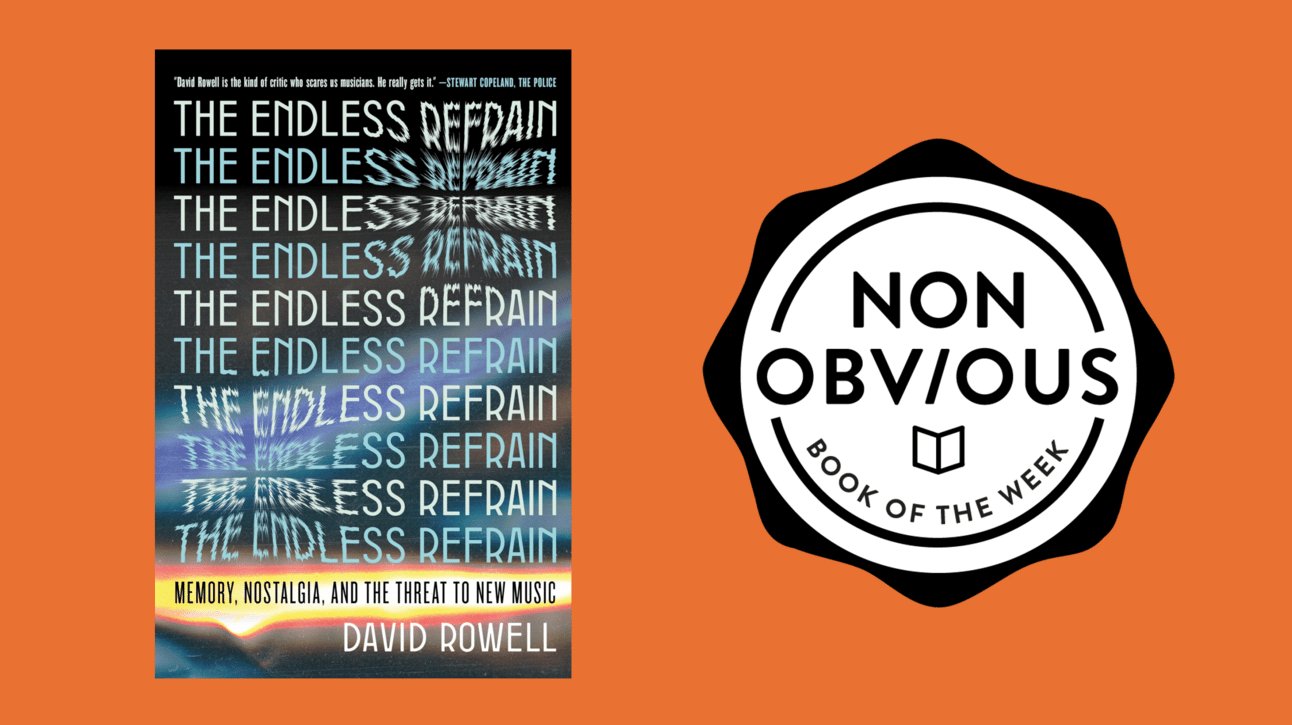
What would a world without any new music sound like? Perhaps we are already there, a reality music writer and journalist David Rowell explores in this deep exploration of the current and potential future of music and those who create it. From considering what it means for holographic versions of dead musicians to be going back on tour, to the impact of digital listening platforms like Spotify on music discovery—this is an wide-reaching but also deeply personal look at the forces subverting music and what it might take for all of us to ensure a future for new music. It starts with something all of us could spend more time doing: choosing to discover new music. Reading this book immediately made me think about how complacent I have been in the music I listen to and inspired me to broaden my listening choices via Spotify. That’s one part of the answer. The other is to make choices to financially support music and musicians, particularly beyond the music that reminds you of your past. You also need music that can help you imagine a different and new future.
The Non-Obvious Media Recommendation of the Week: Pitchfork Music
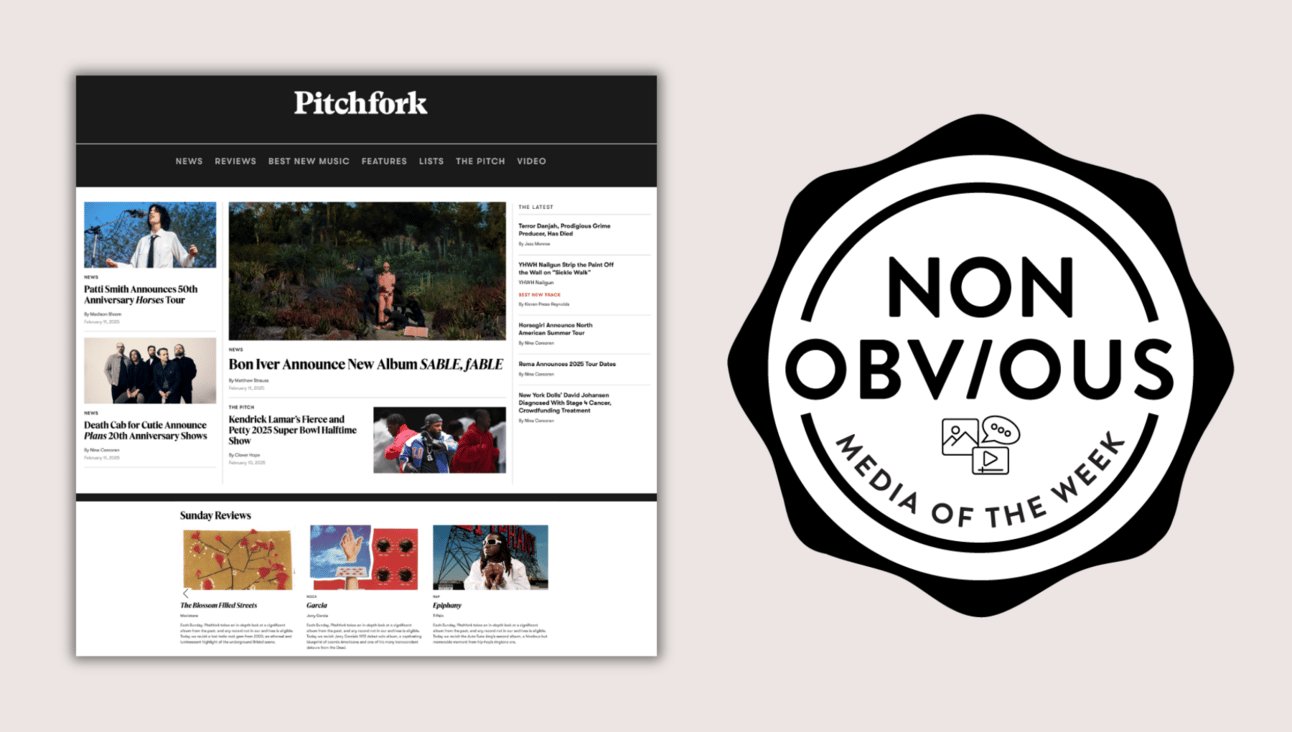
As I head to the largest showcase of music artists in the US, with more than 2000 artists planned to perform in Austin at SXSW, I thought Pitchfork would be an ideal choice the Non-Obvious Media Selection of the week. It’s a platform that focuses on music news, introduces new artists and talks about new music. As you’ll see from my related choice for book of the week, the future of music is in flux right now and we all need to decide to consume music a little differently if it’s going to survive. If you’re only listening to music from the one genre you like or artists you already know, the end result may be that it makes new music more unlikely to emerge or find an audience. Reading Pitchfork is a little bit of a reminder of just how old and out of touch I am because there are plenty of artists I don’t recognize. But it’s also the way I can discover great music, like this collaboration between French singer Oklou and Swedish rapper Bladee.