What’s In This Issue?
This Week’s Main Stories
 Story 01The Future of Markups and Margins Will Be Harder to Justify
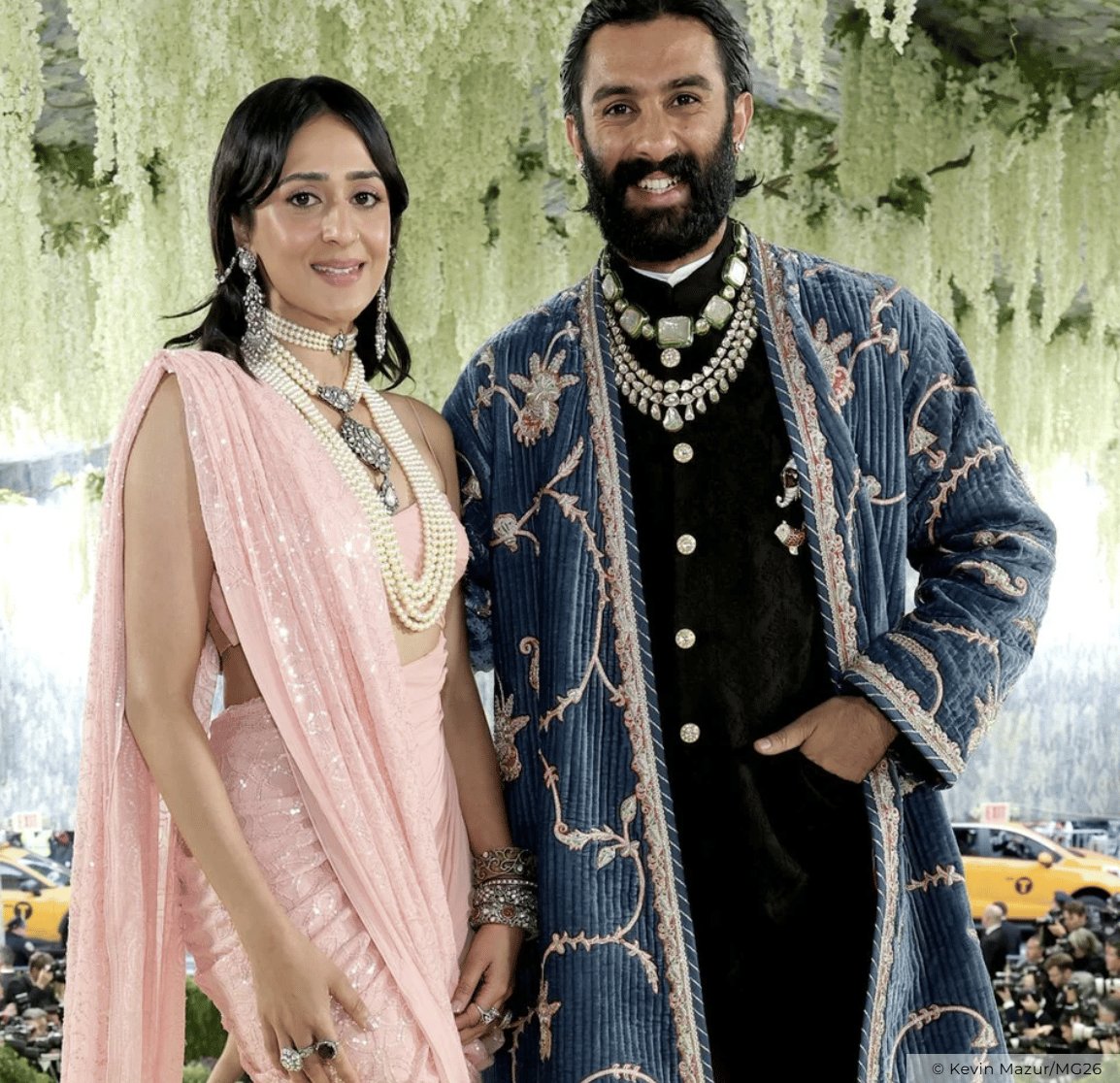 Story 02Forget “No Kings,” Maybe We Need More MODERN Kings (and Queens)
Even More Stories
- North Korea shows off own-brand mobile phones
- Disney+ Plans New Features for “AI Native Generation”
- CNN founder Ted Turner, a pioneer of cable TV news, dies at 87
- US SEC proposes allowing public companies to opt out of quarterly earnings reports
- Delta cuts snacks and drinks from hundreds of daily flights as social media gripes over bare-bones air travel
- Forget Healthspan. Why Men Are Now Focused on “Hotspan” Instead
Media Recommendation
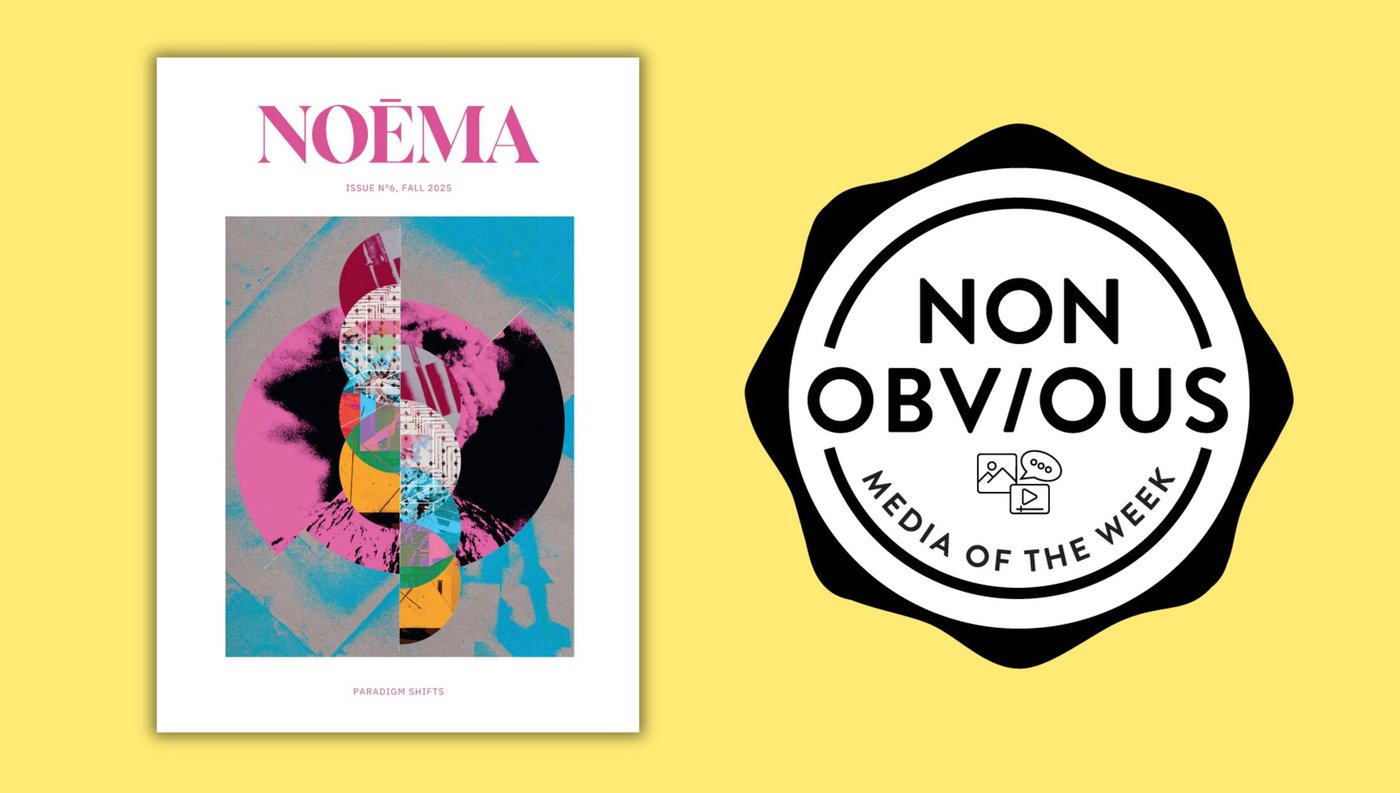 Noema Magazine
Book Of The Week
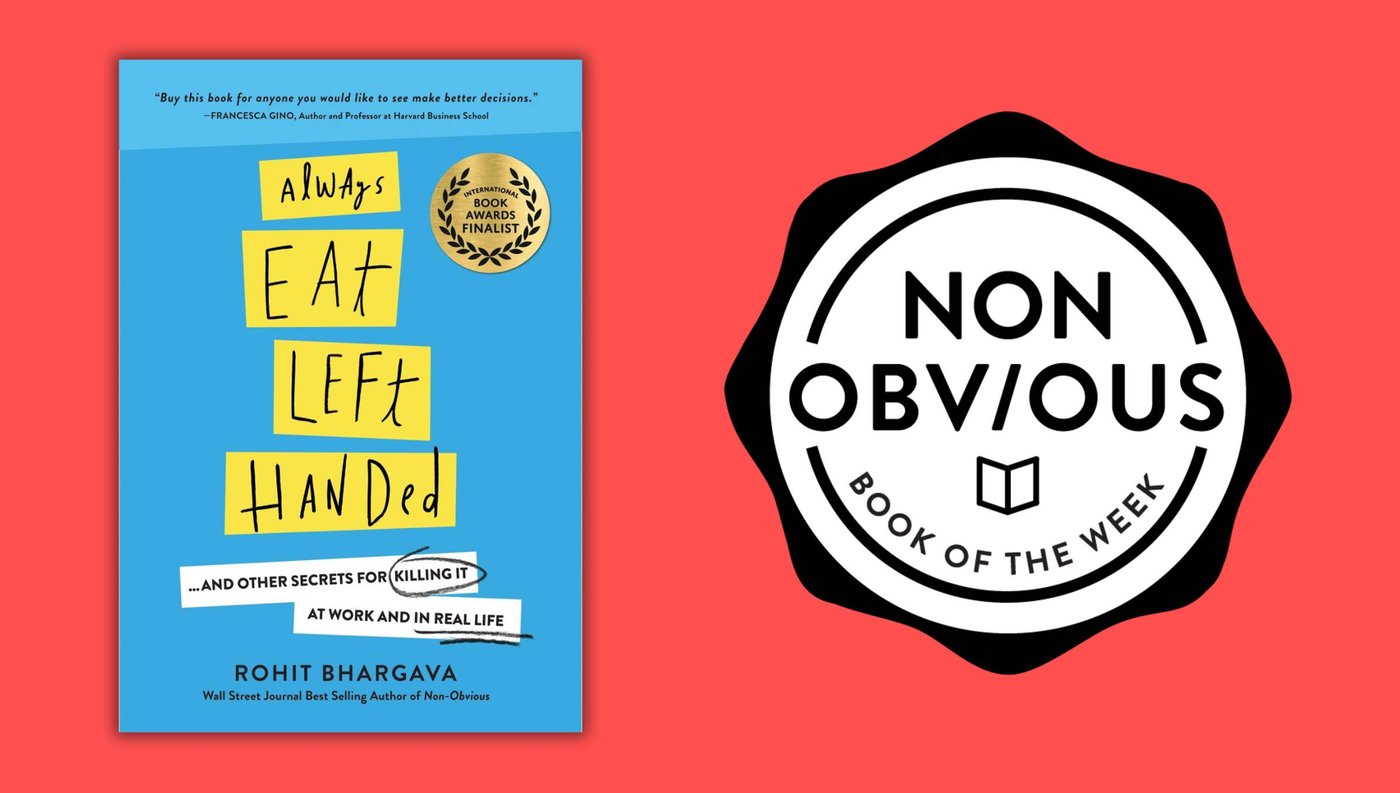 Always Eat Left Handed
The Future of Markups and Margins Will Be Harder to Justify
Inside a new retail concept store called The Markup Marche, the "exotic thirst-defying hydration vessel" is the flowery marketing language used to sell a humble coconut. The market is currently live in six cities around the world: Toronto, London, Paris, Sao Paolo, Mexico City and Melbourne. The point of the store is to expose the often ridiculous 700 percent (or higher) margins that fashion industry brands rely on. An "all-natural energy boosting bar" retails for just $98.50 ... and it's actually a banana. This question of value and what sort of markup is reasonable when thinking about buying or selling anything was a big theme that came up this week. Also this week, big advertising holding company, WPP, reported not just a drop in revenue but also lower margins, sparking some major introspection from industry insiders:
"What drove the decline? Reduced scope of work, fee pressure, or outright budget cuts? The answer determines whether WPP has a cyclical problem or a structural one. Scope reductions are cyclical: clients buying less of the same thing. Budget cuts are cyclical: economies contract, marketing contracts with them. Fee pressure is structural: clients paying less for the same thing. That is a different animal entirely. It doesn't respond to patience or strategy decks. Winning accounts while revenue drops is the diagnostic signature of a business defending share by cutting price. Every account won on tighter terms resets the floor for the next pitch ... The harder task, the one WPP's leadership avoided for a decade, is rebuilding a reason for clients to pay full price."
So in one story, a popup market illustrates a growing shift where "more consumers are separating what a product actually does from the story and packaging built around it." In another, service-based businesses like ad agencies where the days of clients blindly paying markups for questionable value added (such as entire field of media buying) are widely reported to be numbered. The bottom line is, consumer mistrust will likely continue to squeeze margins as anyone aiming to sell anything at a premium will need to work harder to prove they are worth the price they hope to get.
Forget “No Kings,” Maybe We Need More MODERN Kings (and Queens)
History has recorded many bad Kings. Kings that have plunged countries into war, prioritized their own glory, unleashed colonialism into the world. In America, the No Kings movement has focused on linking President Trump to this legacy of destructive royalty.
This past weekend, I visited two dozen embassies here in DC as part of the Passport DC event. All opened their doors and illustrated the power of something that seems to otherwise be vanishing in our world (and particularly in DC): good diplomacy. A part of this is the modern role of royalty. In many countries, the current royals are not conquerors or self-promoters. Instead, they are cultural ambassadors and positive forces in the world. Royalty's relevance today lies not in ceremony or indulgence but in impact. King Bhumibol of Thailand spent 70 years engineering over 4,000 development projects for his country's poorest communities. King Abdullah II has kept Jordan stable and been a force for female empowerment alongside his wife Queen Rania. Queen Mary of Denmark went from an Australian commoner to a Queen fighting loneliness, domestic violence, and maternal health inequality. India's young Maharaja of Jaipur, Padmanabh Singh, uses his global visibility to champion Rajasthani artisans and was recently a viral hit at this past week's Met Gala. Even the often criticized King Charles was credited by the British Tabloids for his "masterclass in diplomacy" on a recent visit to the US. The world could use more royals doing work like this. The powerful lesson here may be that a title and tradition can serve as a force for good if it can be separated from the corrupting influence of political power. We definitely don't need more Kings (or aspiring Kings) if they follow their worst impulses. But maybe not all modern royalty are a bad idea.
The Non-Obvious Media Recommendation of the Week
Noema Magazine
Noema Magazine is a publication from the Berggruen Institute that features a compilation of "new conceptual frameworks to meet the challenges and harness the opportunities of the arriving future." Though the description itself feels high-minded, the publication routinely blends news with perspectives of faith and questions from philosophy to encourage their readers to think more deeply about the world around them. These are long reads and the magazine's articles should occupy that space in your media diet reserved for longer and more thoughtful articles designed to get you asking and pondering bigger questions.
The Non-Obvious Book of the Week
Always Eat Left Handed
It's graduation season and this month I have both boys graduating (one from high school and one from college), so it's an exciting time. Several years ago, I thought about some of the best advice I might share with some of my students who were graduating too and I put it all into a book that features 15 irreverent secrets of success: Always Eat Left Handed. I'm bringing it back this week as the book is approaching its decade anniversary but still has lots of relevant info for the recent grad or young person early in their career. Add it to your graduation reading or gift book list and let me know what you think!