What’s In This Issue?
This Week’s Main Stories
 Story 01The Best and Worst of Super Bowl Advertising
 Story 02The Biggest Business In America Is Growing By Betting On Your Stupidity
 Story 03These Professors Just Proved the Power of Having a Visual Metaphor For Your Strategy
Even More Stories
- The Murder of the Washington Post
- Amazon Ring's lost dog ad sparks backlash amid fears of mass surveillance
- How the Olympic Cauldron Became Its Own Spectacle
- Spotify ventures into physical book sales, adds new audiobook features
- "Robots Need Your Body" - New site Rent-a-Human helps AI Agents to hire humans as gig workers
- British Man Living in the US Rates the Accuracy of English Accents by American Actors
- 10 AI Marketing Trends for 2026: Agentic AI and Search Shifts
- AI is helping call center scammers dupe more victims worldwide
- Former Tesla product manager wants to make luxury goods impossible to fake, starting with a chip
- McDonald's digs into menu favorites to call out weak passwords
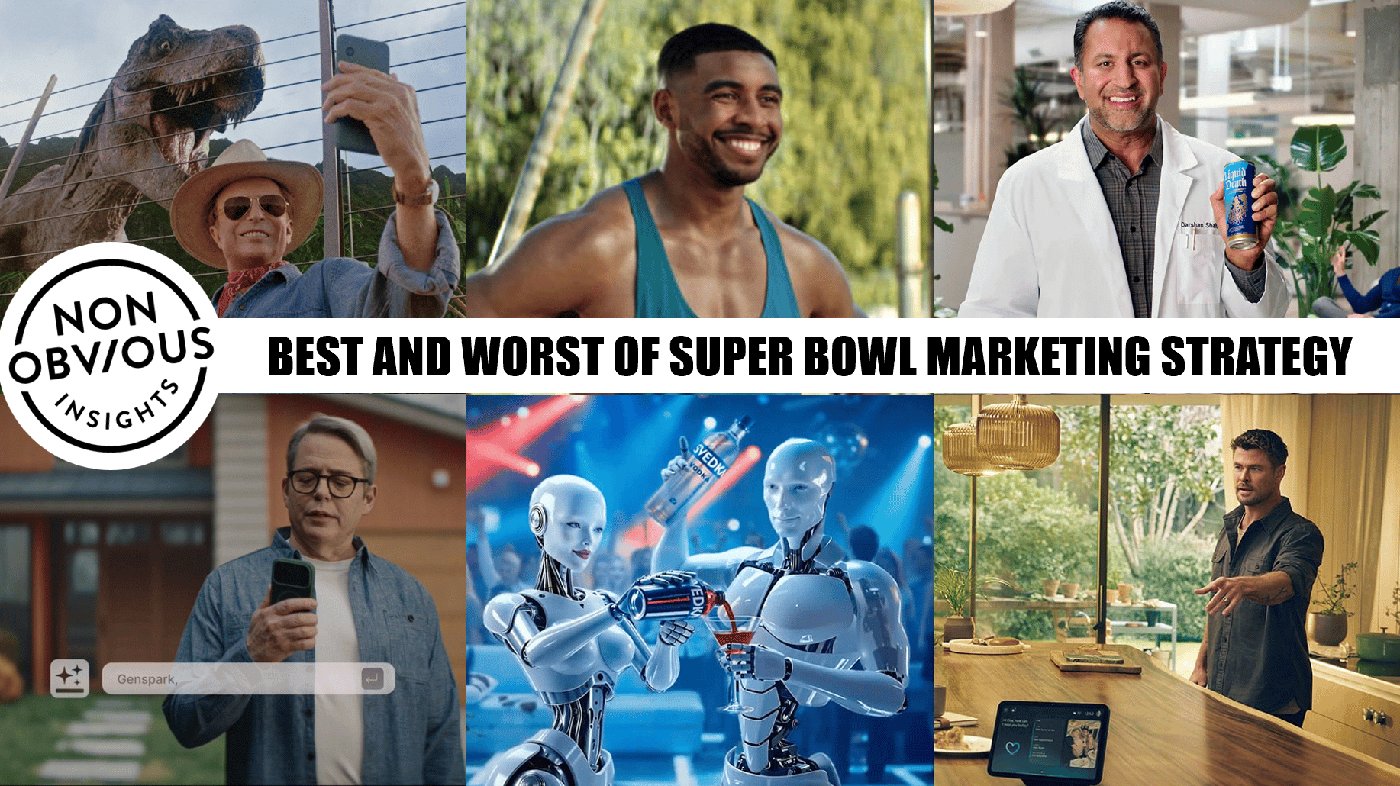
The Best and Worst of Super Bowl Advertising
Earlier this week I published my usual annual recap of the best and worst ads from the Super Bowl. In the days after I wrote that piece, I read many more stories about what stood out for people and for critics. Plenty commented on how the Super Bowl essentially proved that the entire US economy right now may be propped up by AI, cryptocurrency, weight loss drugs and gambling. Several talked about the lack of breakthrough creativity (which I also spotlighted). For me the biggest losers and winners in terms of marketing strategy were all about AI. The best strategy was Anthropic positioning Claude as different because they were not accepting ads. The brilliant satire of what was clearly meant to be a typically inhuman sounding ChatGPT query result was relatable to anyone who has used AI and their message was an example of us vs. them at its finest. As one article noted, this was the best execution of this strategy since the "I'm a Mac" series of ads that differentiated Apple from PC makers.
The biggest losers were also AI focused. Genspark's tone deaf spot asking AI to "dial in this spreadsheet" while suggesting that people "take a day off" felt like a middle finger to anyone who has angst about how AI might affect their job or career ... which is a lot of people. And the worst ad of the day came from Amazon Alexa where they imagined and visualized all the ways that AI might plot to kill you. So the strategy was to make people more afraid of AI or perhaps to prove that Alexa has an emerging skill in finding unusual ways to kill you? As one commenter on YouTube noted: "I think this ad was made by AI except that the AI forgot to mask what it actually wants to do to us humans."
Read the full article and then hit reply (or comment on LinkedIn) to let me know if there are any you disagree with or what I missed!
The Biggest Business In America Is Growing By Betting On Your Stupidity
Gambling is officially mainstream in America, as evidenced not only by how many ads there were for gambling platforms during the Super Bowl but just how common it has become to bet on the outcomes of everything. If you're not paying attention, it might seem like this is nothing new. After all, Fantasy Football betting has been around (and advertised) for years. The difference is, so called "prediction markets" like Kalshi or Polymarket are letting people bet on everything from who the surprise musicians during the Bad Bunny Super Bowl halftime show would be to the direction of economic markets. In traditional sports books, you're betting on specific aspects of a game like who scores the first touchdown or who will win and by what score. Despite some conspiracy theories about game fixing, when you bet on the game you're betting against the sports book (like DraftKings or FanDuels). Prediction markets are different because you're betting against other people. Hopefully dumber people. Take, for example, the bet about the "surprise" halftime show guests. There were likely hundreds of people (from backup dancers to AV techs to stadium security guards) who already knew Lady Gaga and Ricky Martin would be performing. They are insiders and as Bloomberg reported this week, most prediction markets have bets placed by people with knowledge like that. They are essentially betting on stupid amateurs making bets against them which they have no hope of winning ... and they are collecting. For now, this is a wild new and unregulated market which means that for a period of time there are smart bettors (known as "sharps") getting rich by preying on clueless gamblers by making well-informed bets. It's hard to blame them. Technically, they aren't doing anything illegal. It's not even unethical, really. They're just acting on information they have and making a buck at the expense of idiots. Thankfully, the fix is easy. Just don't be the idiot betting against them.
These Professors Just Proved the Power of Having a Visual Metaphor For Your Strategy
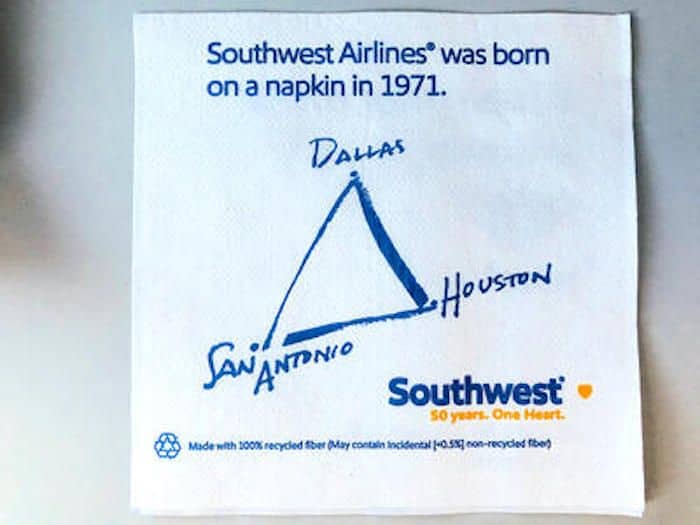
Strategy comes to life when you can make it visual. That's probably not news for most of you, but an article from HBR this week dug a bit deeper into the idea of using visual metaphors when discussing and outlining strategy. The authors not only suggested this point to be true - they actually did some research to explore the effects of a good visual metaphor and what it takes to create one. Among their more non-obvious conclusions was the point that visual "metaphor and storytelling did not change what people understood; they changed how much they cared."
"We found that a successful visual strategy metaphor has to pass what we call the 4 Fs test: It must fit the leadership style, culture, and situation of the organization; feel familiar, yet fresh to employees; and facilitate understanding about the strategy and its elements."
So if you're the sort of leader who tends to use visual metaphor and storytelling, this is an article you can bookmark and share to validate what you're doing. And if you're not, it might be an argument to start.
The Non-Obvious Media Recommendation of the Week: Information Is Beautiful
The title of this site pretty says it all. Recent stories from the site have visualized the most beautiful news of 2025 and the world's most contagious falsehoods. Beyond highly shareable and thoughtful visualizations like these, the site also has a wealth of resources for how to think more visually about the information you want to present and there's plenty of learning options as well to teach techniques for how to do it. They describe their mission as "an independent collective making sense of the world with infographics & data-visuals." Combined with interactive trainings and live events, this is the ultimate collection of resources to help make your information more beautiful.
The Non-Obvious Book of the Week: The Genius Myth
There is a difference between celebrating someone as a genius and giving them credit for their genius moments. That's the premise of this book from journalist Helen Lewis that unpacks the myth of human genius and what causes some people to be celebrated and others to be overlooked. Beyond the bigger idea of seeking out genius, Helen also writes "you can tell what a society values by who it labels as a genius. You can also tell who it excludes, who it enables, and what it is prepared to tolerate." The idea of tolerating things in the name of genius feels particularly relevant right now. An unusual exploration of the common but also commonly misunderstood myth of the genius.