What’s In This Issue?
 Story 01The Next Las Vegas Will Be In The Arabian Desert, But It’s A Secret.
 Story 02The Rewear Chair Makes It Easier To Avoid Washing Your Clothes
 Story 03The First Profession To Be Replaced By Robots Could Be … Sports Referees?
 Story 04Adobe Helps Creators Protect Their Work with Digital Content Credentials
 Story 05VIDEO: Three Things That Make My New Book Non-Obvious Thinking Different …
The Next Las Vegas Will Be In The Arabian Desert, But It’s A Secret.
“The first rule of casinos in the UAE: You do not talk about casinos in the UAE.”
Intrigued yet? This week an article from travel site Skift sorts through the rumors and follows the money in early investments to piece together an inside look at the emerging plans for creating a Las Vegas style gambling destination in the UAE. Despite the considerable cultural hurdles of a regulated alcohol industry and conservative governments, insiders believe these plans are gaining considerable momentum. Top execs from Las Vegas are spending more time in the region. Casino giant Wynn has announced plans for an “integrated resort” that will open around 2027. The region has even established its own General Commercial Gaming Regulatory Authority (GCGRA) and created a website for operators to apply for gaming licenses.
Ras Al Khaimah (RAK), the fourth largest of the emirates seems the likely home of these developments and the early renderings of the Wynn resort suggest the casino might be 224,000 square feet, which makes it larger than the Wynn Las Vegas. While there were no officials willing to be interviewed or go on record for this story - the plans do seem to have progressed beyond just an initial exploration phase. Given the demographics of the region where “80-90% of the UAE population are non-Emirati” and their close proximity to both India and China, a gambling region here will create vast opportunities to bring investment to the area while also changing the tourism experience. Hopefully it won’t make it worse.
The Rewear Chair Makes It Easier To Avoid Washing Your Clothes
You probably have a chair like this. The one where you throw those clothes that aren’t quite laundry. They still have a few wears left. The more clothes you have like that, the more energy and water you are actually saving … so it’s probably a good thing to have them so you can avoid over washing your clothes. This week as part of Dutch Design Week, Uncommon Creative Studio is launching a campaign for eco-cleaning brand that includes presenting this take on the “laundry chair.” The arms are extendable, hold lots of articles of clothing and the intention is “taking a common behaviour and turning it into something beautiful and intentional.”
The chair has a circular seat surrounded by nine vertical elements that all extend to allow you to hang up to a week’s worth of clothes. The effort even has some data behind it, referencing studies that show “nearly one in five adults mistakenly believe that washing less often doesn't impact the planet, while one in ten feel pressured by societal standards to do laundry more frequently.” If you’re among them, this chair might offer the permission you need to do laundry just a bit less often. Who doesn’t want that?
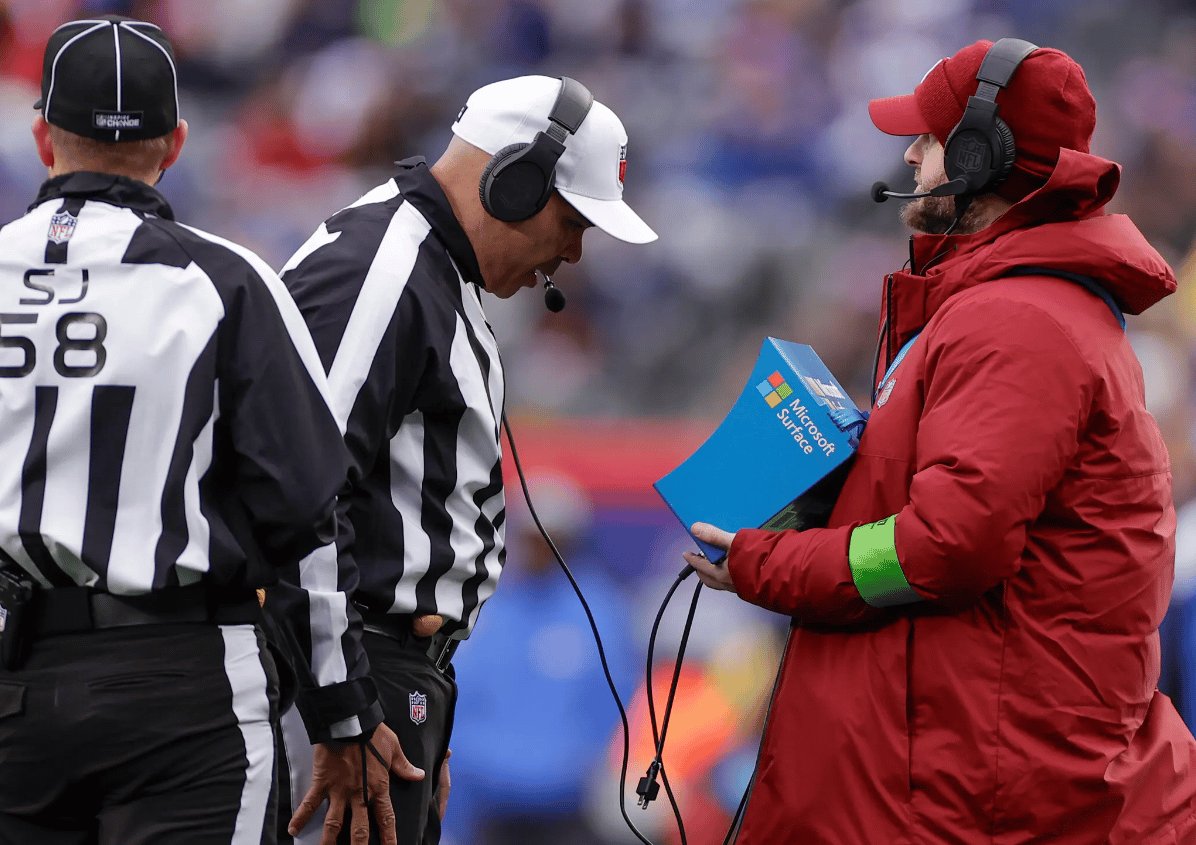
The First Profession To Be Replaced By Robots Could Be … Sports Referees?
In theory, a robotic referee would never miss a call, show bias or be bribed. It would make decisions instantly and eliminate the sometimes-agonizing wait involved in sports where video replay is used to review and sometimes change a call already made on the field. In other words, the data shows robots would make much better referees than humans. This isn’t just a futuristic idea either. Most line calls in tennis are already made by bots. The NFL, NBA and MLB have all been testing some versions of automated officiating. Perhaps most importantly, there aren’t large groups of people protesting to save referee jobs.
All of this points to the perhaps surprising conclusion that maybe this will become one of the earliest testing groups for widespread automation to see how it might work when rolled out. Will people respect the results and accept it as an element of the game? Do we even want perfection from referees or some level of judgement calls in terms of which penalties to call and which to let go in favor of letting athletes play on? These are the sorts of questions that may soon become urgent for us all.
Adobe Helps Creators Protect Their Work with Digital Content Credentials
You would expect Adobe, a company that has millions of professional creators using their software tools every day to find ways to support that community. Their newly announced Content Credentials feature is a way to add metadata specifically to images and video that can certify the rights of the creator. As the challenge of digital rights continues to get sorted out , this is exactly the kind of leadership the tech industry will need to take in order to solve a problem that technology has created.
It’s a refreshing contrast to a story last week that showed just how little responsibility Mark Zuckerberg feels like he and Meta should take for keeping kids safe online. He even went on to suggest that he believes there’s no link between social media and teen mental health struggles. This comes at the same time that some consumers are literally begging the government to ban social media to help them find balance and avoid getting addicted. These stories show the complicated relationship between those who create platforms for us to use and the varying levels of ethical responsibility they feel to ensure those platforms are being used in positive ways.
What do you think? Should the responsibility of mental health or digital copyright to protect ideas be something a platform should manage? Or should it entirely be up to us to manage this ourselves?
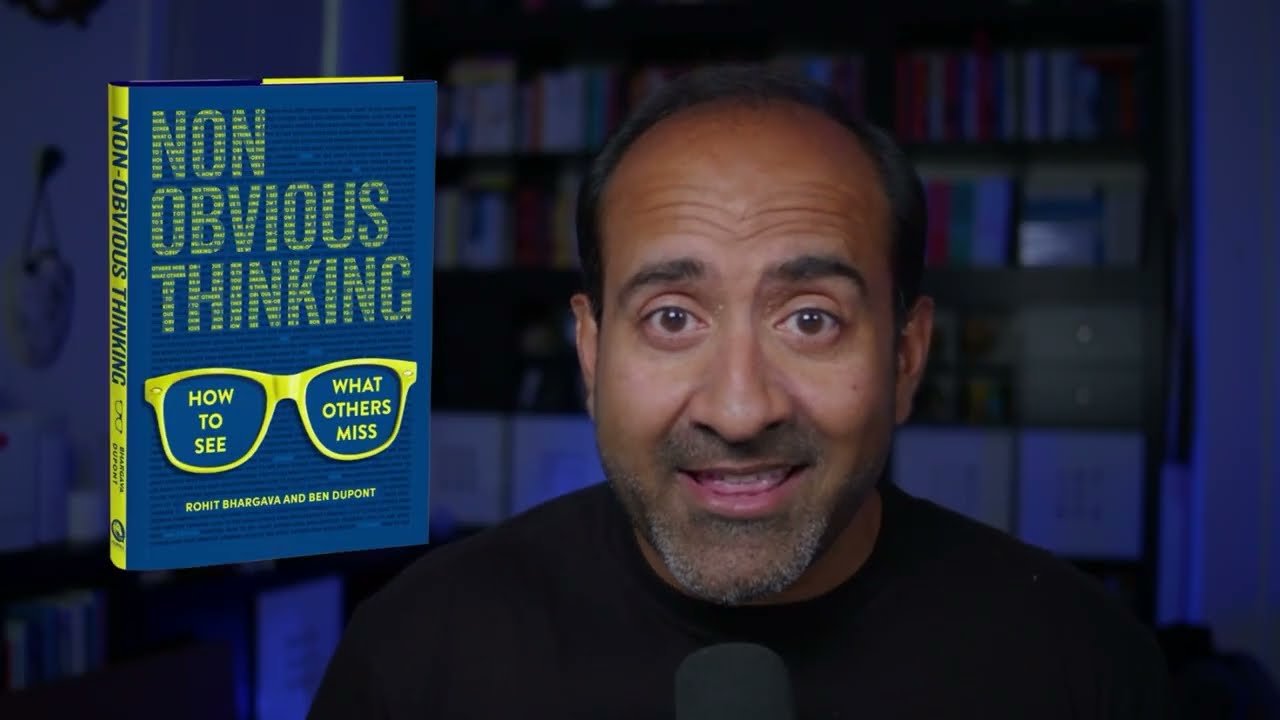
VIDEO: Three Things That Make My New Book Non-Obvious Thinking Different …
Non-Obvious Thinking - Official Book Trailer Video