Invisible Traffic Jams, Selfie Beer Labels and What You Can Learn From 50 Top Futurists
What’s In This Issue?
How A German Artist Fooled Google Maps Over and Over

“I have the feeling right now that technology is not adapting to us, it’s the other way around.” This is artist Simon Weckert describing his intent to help illuminate the ways we over rely on technology. His project involves borrowing 99 devices and then placing them in a red wagon that he wheels slowly down the street. Eventually, as Google reads the location signals, it believes all those phones and people are sitting in traffic and updates the map to indicate a traffic jam where there isn't one. The whole thing is an entertaining commentary on just how much we depend on Google and blindly trust it ... as well as a reminder that perhaps we shouldn't.
Budweiser Flips Their Label To Be More Selfie-Friendly
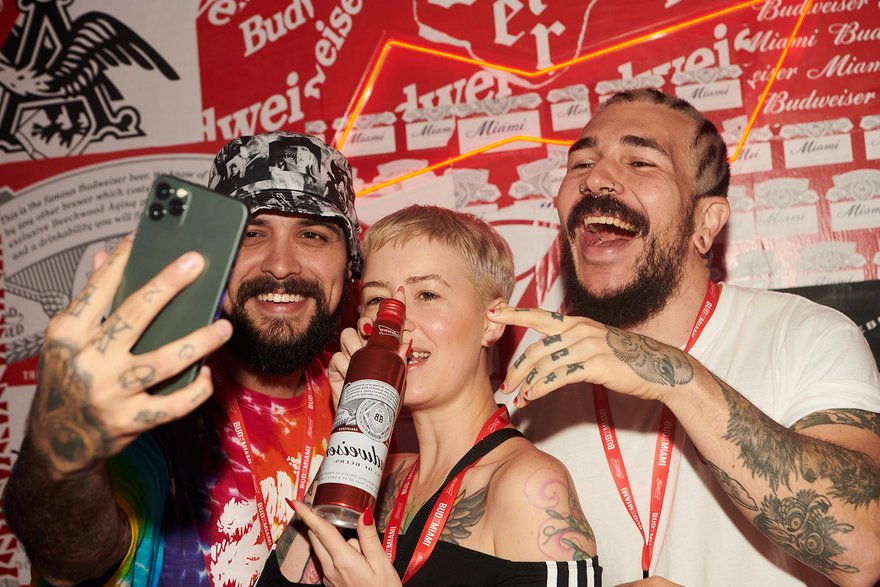
The new #selfiebud is a label design for the social media era. On the surface, it might seem like a step down the slippery road to a new dystopian future where everything is optimized for how it might look on social media. Actually, this could be that too. But it was launched specifically at the brand's exclusive Super Bowl party where they hosted 200 top influencers who were predicted to generate more than 1 billion impressions for the brand based on their posts that day. Given that context, having a #selfiebud reversed label seems pretty smart. Unfortunately for all of us, they probably just inspired all sorts of other brands to do the same thing.
Barnes and Noble's Idea To Diversify Book Covers Hits Backlash
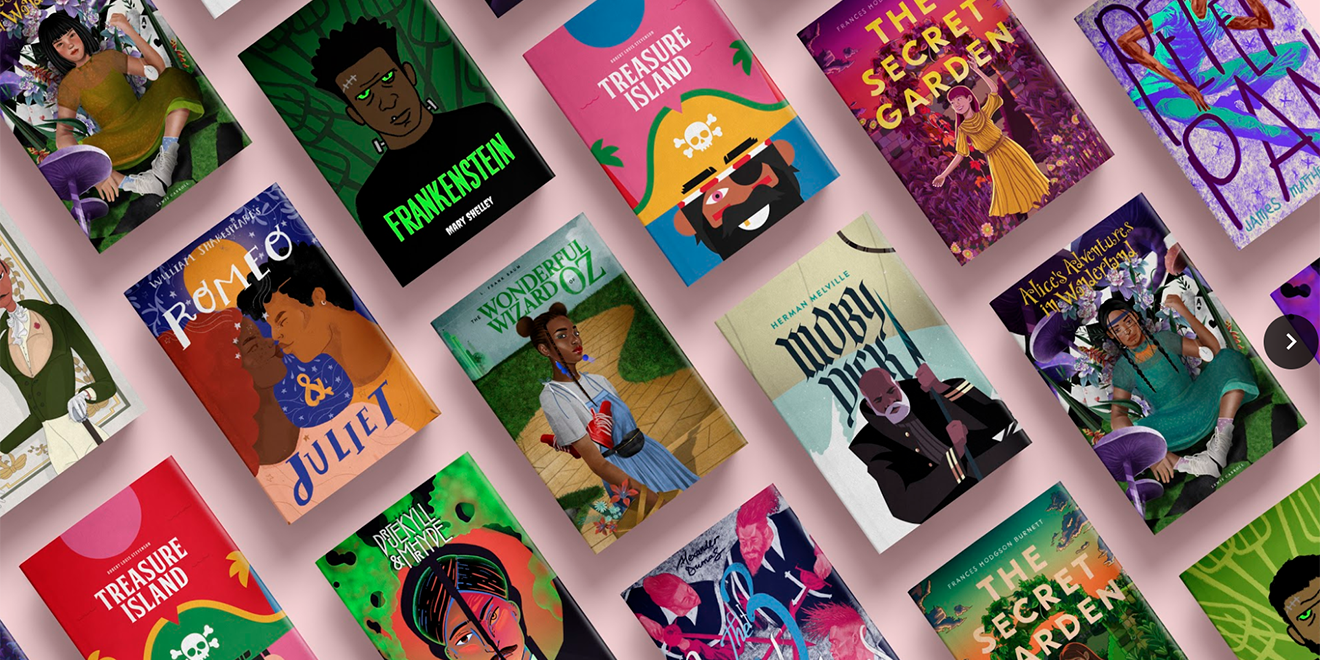
To celebrate Black History Month, B&N launched an effort to redesign the book covers of famous books mostly written by white authors with more diversity. The effort was focused on books where the ethnicity of the characters was never explicitly noted - but many saw it as a hollow effort when the bookseller might have otherwise found new ways to celebrate diverse authors instead. I understand the criticism here, but the intent here wasn't a bad idea. The truth is, we often do make assumptions about the way characters are meant to look that aren't justified by the text - and spotlighting these biases is important. It's a shame that message was lost here amidst the backlash.
Announcing After Shock: Celebrating 50 Years after Future Shock
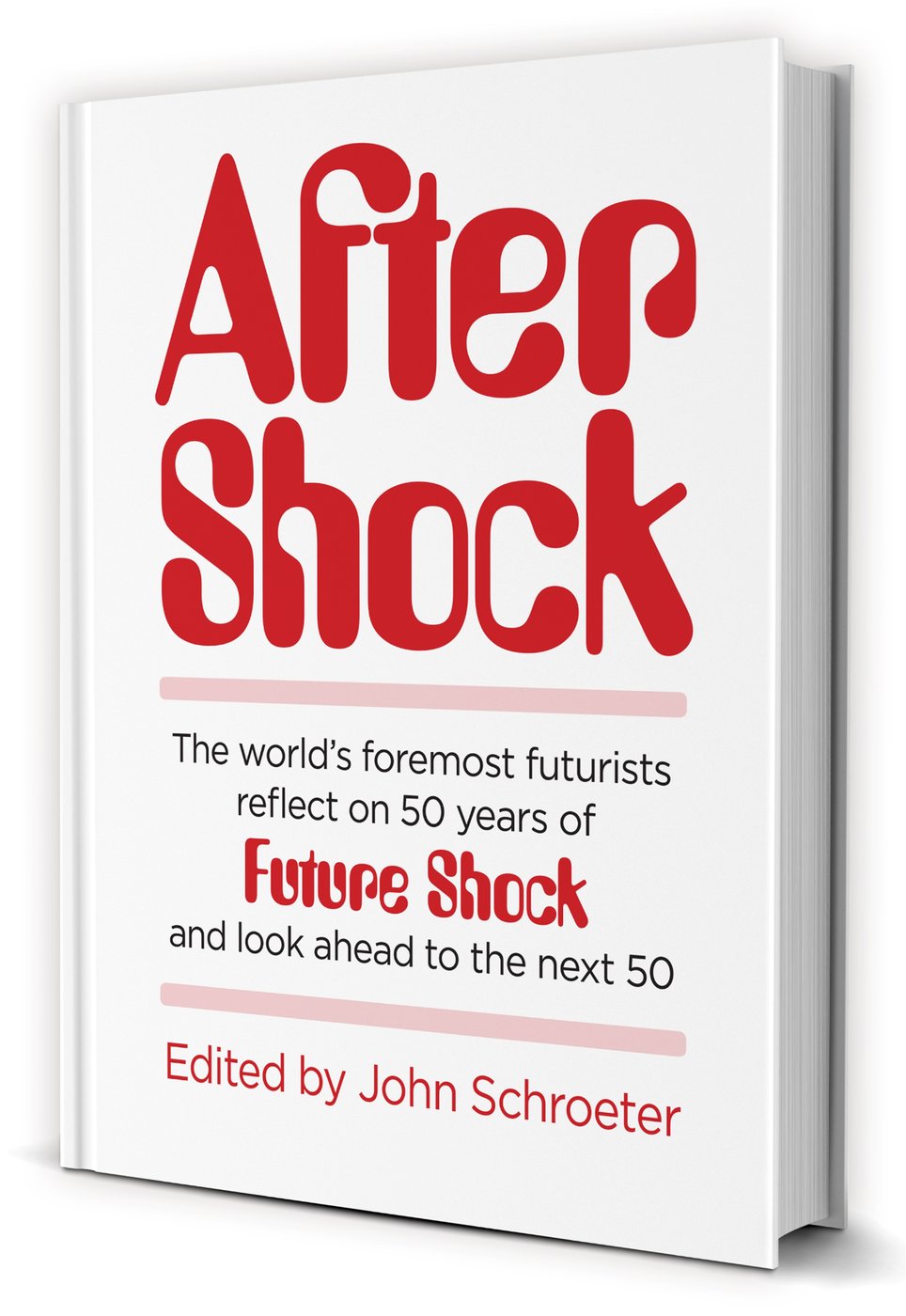
Exactly fifty years ago, noted futurist Alvin Toffler wrote one of the most widely read books about the future called Future Shock. It was a legendary work, and the inspiration for the team at the Abundant Future Institute to seek out 50 top futurists to each contribute a chapter to a book celebrating Toffler's vision and offering new thoughts for a new era. The book is now available on Amazon and if you'd like to read my chapter titled "The Non-Obvious Appeal of Vicarious People" - you can download an excerpt here >>