What’s In This Issue?
This Week’s Main Stories
 Story 01Adobe Is Rolling Out Emotion Mixers Where AI Can Shift the Tone of Voice Overs
 Story 02Electricity Will Be Free In the Future. In Australia, It Already Is.
 Story 03The Sad Shutdown of Teen Vogue
 Story 04Why Zohran Mamdani Won the NY Mayoral Election
Even More Stories
- Scientists can't agree on why some autumn leaves go red
- Billboard Says at Least One AI-Generated "Artist" Is Charting Every Week Now
- The Most Lucrative Side Hustle Might Be ... Ad Fraud
- How Men and Women Spend Their Days
- Why Jeff Bezos' Ex MacKenzie Scott is Still Donating Millions to HBCUs
- NCAA moves to protect student athletes through player availability reports in 2026
- Montreal doctors can now write patients a prescription for a symphony concert
Media Recommendation
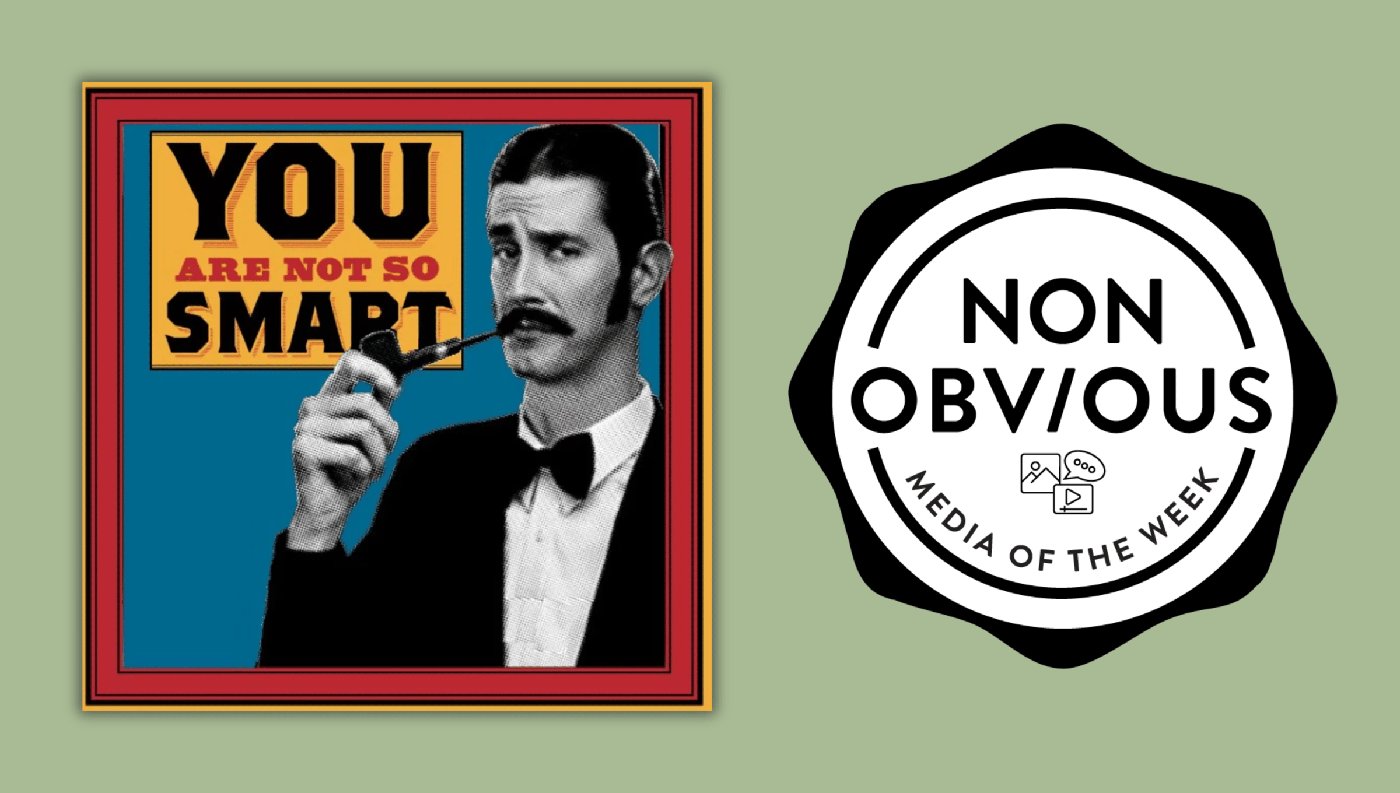 You Are Not So Smart Podcast
Book Of The Week
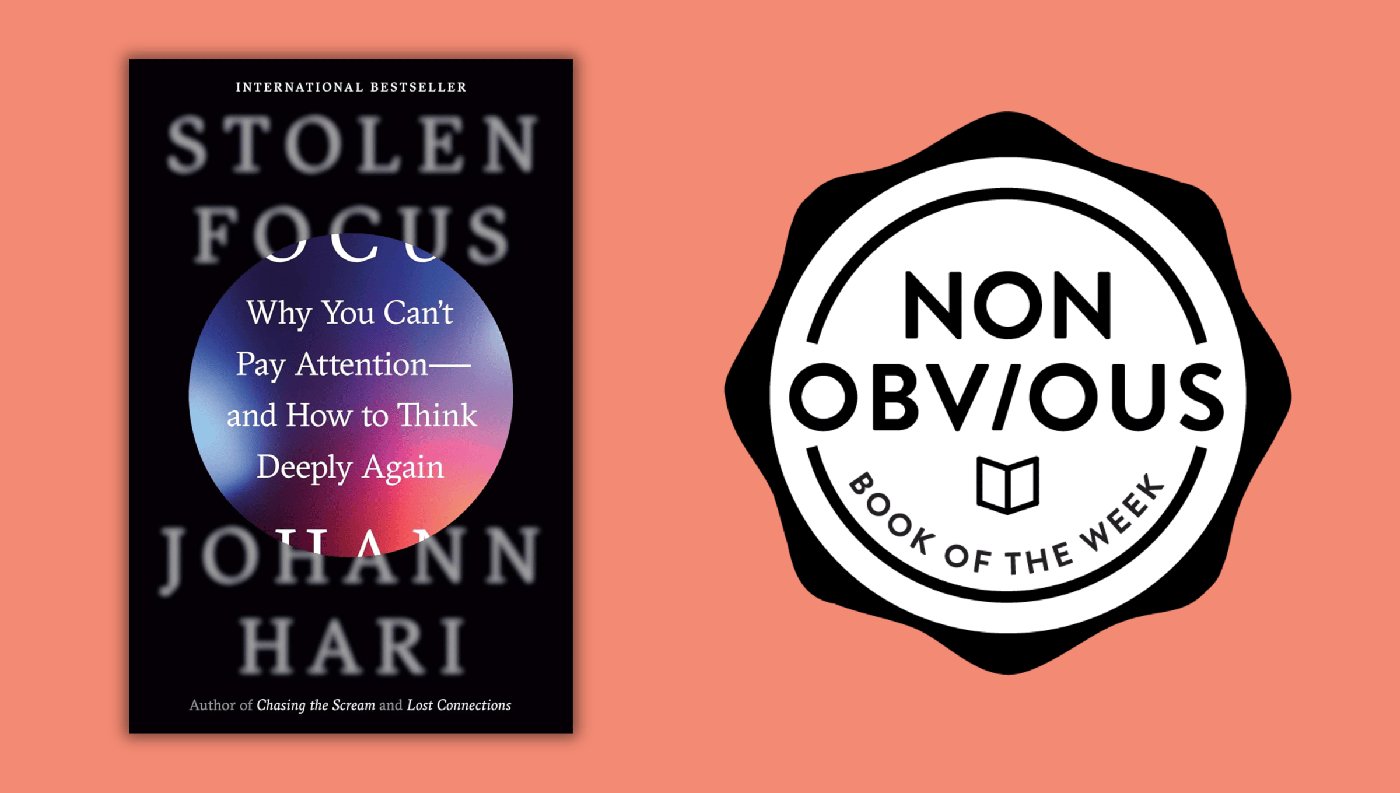 Stolen Focus by Johann Hari
Adobe Is Rolling Out Emotion Mixers Where AI Can Shift the Tone of Voice Overs
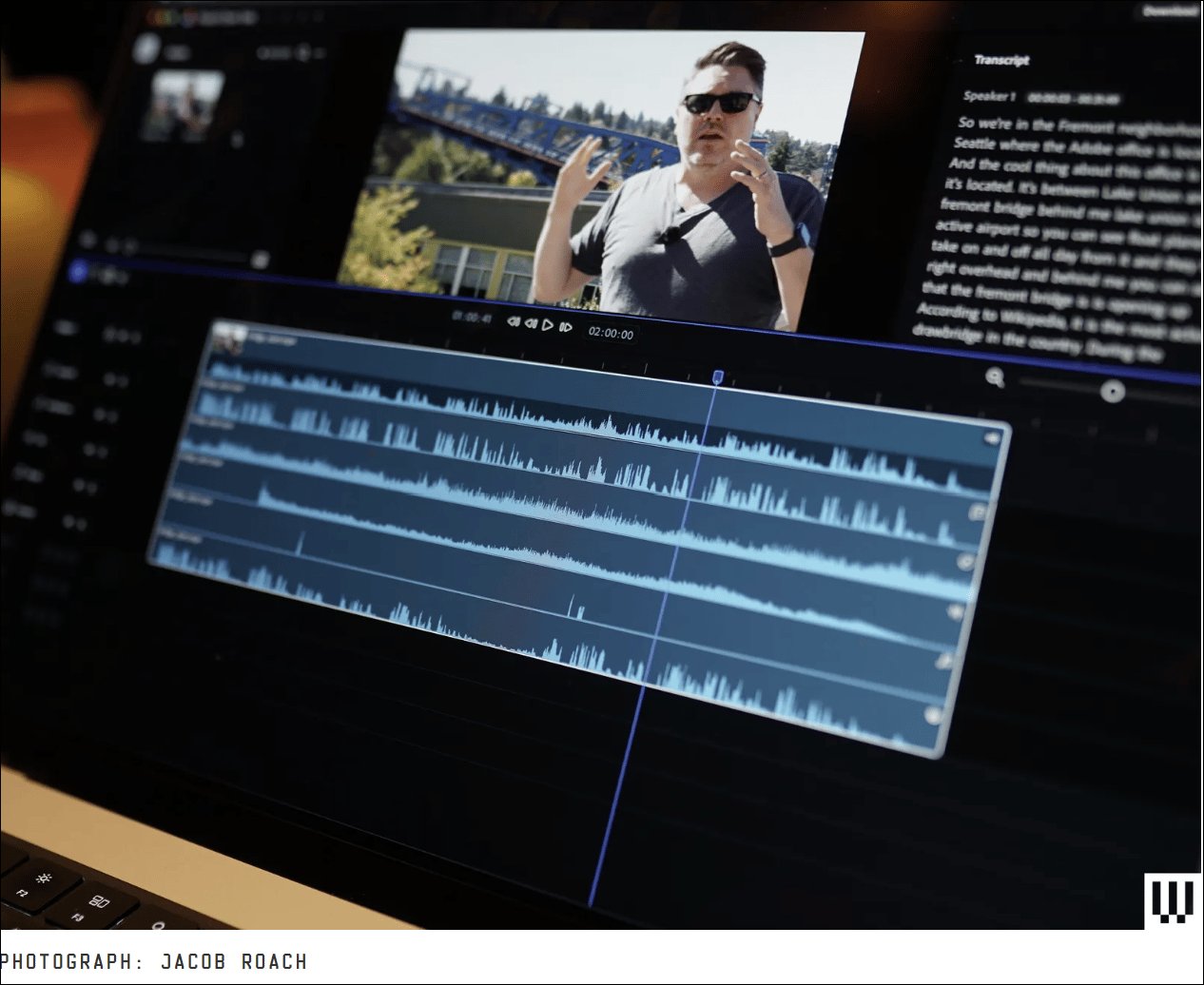
At the Adobe MAX Creative event last week, WIRED reported on several enhancements to audio editing that are likely to be coming soon inside of Adobe products. The capabilities of this "Corrective AI" feature are quite extensive. It can take an audio track and separate it into components to effectively remove or isolate any background noise to adjust them individually. When editing an existing vocal track, an editor can choose from a preset mix of emotions to apply a filter to the vocal track to adjust the level of that emotion in the recording. The tool can also generate background sounds using AI to add to a recording and also isolate licensed sounds like background music and replace it with similar sounding stock music. Altogether, the enhancements do have some people working in sound engineering worried about the capabilities, while others are welcoming the changes as features that will help them do some of the more mundane tasks within sound editing more quickly and easily. Thinking through the future implications of these tools, the idea that the emotions inside of an audio recording can be so easily manipulated is useful for those creating entertainment but concerning for anyone who cares about preserving the original intent and emotions of a recording without the manipulation.
Electricity Will Be Free In the Future. In Australia, It Already Is.
Solar power in Australia costs about a third of what it currently costs in the US. As a result, more than 1 in 3 homes across Australia have solar panels. After years of installations, the investment is paying off. Starting in June of 2026, the Australian government announced that residents in three states will get free electricity for a portion of each day thanks to the surplus created. And that's from less than half of all homes even installing solar panels. If the trend continues, it's easy to imagine electricity could be entirely free for home use at some point in the next decade. Of course, the population of Australia is vastly lower than many other countries but the example is one that illustrates perfectly what many observers of the future believe are the types of innovation that will create a dramatic change to the cost structures of what we currently pay for and the scarcity we currently believe to be unavoidable. What if energy were free (or close to free) for ordinary household use? That used to be a question for the long-term future, but it may be closer than most people think.
The Sad Shutdown of Teen Vogue
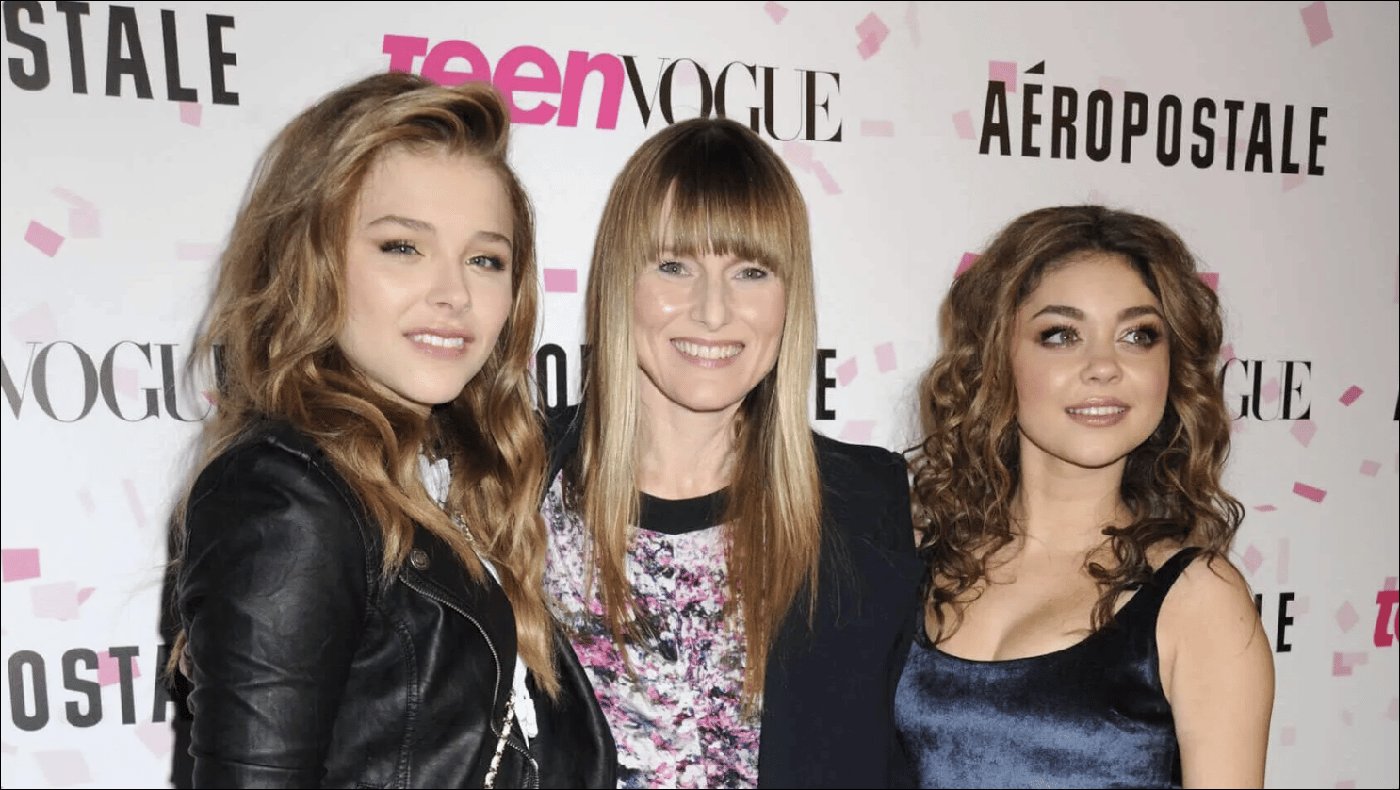
I wasn't supposed to be a fan of this magazine. Yet for the last decade, I would talk about it on stage, subscribe to their stories and routinely turn to their articles as a chance for me to understand a culture other than my own. Teen Vogue helped keep my thinking non-obvious. Now they are being shut down and folded back into the larger Vogue magazine family, and editor-in-chief Versha Sharma (who led the rise of the media platform) has exited the company:
"Sharma's leadership had helped redefine Teen Vogue from a glossy fashion spinoff into a respected outlet for political commentary and cultural reporting. Under her direction, the site became known for smart, youth-driven coverage of climate activism, reproductive rights, and social justice. Her departure, paired with the loss of key reporters, has many questioning whether that edge can survive inside Vogue.com."
This was a perspective that is largely missing from most media. There isn't a "teen" version of any other publication (that I can recall) which offers a more progressive and thoughtful take on the stories that should matter and inspires thoughtful reflection among people under 18. As social media overtakes much of the media diet for people of all ages, this sort of long form credible journalism is more necessary than ever. I'm sorry Teen Vogue is being folded into Vogue and probably losing the things that made it so compelling. I do hope that something else will come and offer that perspective instead. If you know of any platforms that do this which you could suggest, I would be grateful ... and I can share it back in a future edition of this newsletter too.
Why Zohran Mamdani Won the NY Mayoral Election
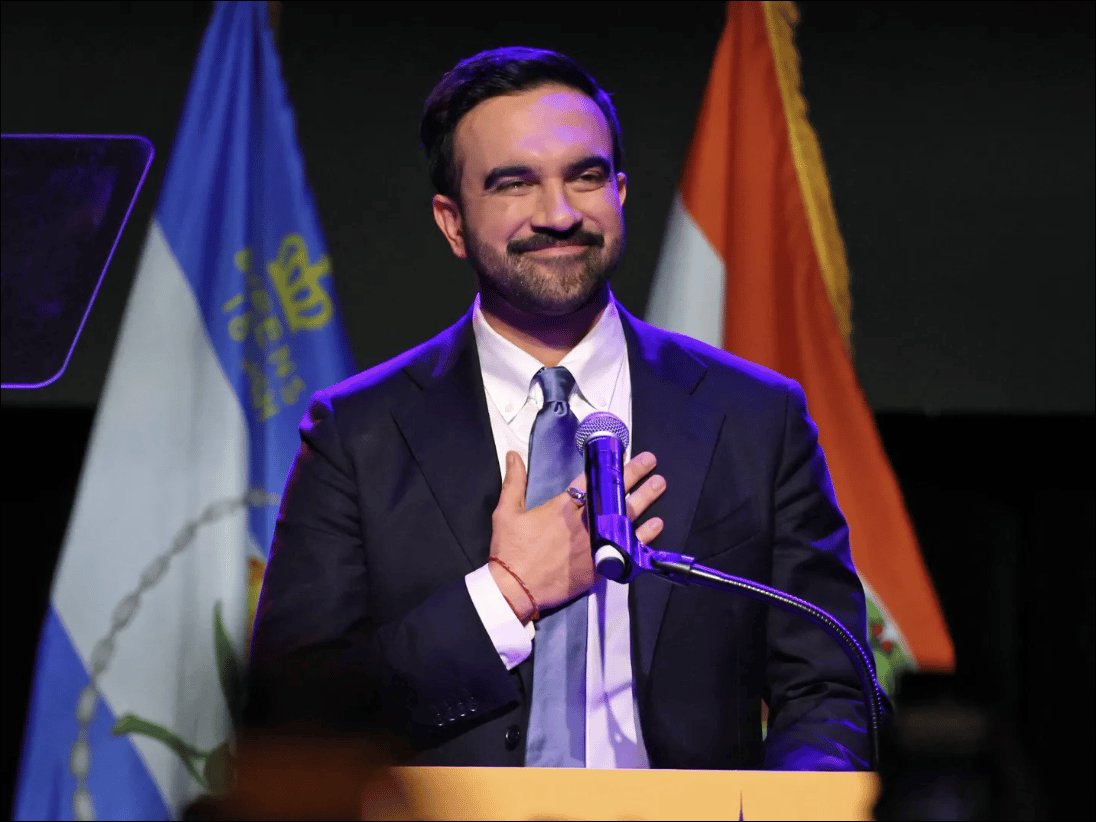
The day after stories of Zohran Mamdani's meteoric rise and win of the NY city Mayoral election were everywhere this week. The best recap I read focused on a specific aspect of Mamdani's campaign that offers lessons beyond politics. Though he received a lot of credit and attention for his savvy social media videos, the real connections with people he managed to make were largely due to his ability and willingness to just show up in person and talk to real people. When contrasted with his opponent's choice to try and use AI-slop videos, the authenticity is what shone through for people. For anyone following the marketing trend lines, the fact that this strategy worked is probably not surprising. The brands that offer this sort of authenticity and connect with customers on a human level are also the ones that survive and rise to the top. The people who understand people always win.
The Non-Obvious Media Recommendation of the Week: You Are Not So Smart Podcast
Aside from the title of David McRaney's book, podcast and newsletter ... the reason this body of work belongs on your media list is because it may help you avoid the decent level of self-delusion that all successful people usually have. The books in his series explain human reasoning and why our own minds often lead us down the wrong paths. In the podcast, he explores these topics through fascinating conversations and the alignment between the editorial choices of YANSS as a brand and the Non-Obvious mindset are really quite frequent. That was the sense I had the first time I met David a few years ago at an event, and I have become a follower of his work and insights since then.
The Non-Obvious Book of the Week: Stolen Focus by Johann Hari
You are not distracted; your attention is being stolen. That's the premise of this bestselling book that explores exactly how tech companies manage to build addictive products that effectively steal your attention and keep you hooked to scrolling for hours and hours. Apart from diagnosing the problem, Johann also offers insights on how we can all fight back and regain what has been taken from us. This was a timely read when it first came out back in 2022 and is arguably even more important right now.