What’s In This Issue?
This Week’s Main Stories
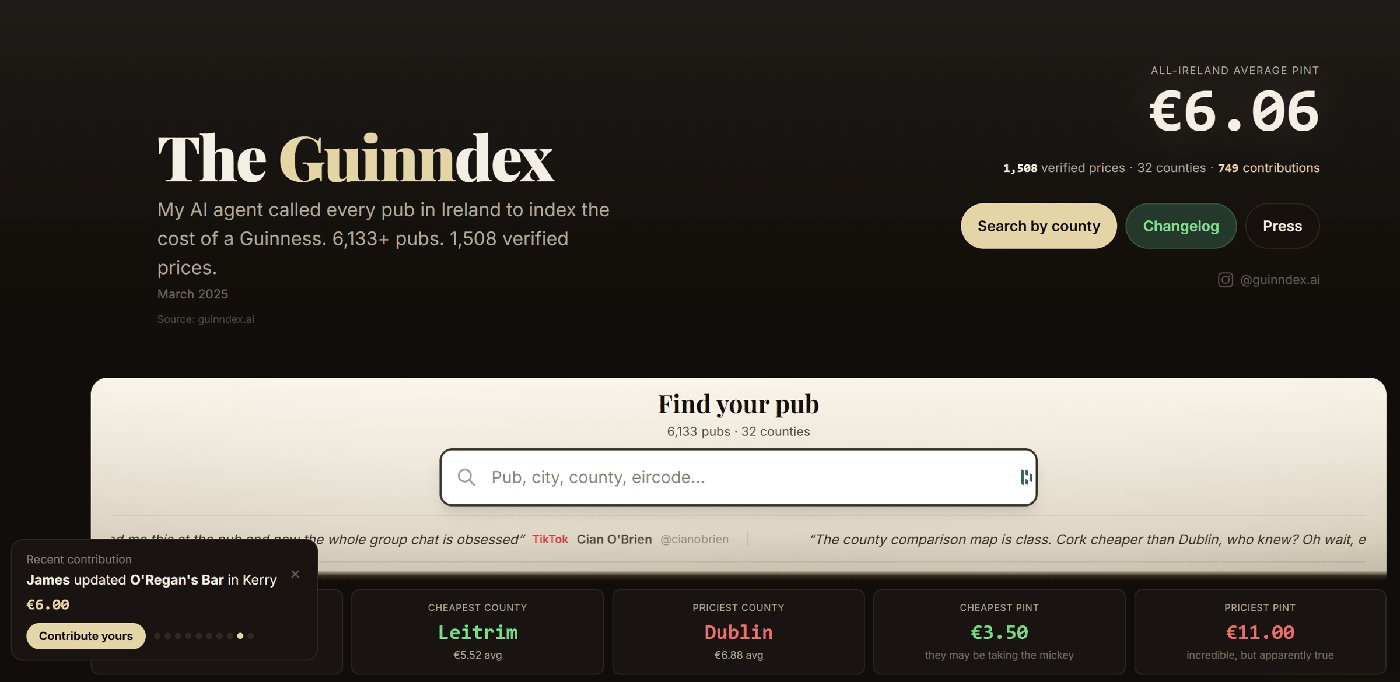 Story 01How One Man Lowered the Price of Guinness by Using AI to Call 6,000+ Pubs Across Ireland
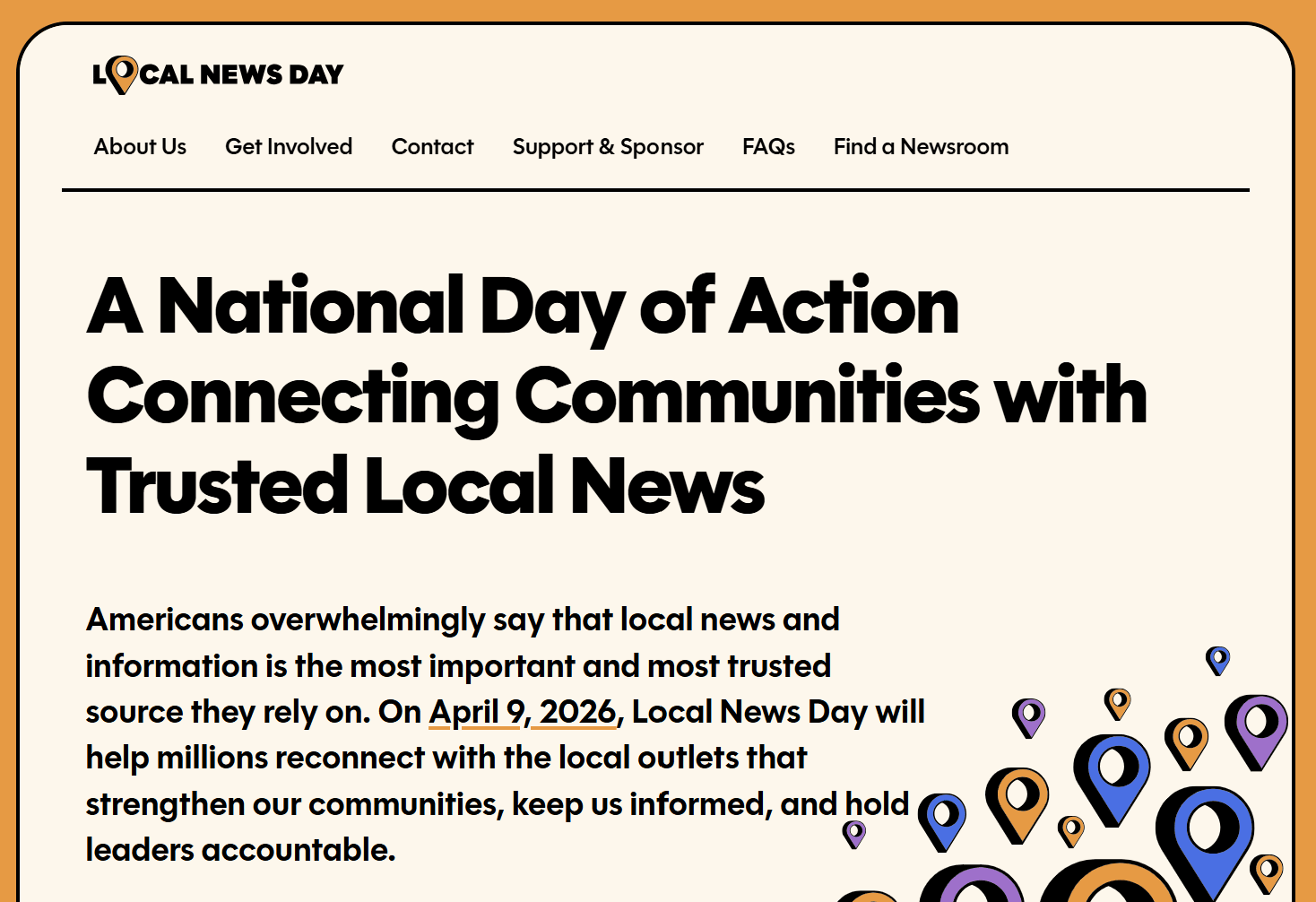 Story 023 Big Reasons That Local News Day (Today!) Should Matter To You
 Story 03The Tragedy of American Taxes Isn't Actually the Taxes
Even More Stories
- Why You Can't See Space Junk in Artemis II Photos
- India Begins The World's Biggest Census to Survey Over 1.4 Billion People
- Can AI Responses Be Influenced? The SEO Industry Is Trying
- Sam Altman Proposes Robot Tax As American Economy Transforms
- This Wearable "Olfactory Device" Lets VR Users Smell Stuff In Real Time
- Why Open AI Really Shut Down Sora
- The Case For More Gen Z Teachers
Media Recommendation
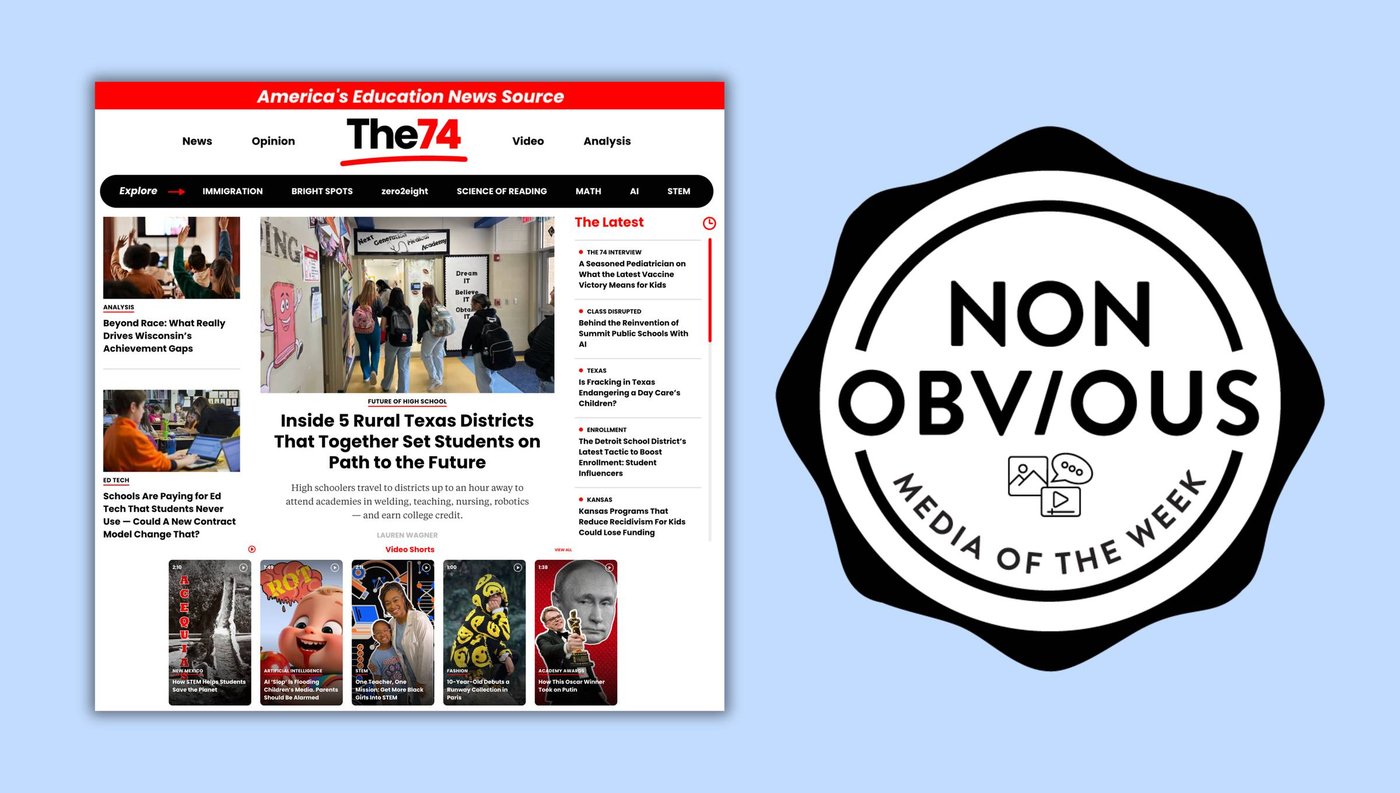 The 74
Book Of The Week
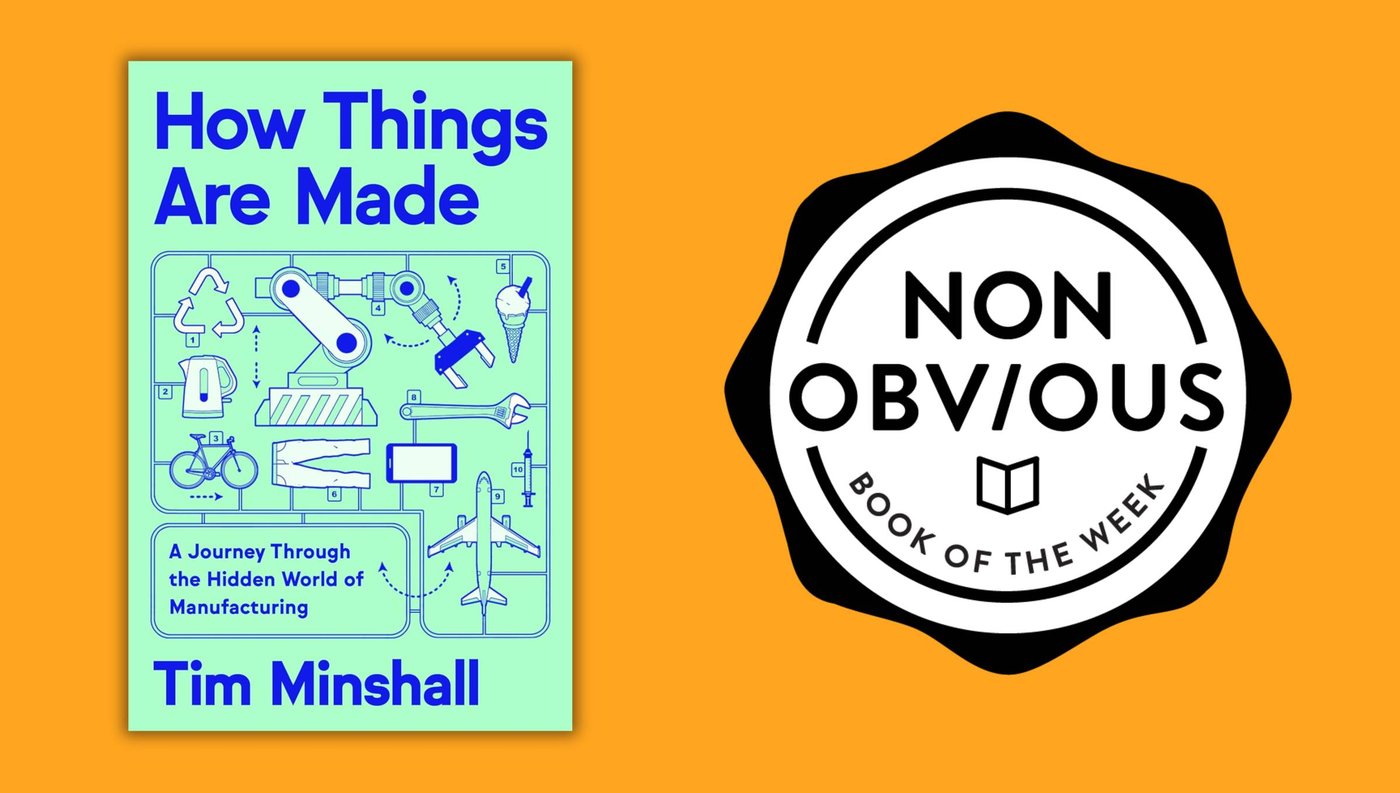 How Things Are Made
How One Man Lowered the Price of Guinness by Using AI to Call 6,000+ Pubs Across Ireland
Here's a story that has everything: an entrepreneur's frustration, an immediately useful idea, game changing use of technology ... and a great brand name. It starts with an Irish engineer named Matt Cortland who couldn't shake the feeling that he had just overpaid for a pint of Guinness at a local pub. Lacking the evidence to back up his feeling, he turned to AI and build an agent he named Rachel, programmed it with a female voice in an Irish accent and tasked the agent with calling every pub across Ireland (more than 6,000) and asking whomever answered what the current price of a pint of Guinness was. The answers were subsequently compiled by Claude into a chart which he then built into a website that he dubbed the "Guinndex" to illustrate the price of a pint of Ireland's favorite beer across the country. The average price was €6.06 with the highest price coming in at €11 from the upscale Temple Bar in Dublin. The effort has gone viral, turned Cortland into something of a local folk hero and is even shaming some pubs into lower their prices—which seems to have been his real mission all along. So far, the plentiful marketing opportunities this should offer don't seem to be happening ... which is a major missed opportunity. The Temple Bar could lean into their "most expensive" ranking and serve the beer in gold rimmed glasses. The brand itself could make him an official spokesperson/ambassador. The only thing that could have made this better is if the whole thing launched on St. Patrick's Day.
3 Big Reasons That Local News Day (Today!) Should Matter To You
Today is the first annual Local News Day in America (April 9th) and Non-Obvious Company is signed on as a partner and supporter. If you're a longtime reader of this newsletter, you know that I'm a big advocate for the importance of journalism in our modern world (not be confused with opinion journalism). Local news is a sadly shrinking part of the information landscape and it desperately needs our support to survive. Here are three questions that local news helps to answer and why it should matter to you:
1. What's happening in your area? Your local publications are the ones that are often most in tune to local events, places to go and also local legislation that's likely to affect your life but that's mostly ignored by other news media. 2. What does the news mean for you? Whether it's local or state level legislation or the local impact of federal announcements, or just giving you the weather, local news breaks down what the big picture means for your life. 3. Who are the winners and losers? Like most good journalism, local news can help you understand both sides of an issue by focusing on the all important question behind a story ... who's winning and who's losing?
Even though Local News Day is today, there's still time to sign up as a sponsor or an individual supporter. Better yet, use the map to find and support the local news sources near you (if you're based in the US).
The Tragedy of American Taxes Isn't Actually the Taxes
People hate taxes and filing their taxes, yet the tax refund check is the "biggest single payment most Americans get all year." It is tax season in the US and so there are plenty of stories about tax policy this week, as well as peripherally related stories like the one about Sam Altman proposing a robot tax (among other things) to help society deal with AI. The story that stood out for me this week, though, offers a perfect glimpse into how effective government is often held back from helping people by entrenched interests. In 2024, the IRS launched an intentionally small "Direct File" pilot program that allowed US tax payers to submit their taxes directly without the need for expensive consultants or third-party software. It was a big success. In 2025, the program was discontinued leaving the "Free File" program which has its own sneaky problems: The Free File program, which dates back to 2002, allows the industry to claim that it's possible to file taxes free while working to ensure that most people keep on paying. The bottom 70 percent of taxpayers ranked by income are eligible to use the Free File program. That's about 100 million households. Only about three million use it each year. Instead, every year, millions of people eligible for Free File pay to use virtually the same software from the same companies.
Intuit's behavior has been particularly egregious. ProPublica reported in 2019 that the company had concealed the landing page for the Free File version of its product so that it was invisible to Google and other search engines. It also created a stalking horse called TurboTax: Free Edition, which pushed users to pay for add-ons. After it got caught, the company abandoned the Free File program.
Despite its success, the potential growth of a free government system allowing people to pay their taxes quickly online threatened the livelihood of the "$17B tax filing software industry." So the lobbyists went to work and the extremely promising IRS system that would have "saved Americans an estimated 13 hours and $290 in fees" met its untimely end. So what's the solution here? There's a silver lining that may point to the answer. Apparently, in 2025 before abandoning the Free File program, "the federal government published most of the program's source code on GitHub." Now all we need is an entrepreneur with a similar sort of vision to what drove Mark Cuban to build CostPlus Drugs as a way to cut the middlemen out of pharmacy sales. If you know one, please forward this email on to them.
The Non-Obvious Media Recommendation of the Week
The 74
The 74 is a nonprofit news organization covering America's education system from early childhood through college and career. We center our reporting on the teachers, innovators, researchers, school leaders and politicians who shape that education, sometimes for the better, sometimes for the worse.
Our mission is to lead an honest, fact-based conversation about how to give American students the skills, support and social mobility they deserve.
What's happening in education across America? The 74 has the answer with authoritative coverage on all things education. While you might add this to your regular reading list, it's also a good example of the sort of niche focused media site that belongs in your media library because it's one of the best places you can go to find the truth behind any story related to education you read from any other news source. From a media literacy point of view, having go-to sources like this to verify truths before you believe or share them is critical. For that reason, The 74 is my pick for the Non-Obvious Media Source of the Week.
The Non-Obvious Book of the Week
How Things Are Made
How did the stuff that made it into your life get made? For most of us, the manufacturing process is a mystery, but if we better understood how these things get to us, we might make different choices about what we choose to buy. That's the big idea behind this book from college professor and Head of the Institute for Manufacturing, Tim Minshall. His book is an eye-opening look at every part of the manufacturing process, from the making of things all the way through to the transportation of how they get to us. The book is a great read, and (spoiler alert), you can also catch Tim on an upcoming episode of the Non-Obvious Show podcast too.