What’s In This Issue?
This Week’s Main Stories
 Story 01The Clever Secret Message Behind South Park's Delayed Episode
 Story 02The Tuna Cans Film Festival: A Perfect Throwback Marketing Strategy?
 Story 03The New Science of the Trend Towards Grey Divorces
Even More Stories
- Elton John's Removed Kneecaps Get Transformed Into Gold Jewelry
- Albania Appoints an AI as Government Official
- This Airbnb Feature Focusing on Services Will Make the Worst Part of Group Trips So Much Better
- Business Insider reportedly tells journalists they can use AI to draft stories without disclosing it
- The Bigger Threat to Books Than Bans - The Ebook Monopoly
- Montana's "Right To Try" Law Woos Longevity Startups By Becoming a Mecca For Experimental Medicines
- Silent Creative: how no-sound ads win attention
Media Recommendation
 Podcast: What Now? with Trevor Noah
Book Of The Week
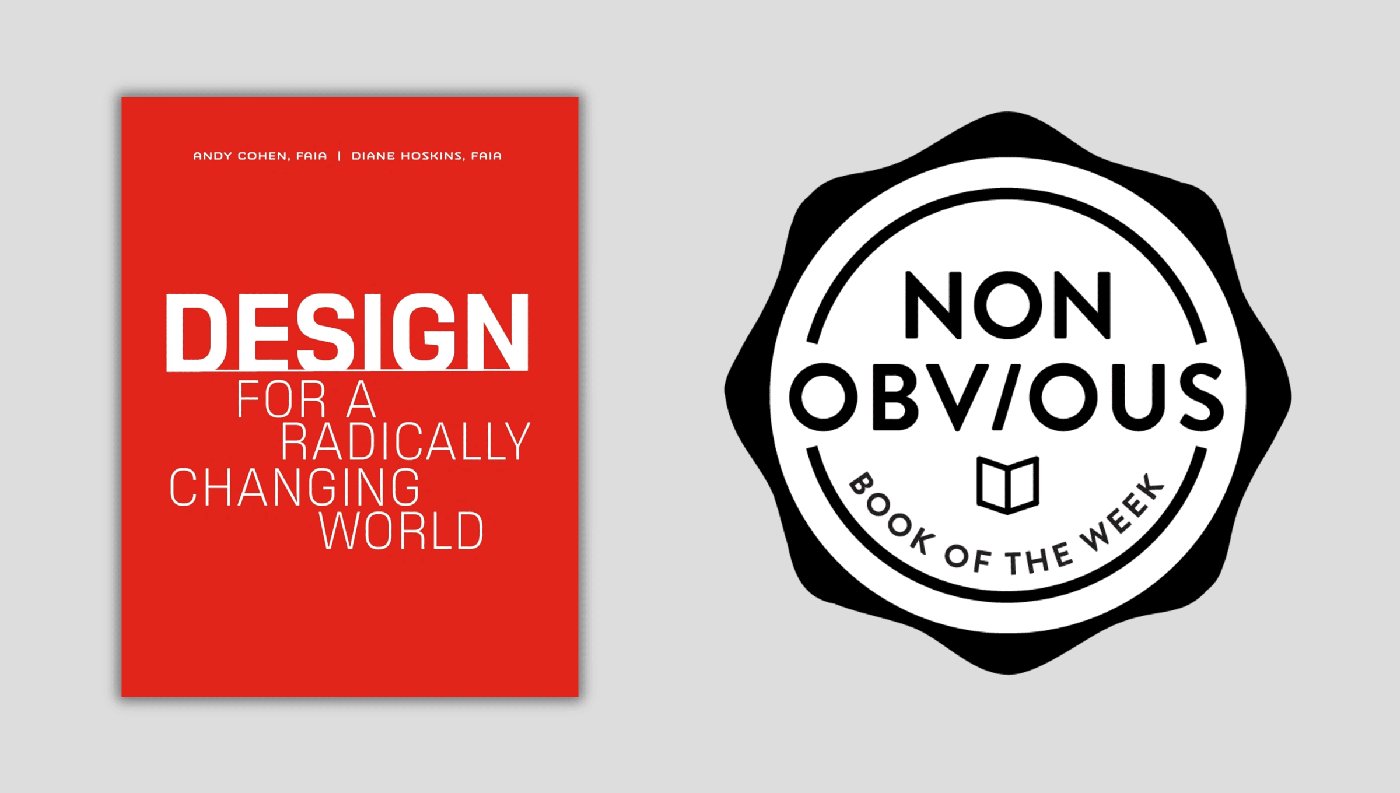 Design for a Radically Changing World
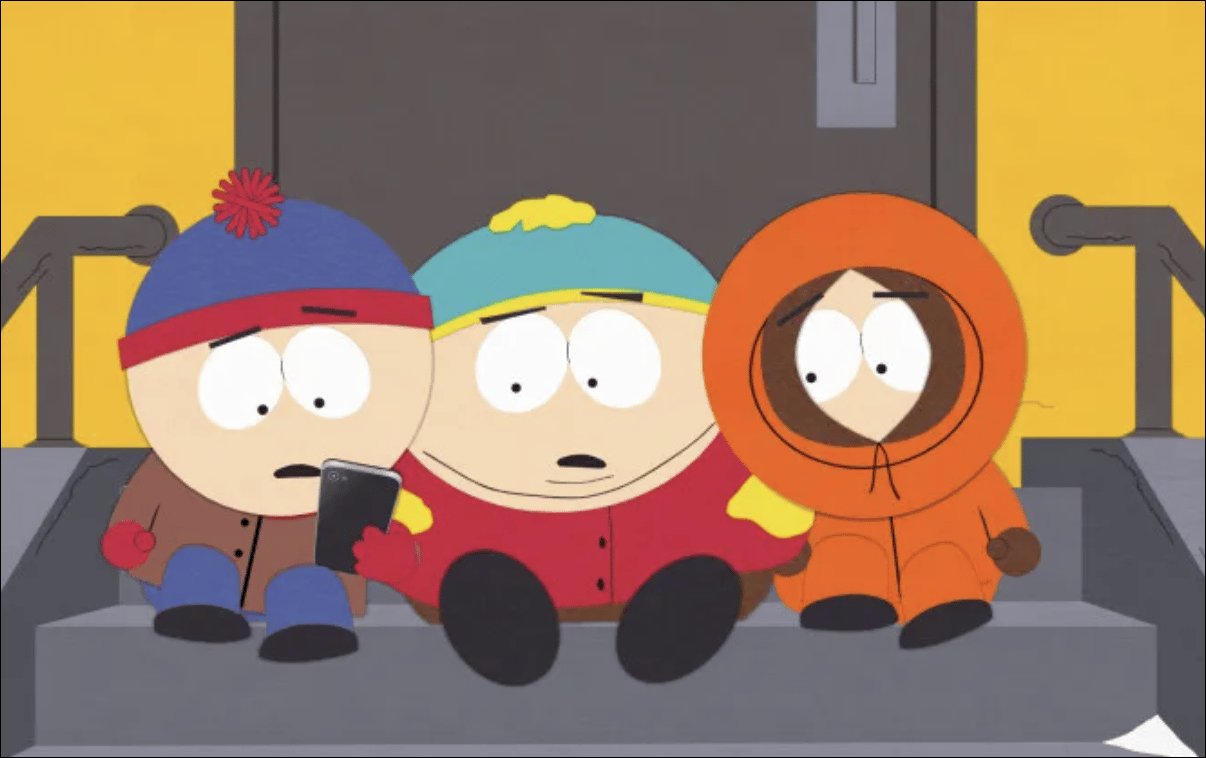
The Clever Secret Message Behind South Park's Delayed Episode
There was a new episode scheduled for South Park on Comedy Central last night. It never aired. When the announcement was made, it came alongside this apology from the show creators:
"Apparently when you do everything at the last minute sometimes you don't get it done. This one's on us. We didn't get it done in time."
I don't recall ever hearing something like this from any other television show ever. The mixup comes on the heels of the show getting a wave of publicity for their season opener that mocked President Trump's ego, manhood and lawsuits. Whether you believe that they just didn't get it done in time or not, there is a quiet brilliance to proactively sharing this admission. It tells you something important about the show: it is obsessively updated in order to be relevant ... sometimes even up to the very last minute. You don't have to like the show or be a fan in order to appreciate this dedication to recency. And if you're not a regular watcher, hearing this story might make you curious enough to at least catch an episode yourself to see what new thing they will satirize next. They may have missed an episode for what seems like unprofessional tardiness, but the upside may be even bigger if it drives viewer loyalty while simultaneously attracting a new audience.
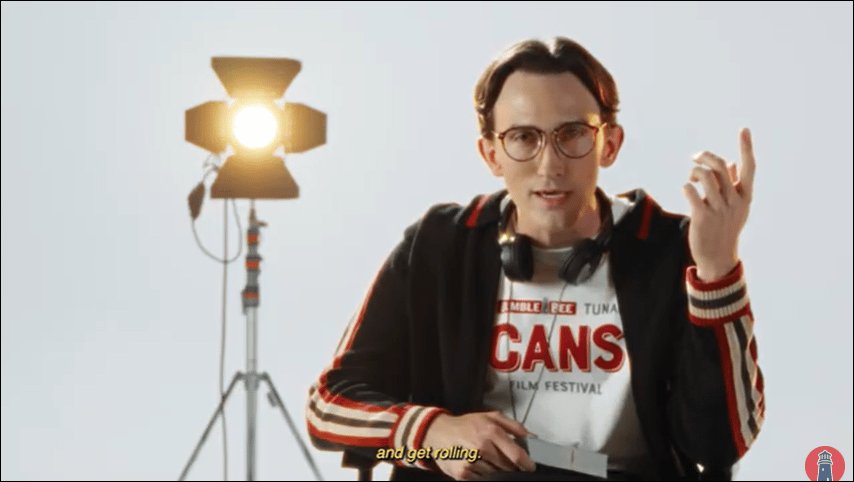
The Tuna Cans Film Festival: A Perfect Throwback Marketing Strategy?
Would you make a movie about a can of tuna? Inspired by the Cannes Film Festival, Bumble Bee launched the Tuna Cans Film Festival - a search for the best storyteller and short film depicting tuna in some way with a cash prize of $25,000. If this idea seems familiar, it may be because this strategy of brands hosting a consumer generated ad contest was hugely popular years ago. Doritos famously ran a decade long campaign to show the winning consumer generated ad from their "Crash the Super Bowl" contest in an expensive Super Bowl ad slot. Then the idea was retired back in 2016 ... before being resurrected this past year.
What Doritos and apparently now Bumble Bee Tuna are both doing is something many other brands should consider too. Given the intersection of the rise of visibility for top creators and a growing number of AI tools that allow content creators to work more quickly and (potentially) produce higher quality results without big budgets, it seems we should be in a new golden era for consumer generated advertising. Why shouldn't more brands put out invitations to their customers, offer up a cash prize and benefit from a flood of content produced by consumers to promote their brand for free? You might see this as manipulative, or a great potential marketing opportunity. Either way, I suspect film festivals about tuna cans are only the beginning of this trend.
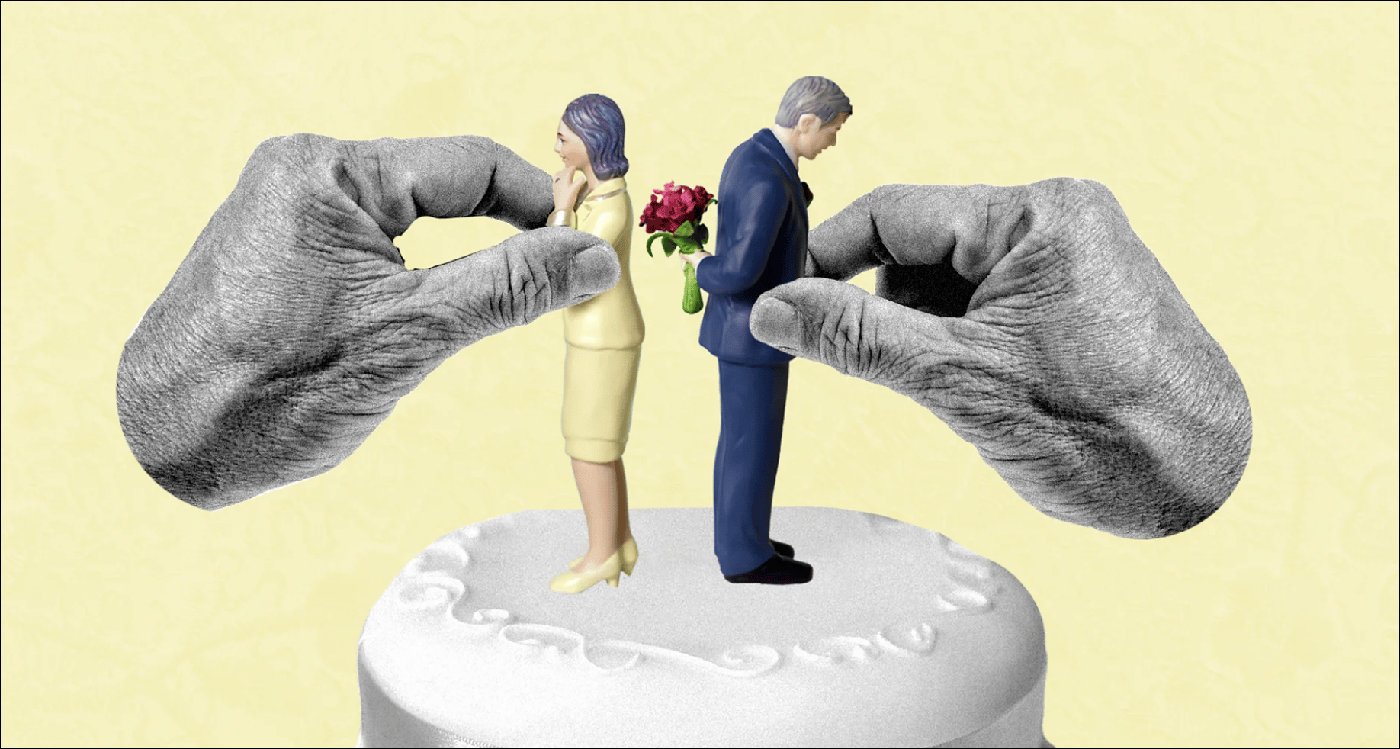
The New Science of the Trend Towards Grey Divorces
Couples that get divorced later in life when their children are already adults was once a rarely studied field—particularly the effects on those adult children and their relationships with one or both parents. In the past decade, as rates for these so-called "twilight divorces" or "grey divorces" have steadily grown, many scientists have been studying the effects on family dynamics and made some interesting discoveries.
"Today, roughly 36% of people getting divorced are 50 and older, compared to only 8.7% in 1990. This is known as a 'grey divorce.' A longitudinal study in Germany of adult children aged 18-49, published in 2024, found that grey divorce brought the grown children closer to their mothers, in terms of contact and emotional closeness, while weakening the bond with the fathers."
Some adult children feel as though they are losing their support network. Others feel compelled to choose one parent over another and often these grey divorces result in fathers being more isolated and estranged from their children. And when those divorced parents come to their adult children for dating advice, it can also create some awkward conversations. The increased visibility of this potentially traumatic event in life may lead to more than just awareness and potentially sympathy. It could open new business opportunities too. Everything from greeting cards to books and coaching programs. Teaching adults to cope with their parents late-life divorce may soon become big business.
The Non-Obvious Media Recommendation of the Week
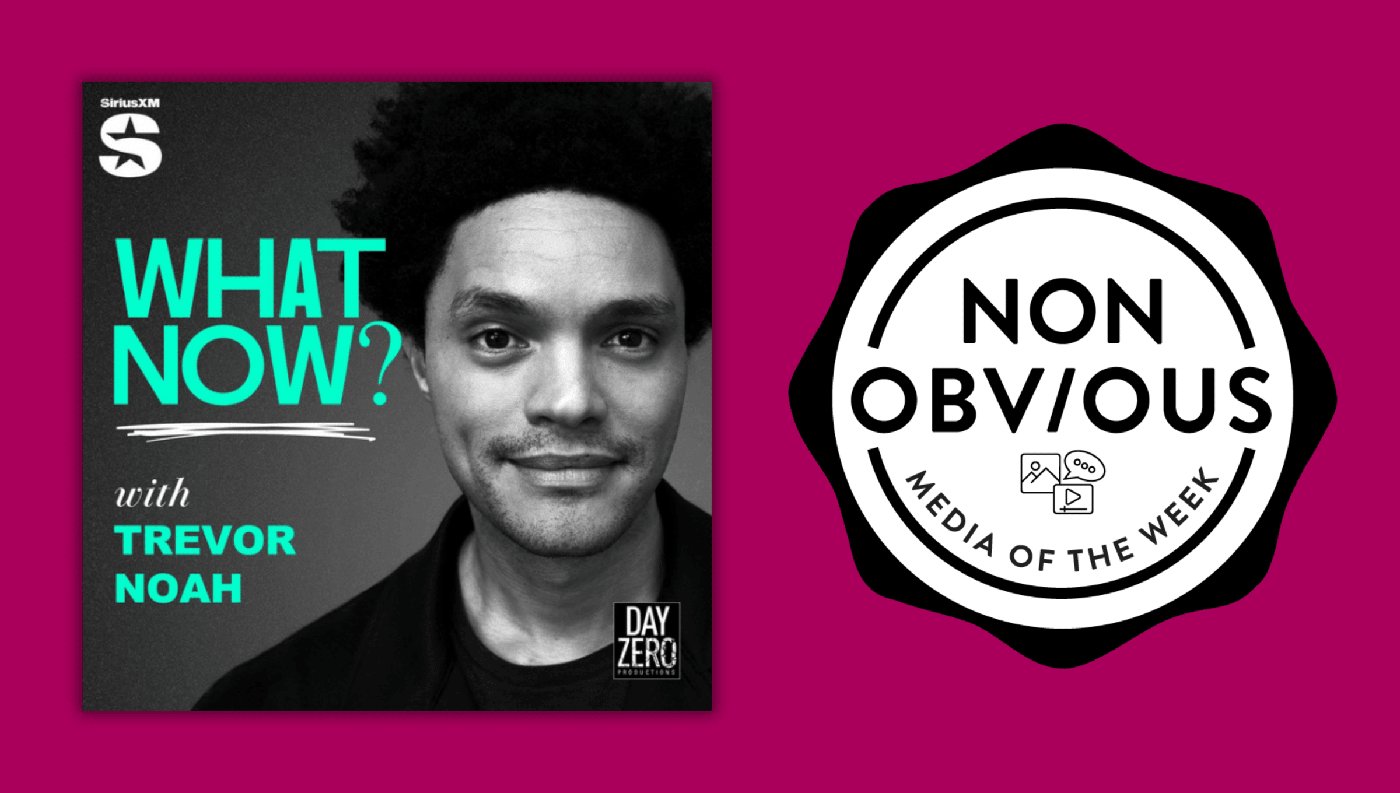
Podcast: What Now? with Trevor Noah
Trevor Noah's back with a new season of his What Now? podcast and there's just something about comedians hosting podcasts that I like. Added to that, Noah is a natural interviewer and the topics he covers are always timely. This new season will feature writers, technologists and celebrities. Some of my favorite episodes are when he brings his guests together and poses the question of what they would do or what changes they would make if they ruled the world for a day. The podcast is part comedy, part news, part commentary and always illuminating. Plus, he does accents.
The Non-Obvious Book of the Week
Design for a Radically Changing World
The offices (or coffee shops) we work in, bridges we drive across, and temples we pray in were all imagined, designed, and built by architects. Could knowing more about how these places are built lead us to a greater understanding of the way we work and live? This book aims to answer this question. I profiled this book back when I was writing about books for Inc magazine. At that time, I wrote this review:
"The core belief the authors introduce is that most problems in the world can be solved through more thoughtful design. Loneliness and a dwindling sense of community can be reversed through more mixed-use projects and shared living spaces. Rising sea levels can be addressed with more permeable building solutions and the use of less-carbon-intensive construction materials. The steady decline of physical retail could be transformed through a focus on more experiential design. In short: This is a wonderfully packaged jolt of architectural inspiration to help anyone imagine a more beautifully designed future."