What’s In This Issue?
This Week’s Main Stories
 Story 01Imagining the Shared AI Future For Technology and ArtStory 02Is Gen Z the First Generation To Have No Signature Sound?Story 033 Reasons Commencement Speakers Should Be Comedians
Even More Stories
- A presidential library that's not a library. Obama Center pilots a community model
- Etsy goes after Prime Day with 'Shop Other Jeffs' campaign
- Levi's covers its logo for FIFA ban, deserves a World Cup in branding
- 'Karma's a Bitch': Boy George on Why Culture Club Re-Created Their Biggest Hit With AI
- Clavicular's "Botched" Nose Job Illustrates the Dangers of Looksmaxxing
- Two-thirds of Americans think AI is advancing too quickly
- Person who least deserves a second chance is about to get one
- EAT250 Is The Best Way To Celebrate America250: With Global Cuisine of DC ...
Media Recommendation
 The Gentlewoman Magazine
Book Of The Week
 How To Win At Travel
Imagining the Shared AI Future For Technology and Art
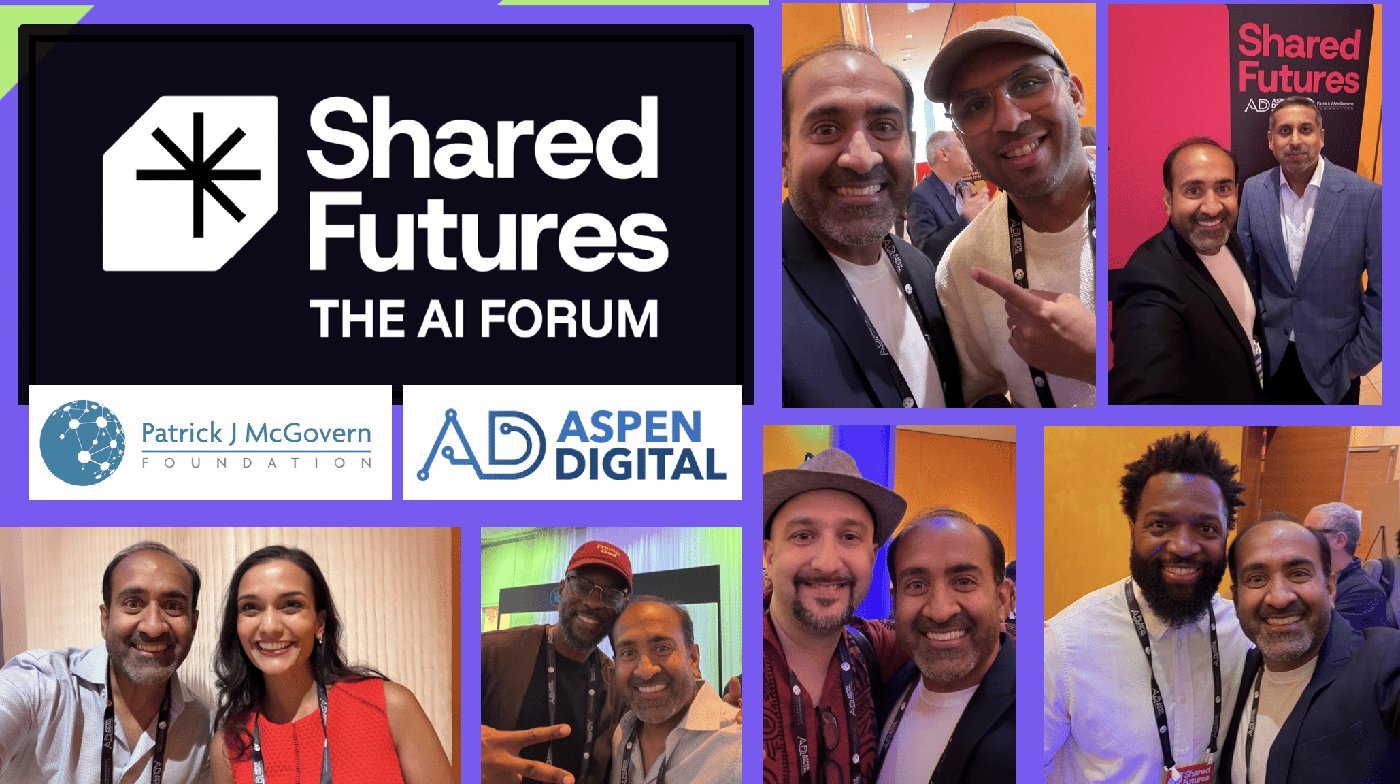
Yesterday I spent the day among a community of thinkers and creators imagining the reality of a topic that many people are talking about - the intersection of humanity and technology. Artists, musicians, poets and filmmakers all gathered in New York at the Shared AI Futures Forum hosted by Aspen Digital and the Patrick J. McGovern Foundation. The event brought together some visionary creators including King Willonius, Baratunde Thurston, Kelly Boesch, Manon Dave, Sasha Stiles, Dr. Catie Cuan and Reggie Watts. Throughout the day, we co-created a song, learned about the emerging science of choreorobotics, experienced a poetry reading that quickly morphed into a poetry writing where art was created in real time. During the breaks the conversations ranged from AI ethics policy to the rise of a Creators Coalition with bold plans to help AI broaden human creativity instead of undermining it. The biggest theme that emerged from the event for me was the joy and hope that comes from sharing a room with people who are actively DOING deeply human things with technology. Many events feature professional speakers or researchers who are skilled at describing what's happening from the outside. In the room at Times Center in NY yesterday, the invited participants were the ones actually creating those futures and applying those tools. The energy and optimism from those experiments infused every conversation and their passions became infectious. Unlike many future-focused events, it was impossible to walk out of this one feeling anything but positive about the potential for how smart capable artists will be able to intersect creativity with humanity to create new art forms without destroying those of the past. These are the voices we need to share, celebrate and elevate because they are the counterbalance to the megalomania and psychopathy of the world's biggest tech founders. The day was also a perfect reminder that to truly understand the impact of all this technology, there is no substitute for being in a room with people who can help you experience the wonders of what is possible with your own eyes.
Is Gen Z the First Generation To Have No Signature Sound?
The 80s had house and techno and Michael Jackson. The 90s had rave, grunge and pop. The 2000s brought minimal and dubstep and the 2010s had hyper pop and EDM. The biggest movement of the 2020s seems to be resurgence of songs (and sounds) from past decades. Retro nostalgia is hot and new artists come up emulating the sounds of generations before they were even born. Add to this the coming impact of AI collaboration on the future of music and the next wave of music innovation gets even more complex. One factor may be the growing fragmentation of the industry that makes it harder for any single sound or artist to break through to stand out. Add the fact that aging stars continue to perform and tour for decades after their "prime" - and reliably still fill stadiums. So for any lover of new music, what can we do to fix this? As my friend and fellow futurist Nikolas Badminton shares, it starts with music findability. Given how much data our preferred streaming music generates about our listening habits, we all have the ability to use that data to explore and discover new music. We just need to choose to ask for that instead of listening to the same music over and over. For a deeper dive into this topic and even more suggestions for how we might contribute to discovering that signature sound for this decade, you can read the longer report from Resident Advisor magazine writer Gabriel Szatan who explores the issue further.
3 Reasons Commencement Speakers Should Be Comedians
Over the past few weeks, I've attended two graduations in person and watched more than a dozen clips from others that have been circulating online. The ones that go viral seem to share one quality: they are usually delivered by comedians. Here's the thing about this modern commencement moment that we all need to realize: students are worried. They have angst about their future prospects and the world they are graduating into. They also want to celebrate this day of achievement and aren't really in a moment when they can process deep complex advice. Most comedians don't really deliver that anyway. Instead, they avoid the poison pills that have tanked many other graduation speaker's performances this season. Comedians generally don't rave about the upside of AI. They rarely resort to platitudes about following your passion. Most of all, they don't take themselves too seriously. Right now (and maybe for the foreseeable future) that's a winning combination. So here's my brief pitch for why leaning into the funny is ideal for commencement speeches. 1. Laughter breaks the tension of an otherwise serious and solemn event, which gives everyone permission to lean into the celebration. 2. Comedians know how to keep it short - so at an event where success and brevity often go hand in hand, they are an ideal choice. 3. Funny commencement speeches are easier to share, remember and go viral - which has great impact AND is good for marketing too. So consider this an open letter/plea to graduation ceremony planners. Next year, let's see more comedians and less of everyone else. Everyone will be happier, the students might actually remember something and at the very least it won't be boring. What do you think - would this work?
The Non-Obvious Media Recommendation of the Week: The Gentlewoman Magazine
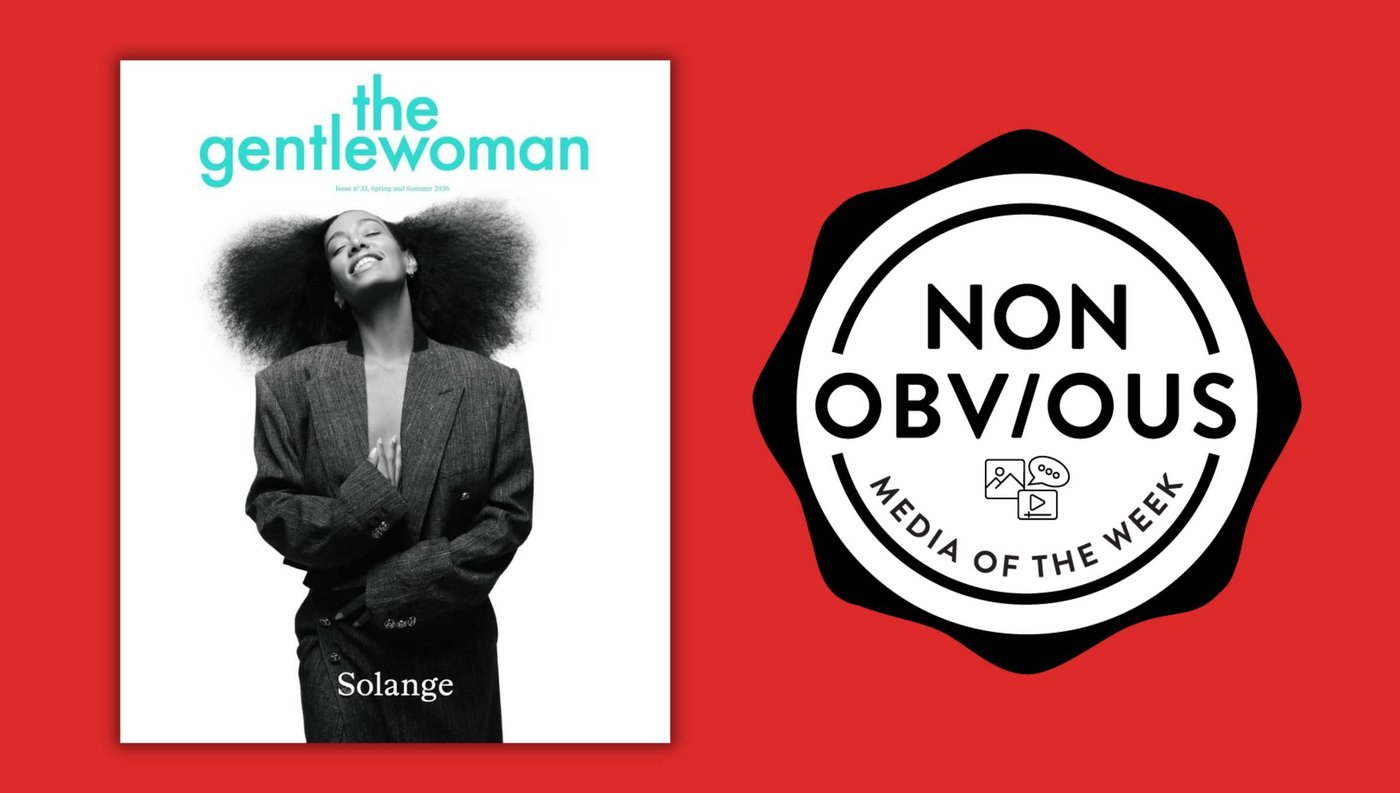
This week's pick for the Non-Obvious Media of the Week is definitely an unusual read for me given my gender and interests: The Gentlewoman magazine. Created for "modern women of style and purpose" the magazine "showcases inspirational women through its distinctive combination of glamour, personality and warmth. Recent articles include a profile of music icon Chaka Khan's induction into the Rock & Roll Hall of Fame, a recap of a denim-making masterclass hosted by Levi's and the backstory behind singer Rhian's signature tooth gems. The stories from the magazine are relatively infrequent, but they do also have a newsletter that offers more frequency along with a shop that has plenty of apparel and a giftable "mini magazine" featuring covers from their past ten years of publication.
The Non-Obvious Book of the Week: How To Win At Travel
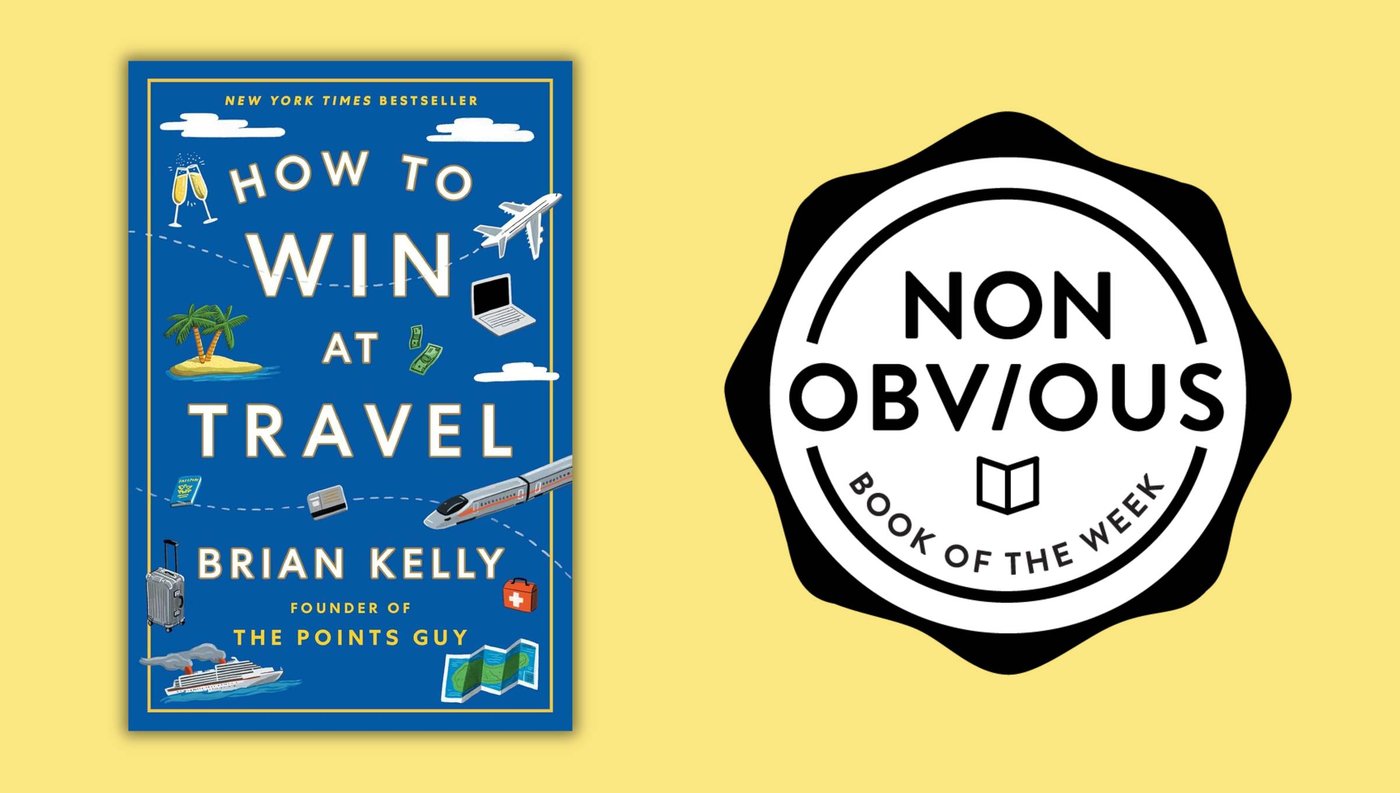
If you're an avid traveler and mileage maximizer, you probably already know Brian Kelly. He's a legend in the frequent flier community, thanks mainly to his very popular and long-running Points Guy website and online community. His book which I first encountered as an entry in the Non-Obvious Book Awards last year is a compilation of some of his best travel advice. Alongside the latest info about travel deals and modern tips, the book offers more timeless lessons that are sure to help optimize and up your game when it comes to the travel that you do. His experience is earned, useful and perhaps most importantly: non-obvious. If you consider yourself a savvy traveler, you owe it to yourself to pick this book up and use his advice for your next trip.