What’s In This Issue?
 Story 01Custom Fragrances Recreate What a Book Character Smells Like (and More)
 Story 02Are Colleges and Universities Failing Liberal-Leaning Students By Not Challenging Their Perspectives?
 Story 03After 40 Glorious Years of Simplicity Notepad Gets “Improved” By Adding Autocorrect and Spellcheck
 Story 04How Global Sports Are Showcasing a Surprising Upside of Immigration
 Story 05The Awoken & Sleepless
Custom Fragrances Recreate What a Book Character Smells Like (and More)
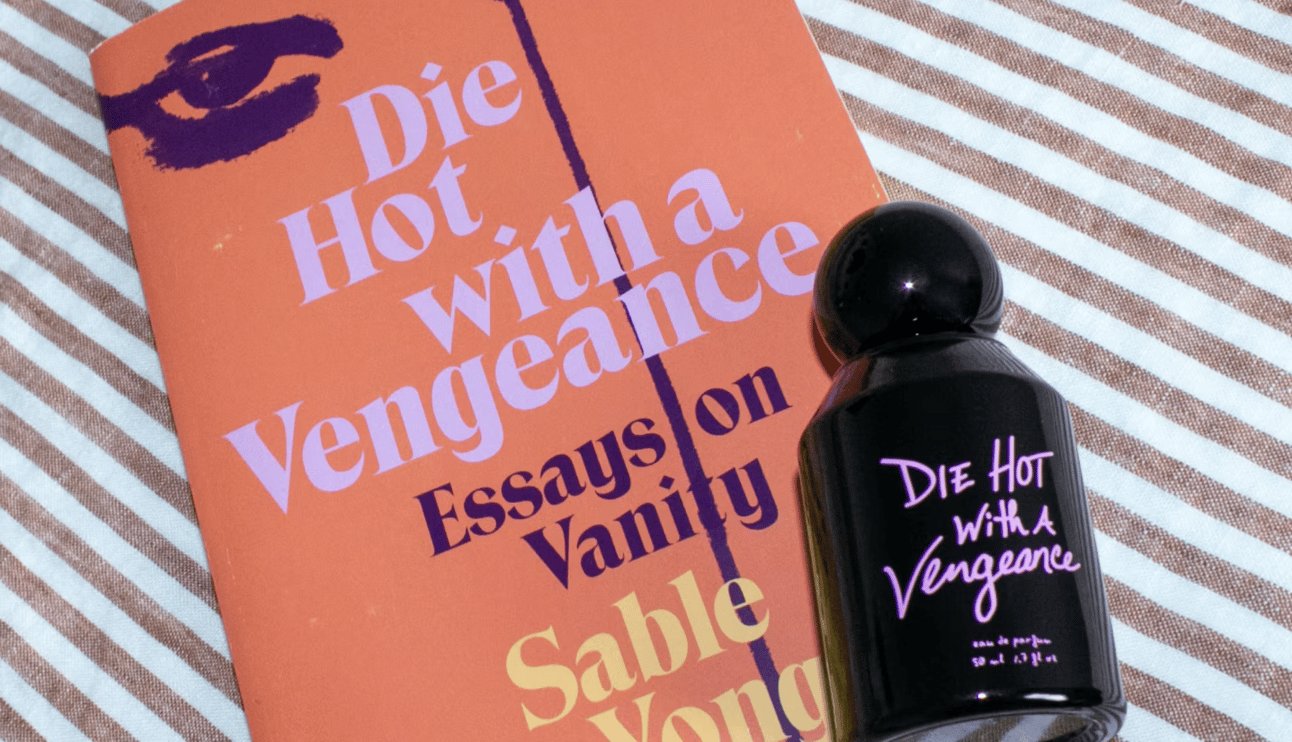
Red wine spilled in a Birkin bag, smeared lipstick on suede, Maraschino cherry juice and stale cigarette ash. These are just a few ingredients in a new fragrance called Die Hot With A Vengeance, which also happens to be the name of a new book of essays by Sable Yong, a former beauty editor at Allure magazine. To accompany the book, she commissioned a scent from boutique parfumier Hoax Parfum, starting with the creative brief that she wanted the perfume to “smell like a rich, evil woman's Birkin bag.” This may be more than a clever marketing tie-in for a book too.
In another story this week, the Washington Post reported on the booming fragrance industry, pointing to record growth and also the cultural shift where younger people are “casting off the idea of a signature scent for an aromatic palette of self-expression.” It seems perfume in the $100 - $200 range feels like an approachable luxury and consumers, particularly men, are more open to buying “a scent for every occasion” which has led to a 19 percent spike in sales among shoppers 25-44. As this idea of signature scents continues to gain traction, it will be interesting to watch if we see more custom perfumes attached to movies, cars, homes and other places and products in our lives.
Are Colleges and Universities Failing Liberal-Leaning Students By Not Challenging Their Perspectives?
In a forthcoming book by Princeton Political Science Professor Lauren A. Wright, the author writes about her research process that involved interviews with self-described liberal and conservative students about the variety of topics and perspectives they are learning. She found a disproportionate number of conservative-leaning students are exposed to new perspectives or ideas that they don’t necessarily agree with. They are frequently forced to question their beliefs and understand both sides of an issue, which in turn leaves them more resilient and able to articulate their own beliefs.
“Conservative students experience what higher education has long claimed to offer: exposure to different perspectives, regular practice building and defending coherent arguments, intellectual challenges that spur creativity and growth. Liberal academia has largely robbed liberal students of these rewards.”
Wright’s conclusion above is an insightful analysis of the state of higher education today and one that should concern anyone who hopes and believes that college should offer a place to broaden perspectives instead of limiting them.
After 40 Glorious Years of Simplicity Notepad Gets “Improved” By Adding Autocorrect and Spellcheck
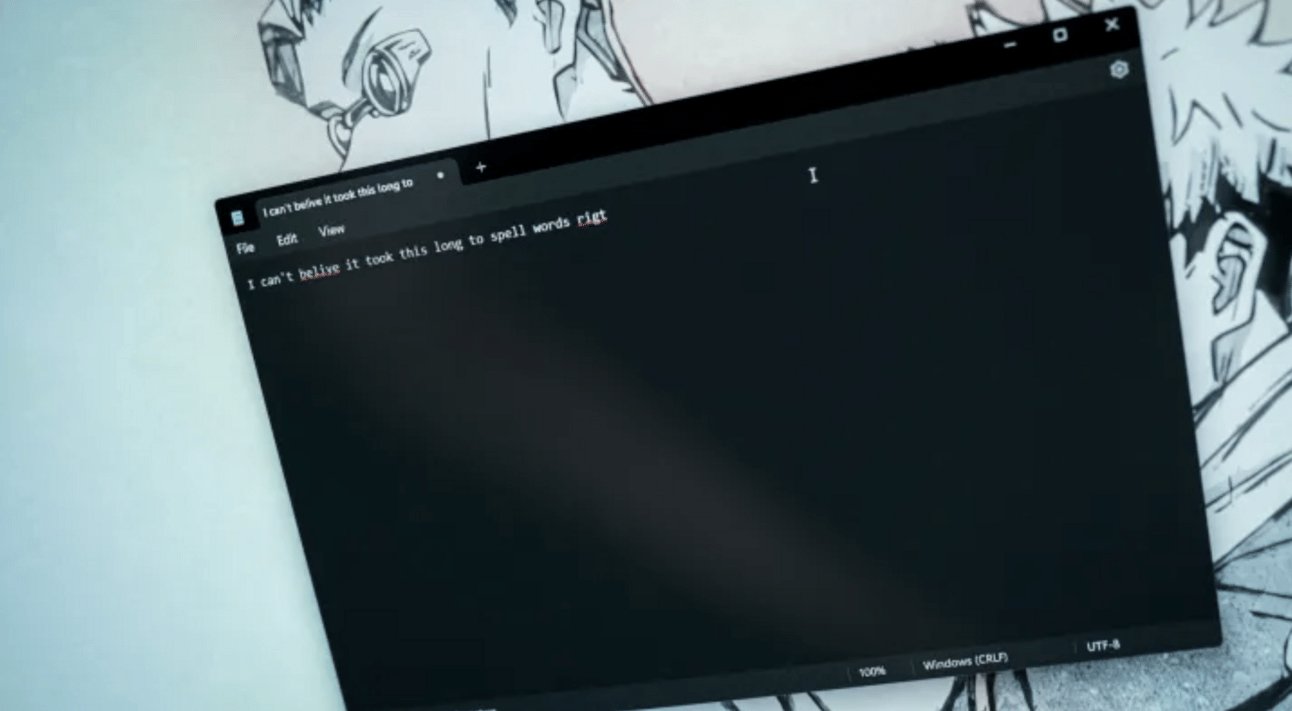
I admit I’m a Notepad junkie. I use it nearly every day to capture ideas for stories, writing to use elsewhere and just general notetaking. It’s probably one of my favorite programs on my computer. It’s also dead simple. Or it was, until the latest update announced this week which notes the app is “finally” getting autocorrect and spellcheck. I’m not sure how other Notepaders feel about this but I definitely wasn’t waiting or hoping for it. Perhaps I spent way too many years working at a PR firm where a source of daily stress was making sure writing the word “public” hadn’t been autocorrected to “pubic.” Or it could be I’ve finally reached my frustration point with having text messages addressed to “Robot” instead of my name.
I liked the idea that I had one place to go and write where the technology wouldn’t always follow me with optimization suggestions. There are no annoying popups, no complex menus and no real options for fonts or anything else. You can just open an empty canvas and write. It’s a distraction-free zone that powers a lot of my writing and allows me to make up words along the way that don’t get shamed with red squiggly lines beneath them.
How Global Sports Are Showcasing a Surprising Upside of Immigration
This summer is a back to back sports frenzy in my household. It started with the T20 Cricket World Cup, followed closely by two major soccer tournaments: the UEFA European Championship and Copa America, which will both conclude this coming weekend. Then later this month, the Paris 2024 Olympics will start (which we will be attending in person). One unexpected story that has continually taken center stage in these competitions is the role of immigration in the shape of many of the teams and the audiences watching the competitions.
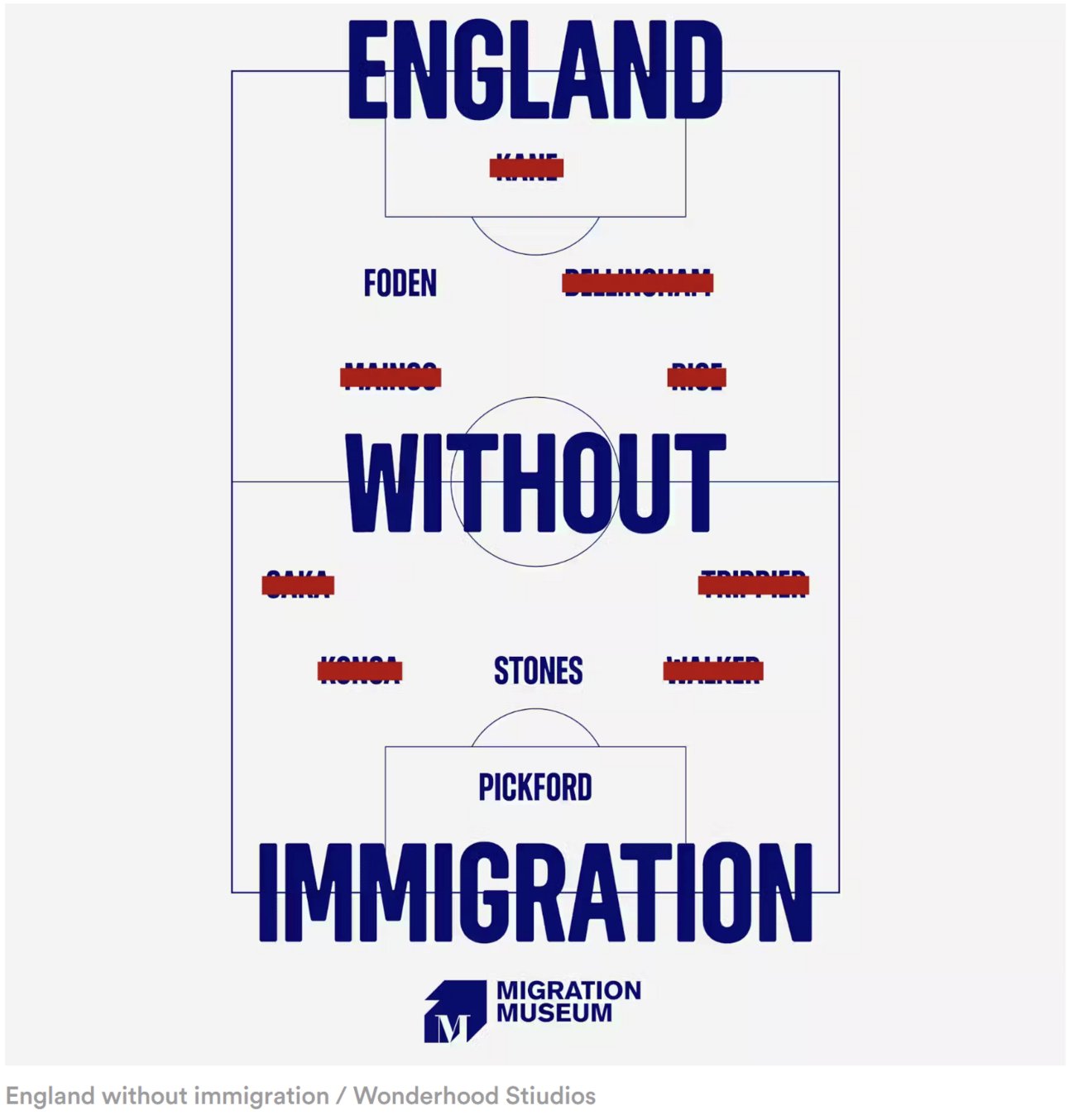
At the T20 Cricket World Cup, the U.S. National men’s team that managed a victory against the powerhouse Pakistan national team was composed of a “melting pot of players” born in India, Pakistan, New Zealand and South Africa. For the Copa America, hosted by the US for the second time, much of the audience both live and on television is shaped by immigrant communities and the Canadian team which made a surprising run to the Semifinals is led by a star player who is also a refugee and human rights advocate himself. In the 2024 Euro Cup, the English team that just made the finals is so overwhelmingly comprised of players from immigrant communities that the UK-based Migration Museum launched a campaign to illustrate what the England soccer team would look like without immigration … only three players would remain.
In many ways sports is offering the perfect counter argument to the media that demonizes immigrant communities or suggests that those who come to a new country as immigrants don’t actively contribute to their chosen home. On the world’s biggest sports stages, immigrants are teammates and much of a country’s success on the pitch or field wouldn’t be possible without them.
The Awoken & Sleepless
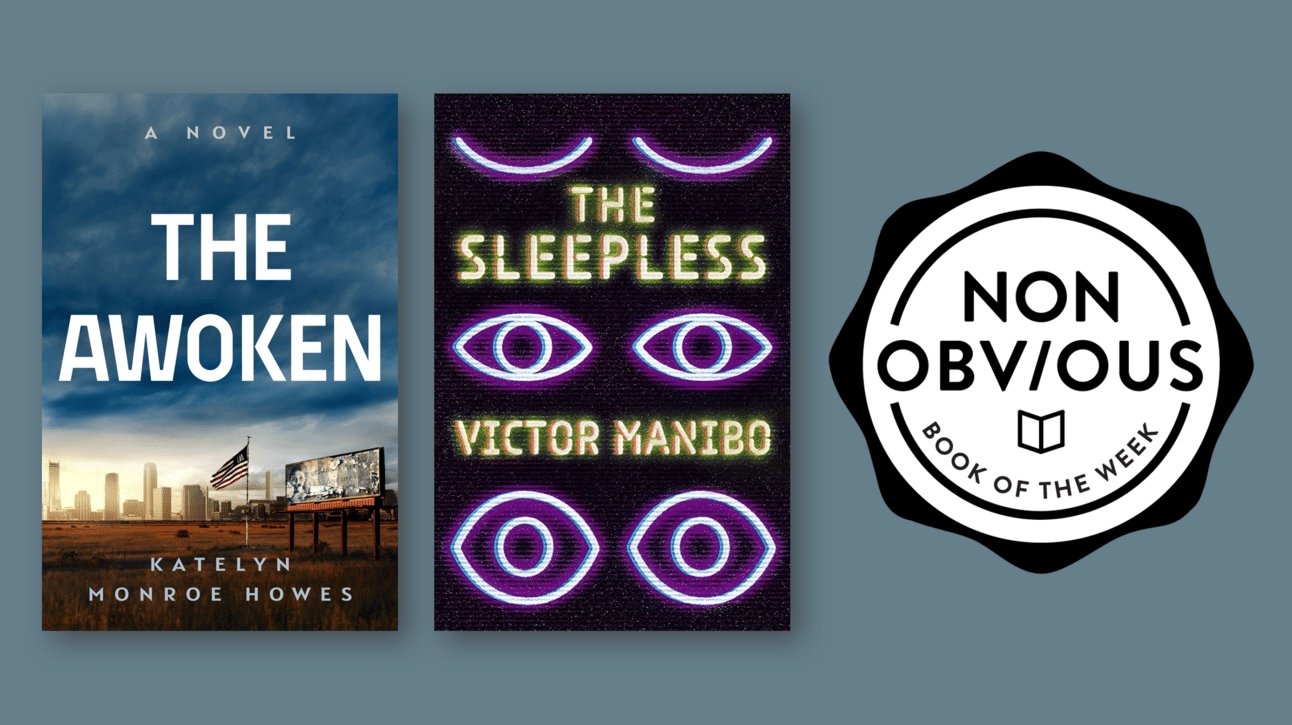
It’s the summer and when it comes to reading, for many people that means reading fiction … so this week I’m shifting my book recommendations to a different genre. My two picks this week came out within a month of each other back in 2022 and may seem similar based on their titles but are actually quite different but equally compelling imaginings of a dystopian future. In The Awoken, author Katelyn Monroe Howes transports the reader to a potential future where cryogenic freezing is a reality and people are awoken after a century and cured of whatever condition would have killed them in the past. The resulting world is plunged into a chaos between those who believe “the awoken” are unnaturally living and those who embrace them as a hallmark of human progress.
In Sleepless, author Victor Manibo creates a world with a new class of people who no longer need to sleep. It turns out this superhuman ability becomes both a gift and a curse. The “sleepless” are more desirable workers because of their enhanced attention. They often take second jobs or learn more hobbies with all their extra time. They are envied and feared. A key theme across both books is the use of future fantasy scenarios to explore modern themes of bias, belonging, fear and hope. If you’re looking for two action packed stories that will probably be optioned for movie rights if they haven’t already, I highly recommend these two as additions to your summer reading list.