What’s In This Issue?
This Week’s Main Stories
 Story 01Why Young People Have Nostalgia For a Time Before They Were Born
 Story 02The Truth About Toxic Words and Why Word Policing Doesn't Work
 Story 03Math Skills Are Plummeting. Can Testing Reverse the Trend?
Even More Stories
- ARTIS becomes the world's first dark sky zoo, restoring darkness in a light-flooded city
- TikTok is letting users control how much AI content they see
- adding badges + digital rewards for reducing your screen time
- People Are Using Fake AI Pics to Scam DoorDash and Uber Eats Into Giving Them Refunds
- In the Future, All Remote Controls Might Be Solar Powered
- Soccer league unveils blueprint for stadiums built around women, not men
- Man Cryogenically Freezes Wife, Gets New Girlfriend in the Meantime
- Amazon's Prime Video Using AI to Produce Video Recaps for Original Series
- Would You Eat An Old Traditional Recipe of Yogurt Made From Ants?
- How Marshmallows Historically Evolved From Ancient Medicine to Gooey Treat Once Reserved for Gods
- The True Meaning of Friendsgiving
Why Young People Have Nostalgia For a Time Before They Were Born
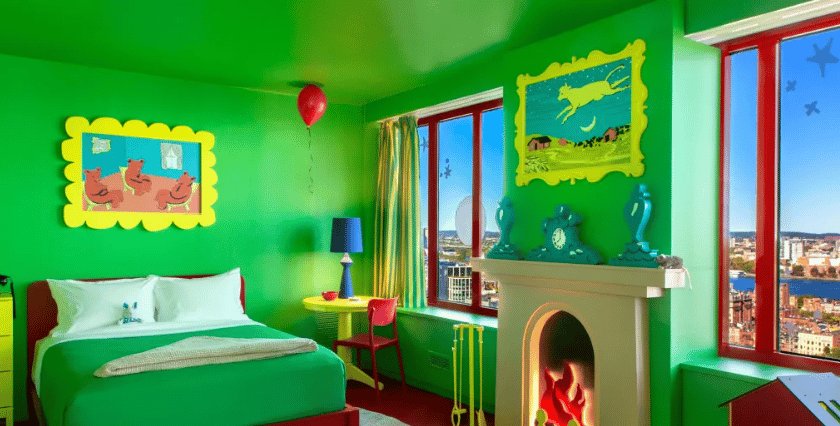
Here's an oxymoron for you: people are using AI generated images to evoke the nostalgia of the 90s—the last human decade without ubiquitous technology. This idea fits into the growing sense that 1997 may have been the year that culture peaked. The growing appreciation for everything retro is driving an aftermarket boom in the value of nostalgic products from the nineties. It's also leading people to seek out more retro experiences where they can live and interact in a way reminiscent of a "simpler" time without AI or cell phones. Examples of these types of experiences come up in my newsfeed every week - like this one where the Boston Sheraton hotel created a Goodnight Moon-Themed Suite (available through Feb 2026). The irony, of course, is that my own Gen Z kids can simultaneously make fun of me for being old while wearing a "Rage Against the Machine" sweatshirt without any idea of the epic backstory behind the band. But that's the thing about modern nostalgia in 2025 ... it's not inspired by a longing to relive an experience from their own past. Instead, it's about recreating an offline moment that they have only ever heard about in stories and are unlikely to experience in their lifetimes any other way.
The Truth About Toxic Words and Why Word Policing Doesn't Work
In closed meetings leading up to the G20 Summit happening in South Africa next week, early reports note that in addition to the Trump administration choosing to boycott the event, U.S. officials are stalling talks and obstructing agreements because they "objected to the use of terms like 'equity' and 'universal health care.'" Earlier this year, the NY Times also published a list of "words that are disappearing in the new Trump administration." This has included many banned words in relation to heath care and health policy, drawing criticism from industry trade groups like the American Cancer Society.
"Some ordered the removal of these words from public-facing websites or ordered the elimination of other materials (including school curricula) in which they might be included. In other cases, federal agency managers advised caution in the terms' usage without instituting an outright ban. Additionally, the presence of some terms was used to automatically flag for review some grant proposals and contracts that could conflict with Mr. Trump's executive orders."
Outside of the government, social media platforms are also banning certain words. Last week I read a book about how social media is changing the way that we talk and words that are frequently used, partially as a reaction to this word policing:
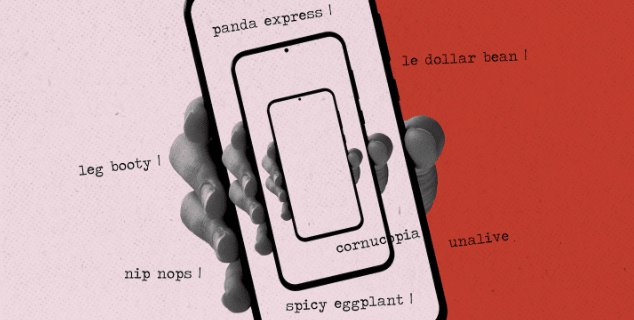
"The word kill is suppressed on TikTok, so many creators have turned to say unalive instead. And now we have kids in middle schools writing essays about Hamlet unaliving himself, and that's an example of social media algorithmic speak bleeding into the mainstream."
The interesting thing about all the rhetoric and effect of algorithms on the way we communicate is that banning a word doesn't prevent that thing from mattering or people from discussing it. It just incentivizes people to find workarounds.
Math Skills Are Plummeting. Can Testing Reverse the Trend?
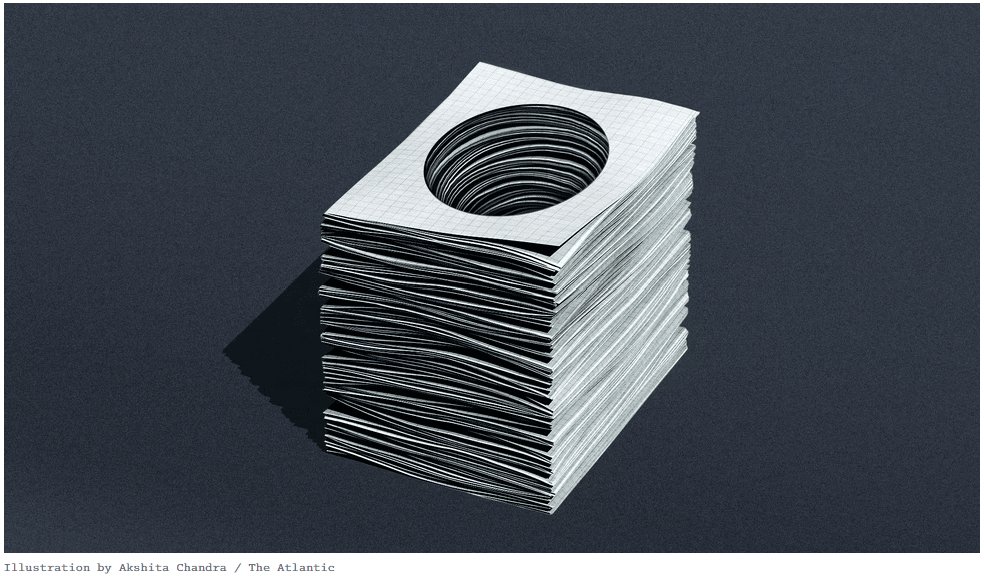
Across the US, there are students bound for college who are below a middle school level with basic math skills. For years, the criticism of advanced math was its lack of practical application. When would any normal person ever actually use calculus? The combination of increasingly lax school standards and a criticism of standardized tests may have created a void where basic math proficiency is rapidly disappeared. Add to this the growing ubiquity of AI tools offering the chance for students to easily automate their homework without learning basic principles and you can see what has driven this crisis. As Stanford math professor Brian Conrad noted, "the premise that foundational ideas don't need to be learned anymore is a recipe for idiocracy." Beyond math skills, this idea that we are losing the focus on having students learn the most basic skills such as reading comprehension or the ability to analyze ideas is becoming a very real problem. This can also be wildly inconsistent across an entire country. One unexpected solution for this may be to reprioritize standardized tests. For years, education experts and the media alike have been critical of programs that "teach to the test" and the very idea of quantifying achievement in such a unilateral way. The biases and inequity built into standardized tests is a very real issue. To date, these tests remain the best way to measure a baseline level of math proficiency. Does this mean we may see a resurgence in the importance of standardized tests and is that the solution? Hit reply and let me know what you think.
The Non-Obvious Media Recommendation of the Week
Deutsche Welle
Deutsche Welle (DW) is one of the leading international media outlets out of Germany and aims to share "unbiased information for free minds." By now, if you're a regular reader of this newsletter, you know that many of the media sources I turn to every week for news and to curate stories to share with you are based outside the US. Getting a global perspective is critical to breaking out of regional biases and avoiding the pitfalls of one-dimensional reporting. DW consistently offers a credible take on global stories, features stories that regularly get ignored by US media such as the plight of songbirds in Cyprus or insights from a Kenyan champion barista. The point is, adding more international news sources to your media diet is a good idea.
The Non-Obvious Book of the Week
The Trend Forecaster's Handbook
As the end of the year nears, I'm thinking about trends and big picture ideas from the year. Though I no longer produce my annual trend report that I was doing for a decade between 2010 and 2020, the methods of trend curation continue to be highly useful for me as I think about big ideas to share with you through this newsletter. If you have any sort of ambition to do some trend curation or foresight work for yourself, this week's featured book is probably the best handbook that I've seen to teach you the practical skills needed to anticipate the future. This second edition of Martin Raymond's widely used book includes exercises, case studies and profiles of some of the smartest futurists working around the world today. You don't need to produce your own trend report to put the techniques from this book into action. For that reason, The Trend Forecaster's Handbook is my pick for this week's Non-Obvious Book of the Week.