Why Do So Many Companies Want People Back In The Office Now?
The future of work is hybrid. If there was one prediction I heard most often about the workplace coming out of the pandemic, this was it. Why would anyone want to return to work once they were able to stay at home and do zoom calls in their pajamas? And presumably the savings on office real estate would bring companies on board with this too. Then we hit 2024 and huge tech companies and many others reversed course and demanded employees come back into the office sometimes five days a week. The move is frequently criticized now as a "backdoor layoff" - a way to get rid of employees who relocated or simply don't want to be back in the office anymore.
The truth may be a bit more nuanced. In this podcast, The Verge speaks with two experts to look at all the newest science and arguments both to and against the hybrid work trend. In theory, being at work for some reduced level where you can have the camaraderie with colleagues and the benefits of in-person human interactions while ALSO enjoying independent time at home when you can really concentrate and do work that requires some focus and solitude sounds great. The presumption, though, is that everyone is productive in the same way. Which is obviously a flawed argument.
So what will the future of work be and what should we be ready for? This podcast doesn't really offer an answer, but it does include some useful arguments from two experts that you might be able to use to advocate for whichever work future you prefer.
The Beautiful Thing About Paradoxes
If you're like me, you may soon find yourself with just a little more time to think due to business travel slowing and holidays not quite starting yet. This combination may offer you just a little more time to consider new ideas. When that happens for you, this collection of "20 Paradoxes That Will Boggle Your Mind" from Mental Floss may be a fun read. Many of the paradoxes are described through stories and moments from history or myths that add color to the idea of the paradox.
More interestingly, the various paradoxes can lead to some interesting thinking models that might shape how you approach the challenges you're facing right now at work or in life. Reading this collection for me was a bit like the experience of reading poetry ... you have to stop and reflect after every one instead of just reading all the way through in a single sitting. The time you take to do that is a beautiful way to expand your mindset and imagine some new priorities and opportunities for next year.
Michelin-Starred Chef Discusses the Art of Plating
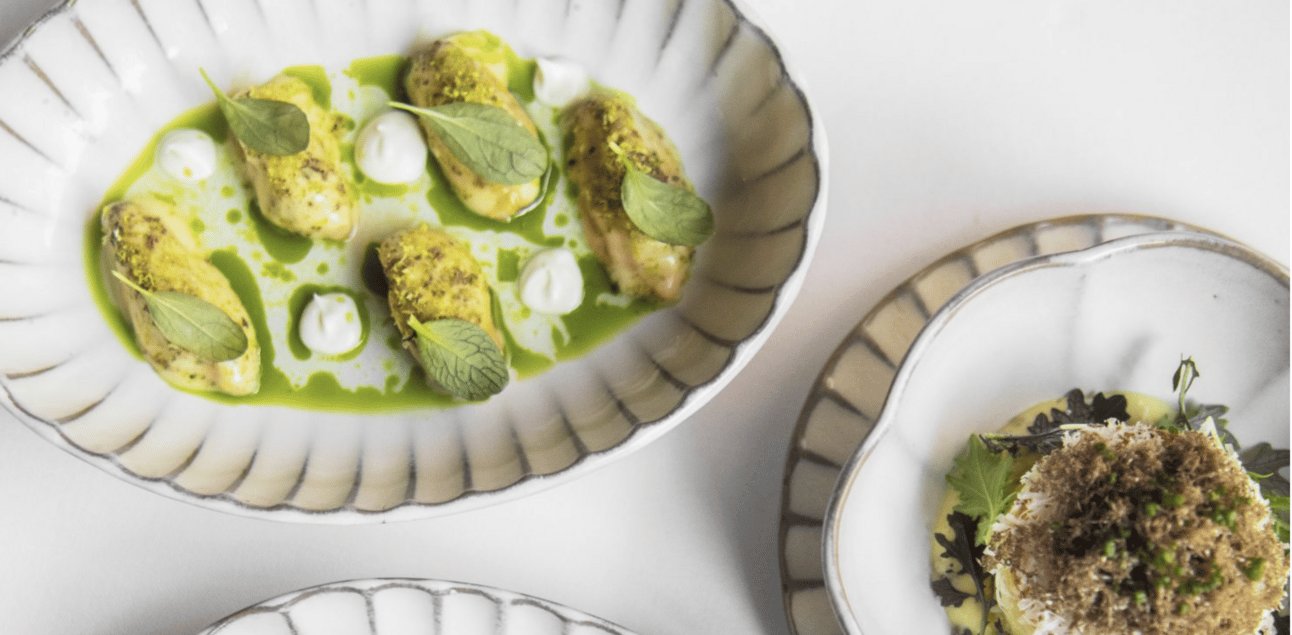
Anytime I have the opportunity to dine at a nicer restaurant, there is always someone immediately pulling out their phone to take a photo of the food when it arrives. Taking pictures of beautifully plated food is the ultimate pointless exercise many of us do anyway. Unless you're a food or culture influencer, you're probably not posting that photo. You will rarely show it to anyone else. And you'll probably never look at it again. It's a bit like taking photos of fireworks on the 4th of July. You do it because what you're looking at is just too beautiful not to capture it.
In an interesting piece this week from Cool Hunting this week, Michelin-starred chef Sergio Herman explains some of his philosophy behind the art of plating and what goes through his mind when thinking about the ideal way to plate a certain dish. His goes isn't just to inspire people from a culinary perspective, but to try and do the same thing when it comes to how the table is decorated. One of the main ways he does this is by embracing the Japanese concept of "wabi-sabi"--which loosely translates to finding beauty through imperfections:
"Imperfect perfection is about creating visual tension. It's the flaws and irregularities that give something its unique character. Perfection can sometimes feel sterile, while imperfection adds warmth and authenticity."
I see this philosophy beyond food too. Imperfection is something I've written about as a trend (I called it "Lovable Unperfection") and a concept I try to use in my stage talks whenever I can too. It's the idea that you show vulnerability and authenticity by leaving the ideal of perfection behind and instead being willing to share the small flaws as a part of your product or experience. It's why artisan pizzas keep their burnt edges, natural wood keeps its knots and grains, and farmers markets keep their irregular produce. Showing imperfection is a winning strategy.
The Problem of Expertise
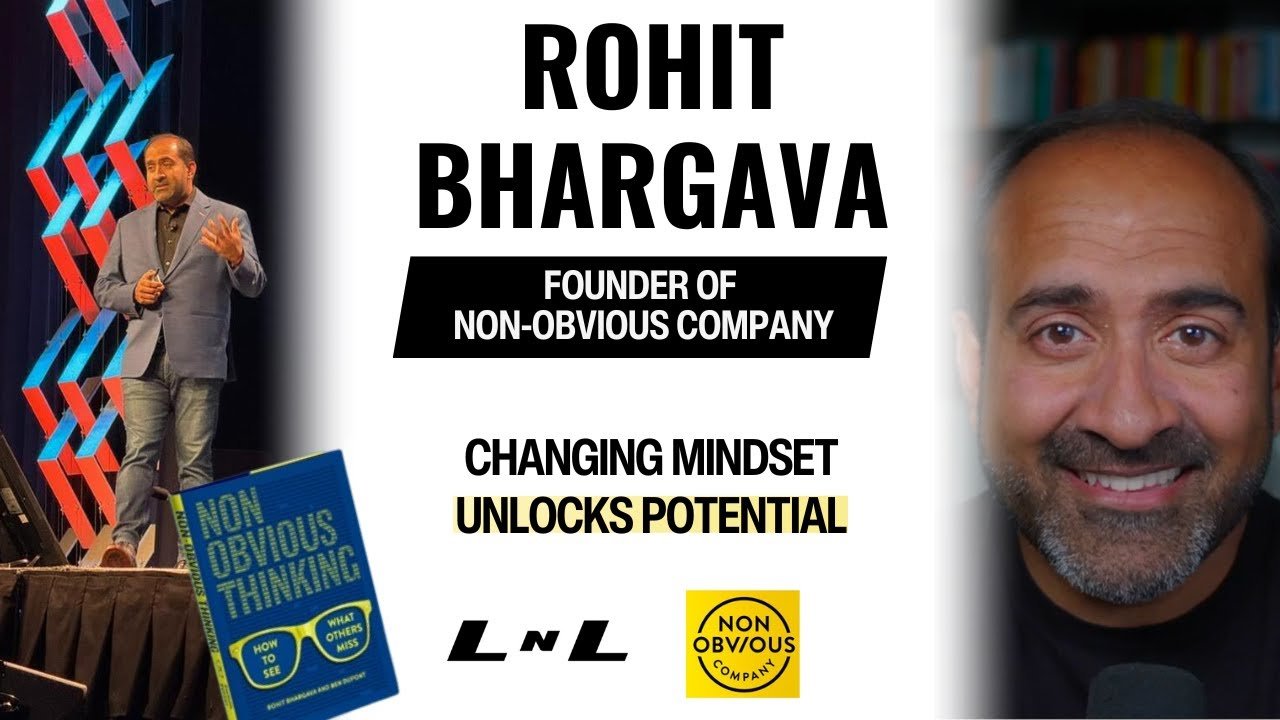
Rohit Bhargava, Founder of Non-Obvious Company, on how to think outside the box for disruption!
Is your expertise holding you back from being more open minded?
Recently I sat down with Ben Weiss for his excellent Leaders + Legends Podcast and shared the vision behind Non-Obvious Thinking and why I believe expertise sometimes creates a mental trap where we are unable to explore other perspectives because we become so good at thinking in one way.
Here's a short clip from our conversation above. What do you think? Is expertise part of the problem leading to closed minded thinking?