What’s In This Issue?
This Week’s Main Stories
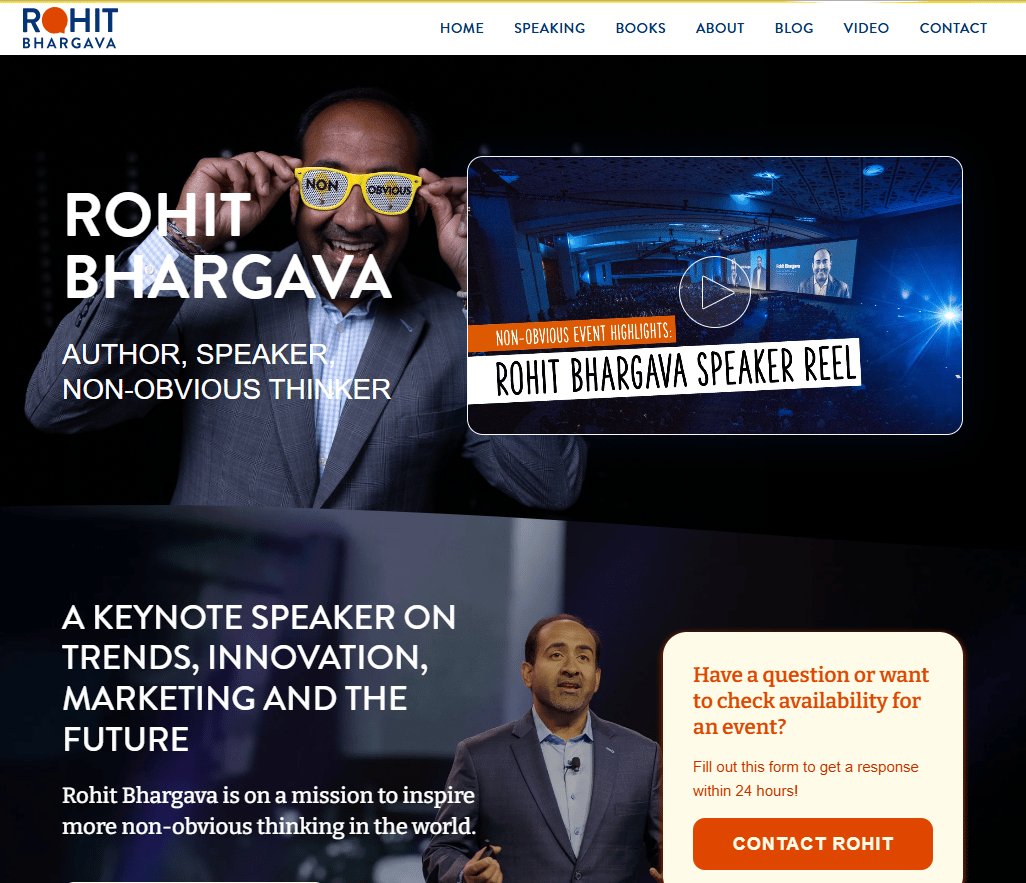 Story 017 Tips For Making Your Website Non-Obvious (and Interesting)
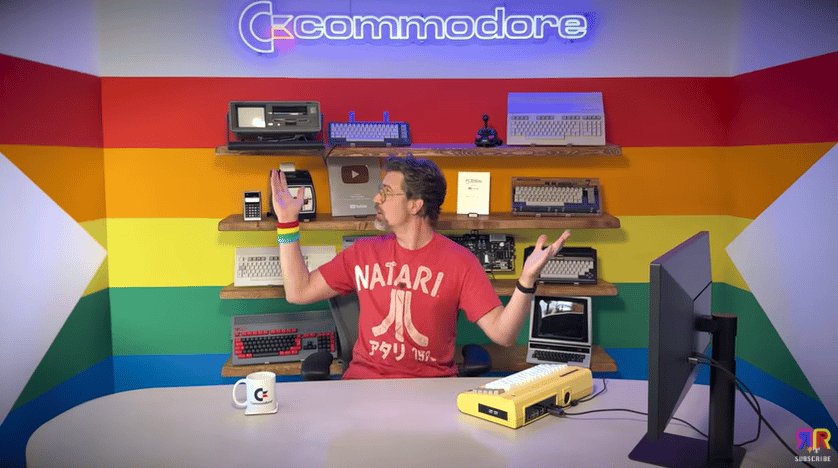 Story 02How One Longtime Brand Fan Is Bringing Back the Commodore 64Story 03The Coming GLP-1 Buying Shift That's Causing Brands To Panic
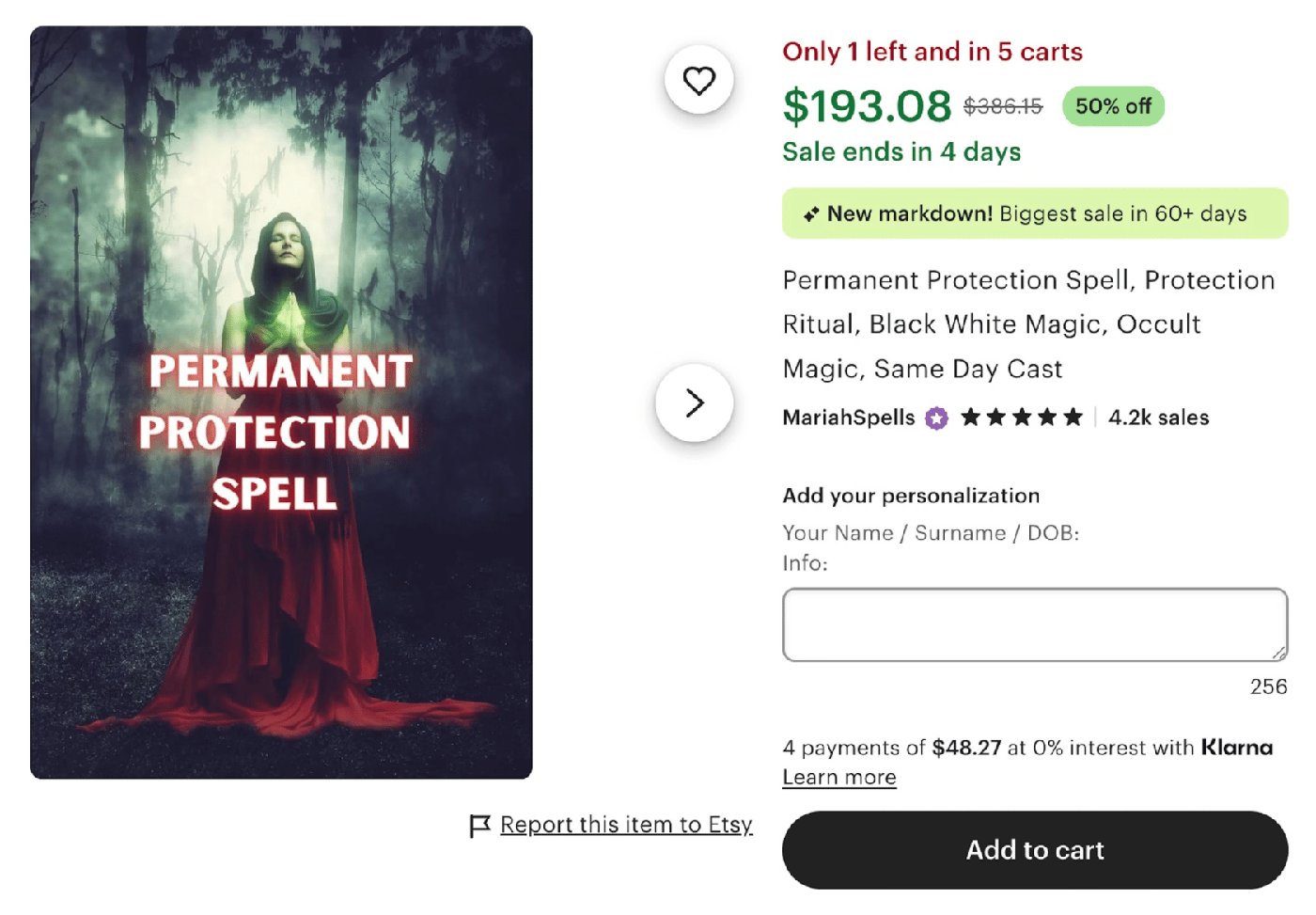 Story 04The Booming Business Of Being A Witch—Selling Spells On Etsy
Even More Stories
- Photos Show the Vast Scale of China's Solar Power Projects
- Startling Percentage of Neuroscientists Say We Could Extract Memories From Dead Brains
- Gaming in their golden years: why millions of seniors are playing video games
- Inside the Silicon Valley push to breed super-babies
- Cannes Has Become a Festival of Great Work and Great Denial
- IKEA assembles an outdoor library on the Seine, blending books, community and serendipity
- Zillow Unveils a New Tool That Makes Property Buying Seamless
Media Recommendation
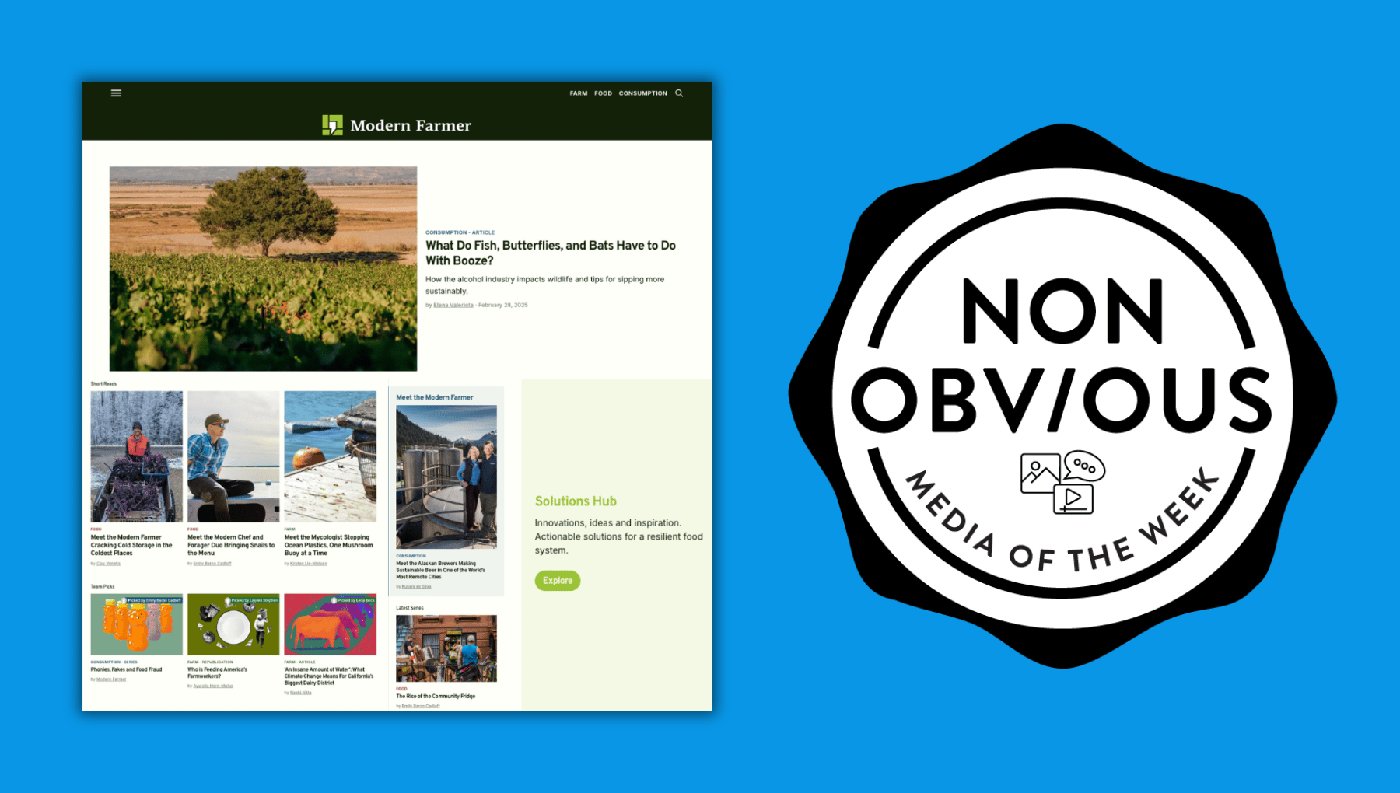 Modern Farmer
Book Of The Week
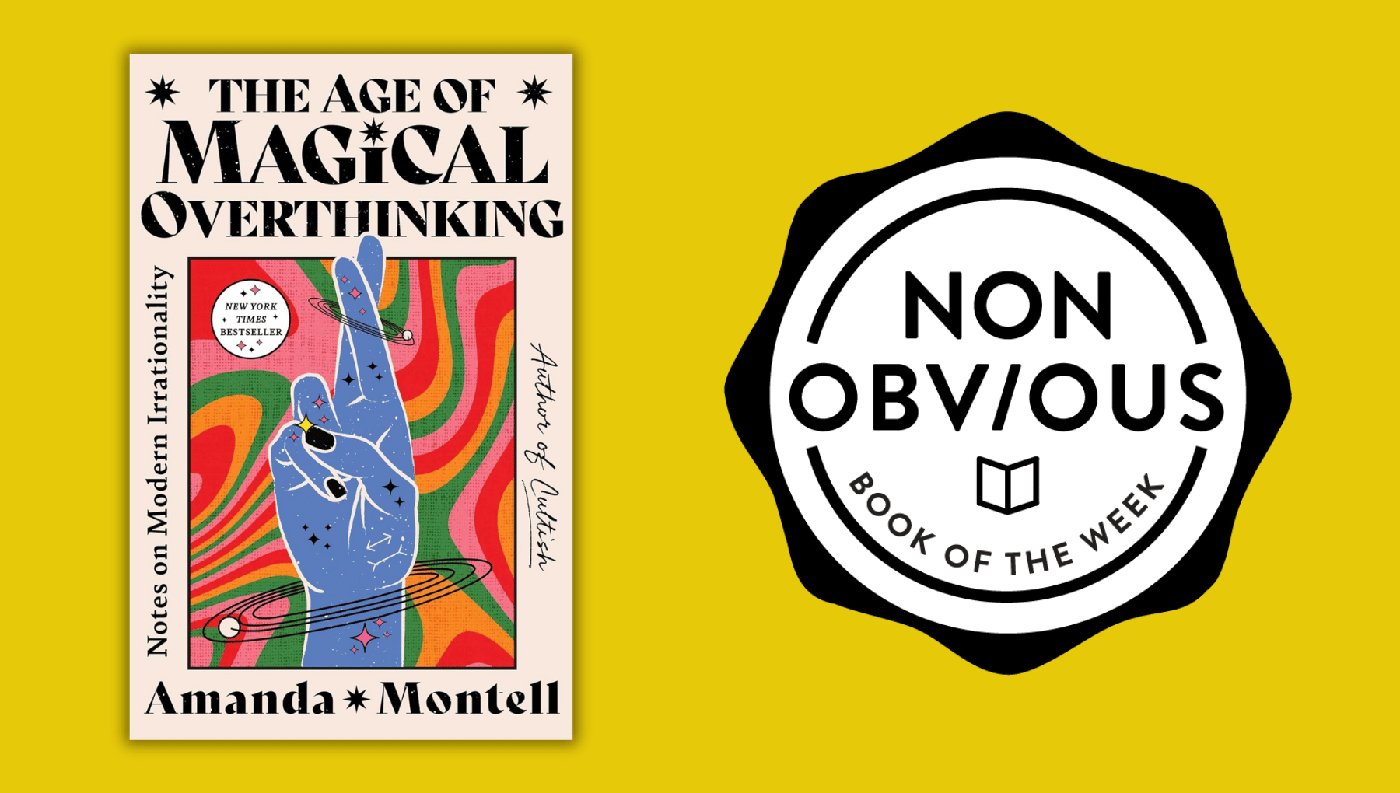 The Age of Magical Overthinking by Amanda Montell
7 Tips For Making Your Website Non-Obvious (and Interesting)
Updating a website is one of my least favorite things to do as an entrepreneur. It just takes so much time. But if you've ever had to do it, you'll understand the moment that I'm having right now. The new www.rohitbhargava.com website just launched and so I really can't help starting this week's newsletter by sharing it with all of you! Aside from spending months just refreshing the design, there are a few non-obvious strategies and guiding principles we used for the content on this new site that may inspire ideas for you the next time you're working on updating or launching a website yourself:
1. Focus on personality - From the photos of me rocking my yellow Non-Obvious glasses to my very visual About page with lots of photos (including a baby pic!) to my quirky "Cauliflower Policy"—one overarching mission of the site is to offer a window into my personality. For a personal brand site, I think this is key.
2. Think like a library - This site has everything someone might want to know about me in one place. We are still working on adding some things, like a page for each of my books and a page for each podcast episode, but the site has more than 2,000 blog posts written over the years as well as links to books, videos, podcast episodes and lots more.
3. Avoid stock photography - Stock photography on a personal or small business site is just plain lazy. Hire a photographer or take some photos yourself. You'll see across my site, every image is personal and customized. I think it makes a difference for how authentic the site feels.
4. Answer the biggest questions - People go to my site for useful "non-obvious" content or as they consider hiring me as a keynote speaker. All the content on the site is tailored to answer the biggest questions these audiences are likely to have—such as what topics I speak about or my latest trend insights/videos.
5. Offer unexpected transparency - How big, exactly, is Rohit's ego? Yes, that's one of several questions from my brutally honest FAQ section at the bottom of my speaking page. I also have a link on that page to see LIVE unfiltered feedback from more than 7000 attendees who have seen me speak at 23 recent events. The goal of all this is to offer a totally truthful look at who I really am and what others share about me.
6. Never compromise utility - There are always people who will visit my site for a specific purpose, like to download my bio+ headshot or to contact me. There's a section of resources for event planners with easy downloads as you scroll down my speaking page. Early feedback on this feature specifically has been amazing. It's their favorite thing about the site.
7. Include easter eggs + surprises - As you scroll down my Speaking page, near the bottom is a section called "Shhhh, This Is What Most Speakers Don't Tell You!" along with a button inviting someone to "DOWNLOAD SECRETS." What they get is a PDF ebook recap of my 25 favorite (and least favorite) things I've seen from past events. It's a bonus piece aimed at event planners, but also meant to demonstrate how I'm a speaker who is constantly thinking about what makes events better.
If you get a chance to have a look at the website, I would love to know what you think about it. Any other non-obvious ideas for me to try or feedback about what you think is working (or isn't) with the site? Any and all feedback would be very much appreciated!
How One Longtime Brand Fan Is Bringing Back the Commodore 64
The Commodore 64 is back! Appealing to grown up geeks and younger technophiles alike, the computer aims to offer a "simpler, distraction-free computing experience" and suggests that a great potential usage is to teach kids BASIC coding and how computers really work while leaning into the brand's heritage and history: Honouring the past. Innovating the future. We've been sleeping for 30 years. Please excuse us. Now we're back, you know we had to start with the best-selling desktop computer of all time. But what about that future? It's loading. In fact we're already working with an industry leading hardware partner to design it.
Though it may seem like a classic April Fool's Day prank, the YouTuber behind it all has been sharing his vision through a series of viral videos describing the moment of buying the Commodore brand, the saga leading up to that moment, and then the launching of this as a "faithful hardware revival" and example of "retro-futurism." Perhaps most energizing about the vision behind this is how the movement was born from the retro community that has kept Commodore alive. In a generously anti-capitalist perspective, the team working on this also share this evolved promise:
We're not here to shut down creators. That wouldn't make any sense at all. If you're making compatible products without using official trademarks, you're free to continue. If you have a YouTube channel with "Commodore" used in the name in an obviously harmless way, as a fan, that's cool too. We get it. #wearecommodore
That's the most intriguing part of this entire thing and a perspective that is very much needed in more situations. Their goal is to bring a piece of nostalgia and tech history to life and save the brand without alienating those who have kept its memory alive for the past 30 years. It's a sadly rare demonstration of how to respect an existing fan community instead of minimizing (or co-opting) their efforts.
The Coming GLP-1 Buying Shift That's Causing Brands To Panic
The big story of GLP-1 medications has routinely been about weight loss, obesity and expanded usages beyond it's original classification as a way to manage diabetes. A key element of how they work is to reduce cravings and impulsive choices when it comes to food. More recent data is starting to emerge that these effects may not only affect the way people buy and consume food. As Retail Prophet founder Doug Stephens puts it:
"You could almost look at the entire consumer market and say that anything that requires restraint, discipline, or willpower is in danger," Stephens said. As more Americans go on the drug, the result "could be nothing short of a tectonic shift in consumer behavior across huge segments of the economy."
If the effect of growing usages of these drugs does start to impact product categories that rely in impulsive behavior, such as in-app purchases or online gambling, those categories may all see downward trends in their revenues. It's a potential future that is already starting to affect some sectors. Consider these bullet points:
- GLP-1s have eroded $6.5 billion in grocery sales to date, according to a new report from Big Chalk Analytics.
- A Cornell University study found GLP-1 patients cut spending by 6% on groceries, 9% on fast food, and 11% on snacks.
- A recent report calculated that if GLP-1-taking passengers lost just 10 pounds each, the average United Airlines flight would be 1,790 pounds lighter and save the carrier $80 million a year.
- Terry Smith—often called "the British Warren Buffett"—is dumping all its stock in Diageo because they believe people will be buying less alcohol due to taking GLP-1s.
All these points raise an important question that all of us may soon need to be asking: how will we promote and market the things we sell in a world where impulsive decision making is far less common?
The Booming Business Of Being A Witch—Selling Spells On Etsy
There was a time when not being a witch was a good survival strategy. Apparently those times have changed. According to a new piece from Chavie Lieber for the WSJ, there are a growing number of metaphysical entrepreneurs (also known as "Etsy Witches") promising services to cast spells for all sorts of things, from good weather on a wedding day to ensuring one sports team dominates another on game day. What's the appeal of witches and who would pay for this sort of service?
Witchcraft and spellwork have become an online cottage industry. Faced with economic uncertainty and vapid dating apps, some people are putting their beliefs—and disposable income—into love spells, career charms and spirit cleansers. [Claire] Ibalio, 21, believes more people her age are willing to gamble on witchcraft for careers, income and love. "Like, we are young, dumb and broke," said Ibalio. "It's out of desperation."
It is perhaps the same sort of appeal as getting a Tarot reading or visiting a fortune teller. The accessibility and how it can be sold as a quick online gig is new. There doesn't seem to be a shortage of people who will give it a shot, "just in case" a spell from a witch might make the difference in romance or gambling success. After all, despite the skeptics, who can say for sure that it doesn't really work?
The Non-Obvious Media Recommendation of the Week
Modern Farmer
For years when I have delivered keynote talks and spoken about my habit of picking up magazines that are not meant for me—Modern Farmer has been one of my go-to examples. Not only because I don't happen to do any farming, but because it's a perfect example of the sort of publication that is specifically meant for a certain industry group or people who have a particular interest area and hardly anyone outside that group will choose to read it. I'm one of the exceptions to this rule, and I suggest you should be too. Even though the media platform has gone through significant flux in the past and no longer publishes a physical magazine, the stories in their excellent weekly newsletter and on their site offer insights on everything from how grazing cattle can prevent wildfires to tips on how to grow sweeter tomatoes with zero irrigation. Not every story will be relevant for you, and maybe none of them will be. But this is the sort of publication that will help you understand what the people who grow our food care about and it's a topic that deserves a lot more attention that most of us usually give it.
The Non-Obvious Book of the Week
The Age of Magical Overthinking by Amanda Montell
Broadly, magical thinking describes the belief that one's internal thoughts can affect external events. Mythologizing the world as an attempt to "make sense" of it is a unique and curious human habit. If you have ever felt like the world is filled with people who are actively deluding themselves into believing whatever they want ... this latest book from Wordslut author and linguist Amanda Montell offers some insight on why that seems to happen so often today and what any of us might do to understand an actively magical thinker, or avoid becoming one ourselves. The antidote may start with her non-obvious recommendation to embrace our commonness and be willing to wonder indefinitely without always seeking an answer:
I think what I really want is to treat life less like a war. Wouldn't we have less imposter syndrome and fewer actual imposters if we just lowered our standards a bit? Modern productivity dogma encourages us to act fast and milk our exceptionalism for all it's worth. Under that kind of pressure, perhaps the truest rebellion is to embrace our ordinariness. In everyday life, if we could not only tolerate the discomfort but wholeheartedly embrace our own lack of expertise, then we might have a far better chance of showing others the same grace.