What’s In This Issue?
 Story 01Netflix Launches “Moments” Feature To Save Your Favorite Movie Scenes
 Story 02The One Marketing Change That Could Help Save Journalism
 Story 033 Fun Examples of Non-Obvious Halloween Creativity To Share
 Story 04Why Are Baseball Players Always Eating Something?
 Story 05The Forgotten Silence of Childless Men
 Story 06The Next 100 Years - A Forecast for the 21st Century by George Friedman
Netflix Launches “Moments” Feature To Save Your Favorite Movie Scenes
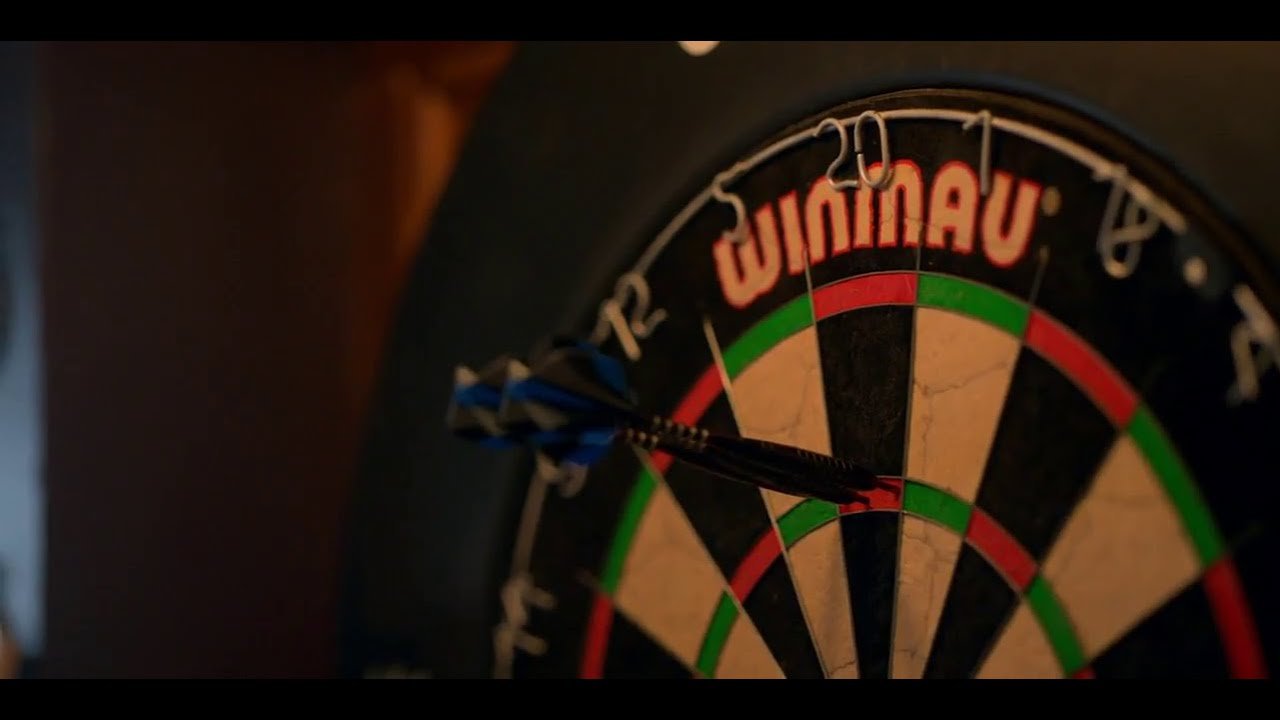
I have probably watched that darts scene from Ted Lasso a dozen times. If you know the show, you probably understand why I would love it. And if you haven't, you need to see it now (you'll still get it even if you haven't seen the show). I'm linking the full video below.
This week Netflix shared the news that they are creating a new feature called "Moments" that lets you save scenes like this that you might want to watch and rewatch. This is absolutely brilliant on many levels. For one, being able to come back to your favorite scenes that stir up specific emotions is a wonderful reason to keep people coming back to Netflix. Using movie or TV scenes to shift your mood, get you charged up or help you deal with a stuff situation is one of the most common things people do on YouTube already - as evidenced by how popular clips of key scenes are.
Being able to save them on Netflix would let you easily return to them on the big screen. On the other side, this gives Netflix yet another data point on what scenes and types of content resonate most for people ... which they can use to make decisions on future programming. It's the rare sort of feature that seems, on the surface, to be a win for everyone. Unless you hate your viewing behavior being tracked, quantified and monetized. In which case, you'll probably need to focus on resurrecting your DVD and VHS collection.
The One Marketing Change That Could Help Save Journalism
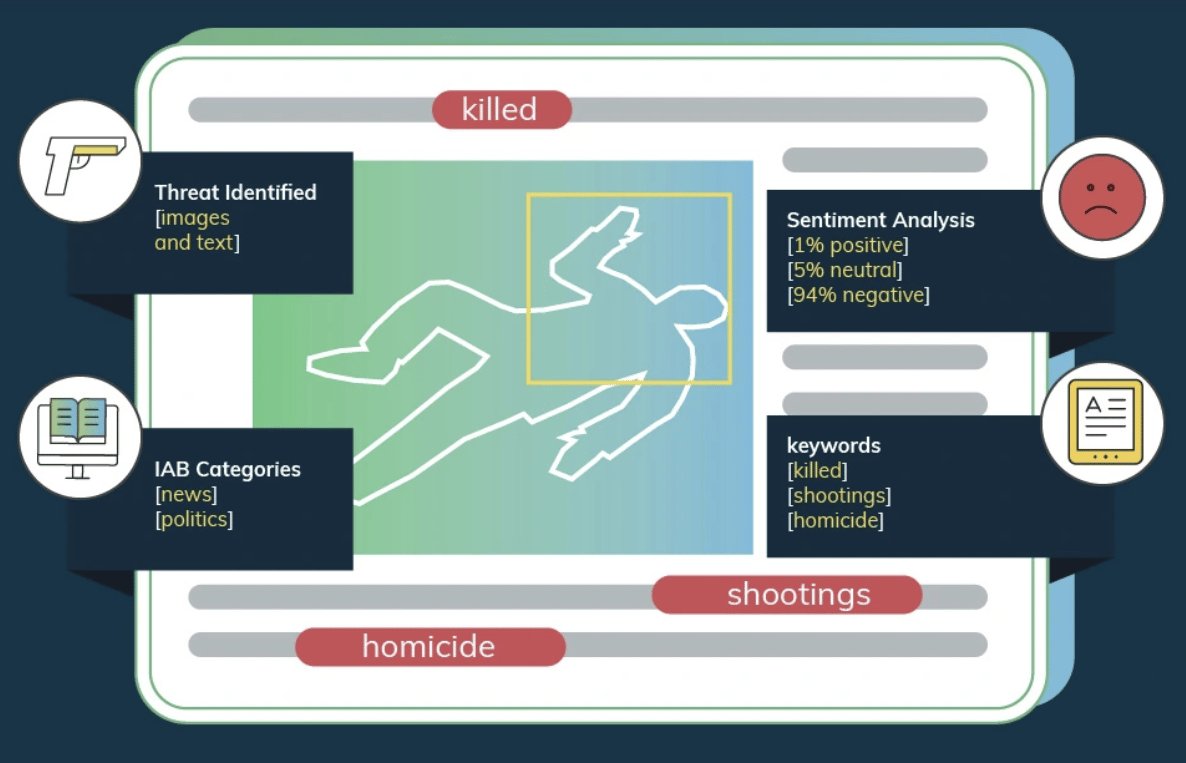
The survival of journalism and a free press largely depends on all of our willingness to fund it. One overlooked element of this issue is how digital marketing is purchased and valued. Consider this eye-opening assessment of how digital marketing and “brand safety tech” works and why these tools that were designed to prevent ads from appearing beside potentially controversial content based on using broad keywords like “shooting” or “drugs” have indiscriminately also created an impossible standard that dramatically reduces the ability of quality news sites to generate revenue from digital ads too. Here’s how the situation was described in the article:
If a click-through rate is your idea of a successful outcome, and your click-through rate is 0.09%, then you have to buy millions and millions of impressions to make it work. The only way to satisfy that need is to spread the ad far and wide, where brand safety technology becomes essential to protect you from the worst of the internet. We’re calling on everyone in the industry to … either scale back their use of brand safety technology on quality publishers or just turn it off completely.
This is a clever solution that deserves more consideration. Why should mainstream news media sites employing trained journalists be algorithmically limited by the same standards that are created for less scrupulous websites? Why not have a "whitelist" equivalent in digital advertising where a specific number of websites are deemed safe and therefore not subject to being run through these brand safety tech filters? Any solution that can bring more ad revenue to support quality journalism deserves to be considered and advocated for. What do you think? Could this help bring more revenue to quality news sites?
3 Fun Examples of Non-Obvious Halloween Creativity To Share
Today is Halloween and a new survey suggests that for nearly half of all Americans, it’s their favorite holiday of the year. Amidst all the candy gathering and costume making, there are a lot of people and brands who use the day as a chance to put some stellar creative ideas out into the world. In honor of that I thought I’d share a few of my favorite examples here.
Josh Sundquist and his viral Halloween costumes …
Since 2010, comedian and motivational speaker Josh Sundquist has been sharing images of his viral Halloween costumes that take advantage of the fact that he only has one leg. I recently had the chance to meet him as we were both headlining an event and he has a powerful personal story. The costumes are just part of it, but he just unveiled this year’s costume and it is yet another winner. Follow @joshsundquist for more.
What do you do with the candy you hate? Back in my day, I would trade it with my brother but now kids have more options like the “Candy Converter” from Reese’s. This campaign from a few years ago when predictably viral because it told a story too. There is no candy that compares to one that has chocolate and peanut butter together … and they bring this “fact” to life by offering kids an option to maximize their Reese’s haul. Or at the very least give them an easy way to get rid of those chalk flavored Smarties.
Boo at the Zoo - An experience from the Bronx Zoo outside New York.
Zoos are sort of the ideal experience to have on Halloween day. Animals are plentiful. There’s plenty of walking and candy gathering opportunities. At night, a zoo can easily feel scary (aided perhaps by the many animal sounds around you). The Bronx Zoo is one of many that are using Halloween as a chance to invite people into an experience (they call it Boo at the Zoo) and to share their space in an unusual and memorable way.
Finally, if you’re looking for some virtual creepiness - consider this compilation of 15 scary virtual experiences including virtual haunted houses and 360 immersive tours inside scary places like the Paris Catacombs that might invoke a bit of actual terror no matter where you’re viewing them from.
Why Are Baseball Players Always Eating Something?
I watched a baseball game last night for the first time in a year. I know that exactly because the last time I sat through a game was the final game of the World Series last year. Ok, it wasn’t actually the whole game … just from the fifth or so inning onwards. The truth is, I generally find baseball way to slow to watch. But the one thing that is hard to miss is how baseball players always seem to be chewing on something.
An article this week from The Atlantic aims to answer this question of why baseball players always seem to be eating. The conclusion, in a nutshell (see what I did there?), seems to be that no one really knows but there are plenty of theories. One is that in the early days of baseball, players would chew tobacco and use the juice to soften their mitts or to throw spitballs. A less disgusting explanation is that chewing sunflower seeds, for example, helps players brains stay “stimulated and occupied, which allows for better sensory perception.” Of course, the source of this “science behind players chewing” story is a company that makes sunflower seeds.
Another explanation is that players chew something “to keep their mouths moist during long games” due to the combination of dirt and clay from the field that swirls around in the air. Yet another possible explanation is that maybe they just need something to do for the long periods of time that they are sitting around waiting for something to happen. Of course, if this last theory really was the reason, then baseball fans should probably be chewing something constantly too.
The Forgotten Silence of Childless Men
At several points over the past few years, I’ve showcased a story about women who make the personal choice not to have children. Usually their stories are ones of personal bravery, confidence and empowerment. This week I came across an article that was one of the first to talk about a more invisible side of this equation: the men who love women who don’t want children.
Sometimes staying childless is a mutual choice. Other times, the man in a relationship can be the one who desperately wants to have children while his partner doesn’t. An article in The Walrus this week was titled “My Husband Wanted to Have a Child. I Didn’t. Here Is How It Went.” The conclusion of the article was relatively unsatisfying:
“I was terrified that Erik and I would one day have a conversation ending with him saying he had given up on fatherhood for me because he loved me. And that he now regretted that decision, but he and I agreed that the way forward was for me to believe him when he said that I was the family he wanted, and that if I didn’t want to become a mother, a life without a child was right for us.”
Will Erik always feel this way? And why don’t we see more articles about those men who do want to be fathers but either haven’t met the right person or end up with someone who isn’t really interested in having kids? We don’t hold much space in the world to understand or engage with men who long to be fathers. Especially as they are challenged to be supportive husbands or partners to the women in their lives who may have already decided they don’t want children.
In the new survey from Pew Research on how Americans view men and masculinity, the research revealed that traditional expectations of men and masculinity continue to persist among more than half of the survey respondents. Fatherhood (or the choice not to become a father) was not covered … which is perhaps the best metaphor for the issue itself. Fatherhood needs to become as fundamental to a conversation about masculinity as motherhood is for women … whether someone chooses to have children or not.
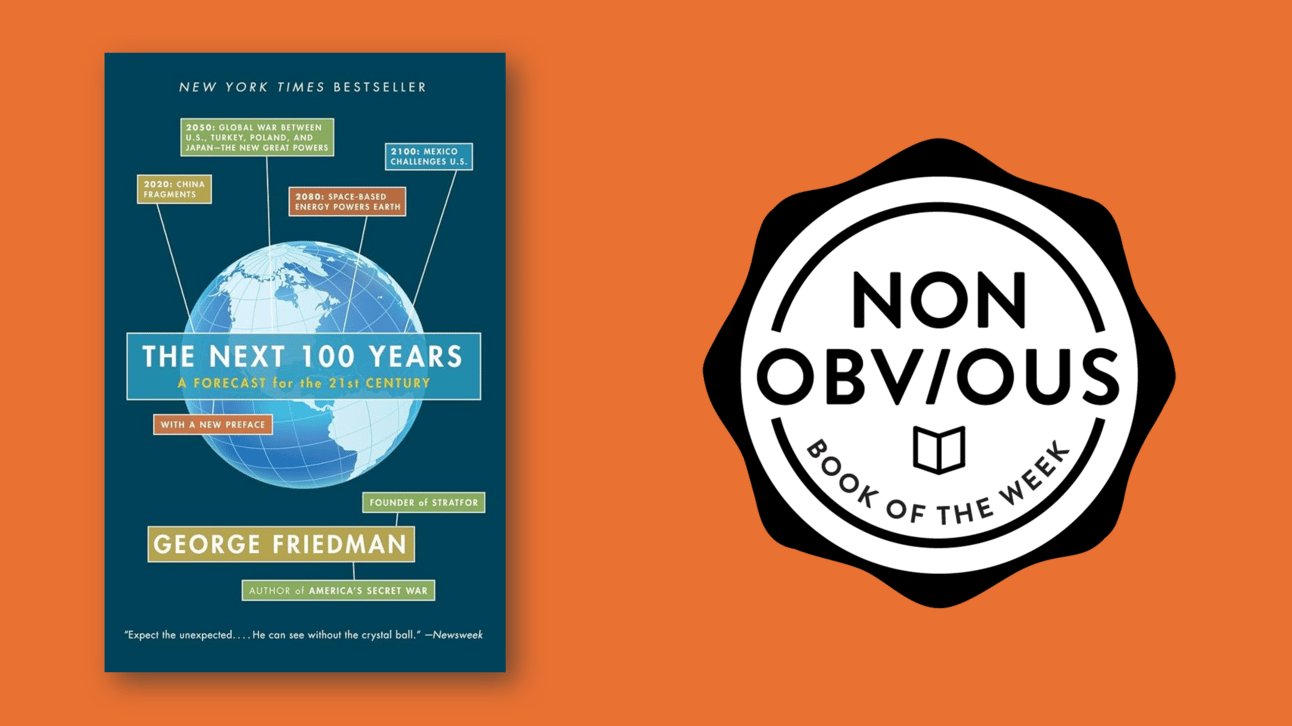
The Next 100 Years - A Forecast for the 21st Century by George Friedman
If the upcoming U.S. Presidential election and potential ensuing backlash and chaos has you up at night, this book might offer a helpful reminder that everything happens on a much longer timescale than we sometimes feel as we live through history. In the book, renowned futurist and geopolitical expert George Friedman paints a picture of what the next 100 years of our world might look like. From predicting that Poland will become a global superpower to the rise of Mexico, it’s a sobering and fascinating read that blurs the line between science fiction and future reality. Of course, anything that promises to predict the next 100 years is going to include a wild amount of speculation … but the imagined future Friedman shares offers an interesting lens through which to view the world. At its core, even though the book is almost 15 years old, it reminds all of us that no matter how important the now seems to us (because we are in it) … there’s always a longer time scale to consider. In other words, whatever happens next week too will pass.